Pakistan outspun Australia in 1,000th ODI after Minhas’ record debut haul
Updated 13 hours ago

The PSL dilemma every player and franchise faces ahead of the anticipated auction
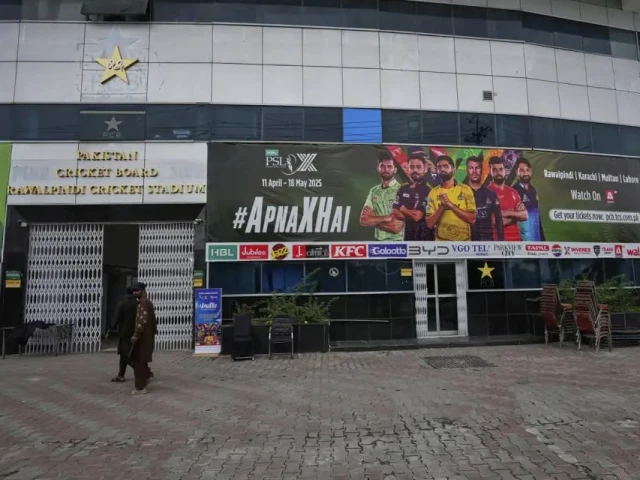
A few years ago…
“Sir, great injustice is being done to me. My performance in domestic cricket is good, yet no one is ready to pick me for the PSL. They all prefer big names. Please, just give me one chance I won’t disappoint you.”
“Sir, I’ll be forever grateful to you. Please take me into your team. My circumstances are very bad.”
“Brother, this kid is really good. Keep him in the team. I’m telling you when he plays, he’ll be amazing.”
“I saw this boy in the trials. If you work on him, he can become a big player. Let’s include him.”
Current scenes
“Look sir, another team is offering me more money. If you can pay me more, I’ll stay. Otherwise, goodbye.”
A cricketer arrived at a meeting in an 8-million-rupee car, placed his expensive iPhone on the table, and said to the team official:
“Sir, I have to run my household too. You know how expensive things are these days it’s hard to even buy groceries. If you can pay this much, fine; otherwise, no problem I’ll talk to someone else.”
“Yes, it’s true that I got into the league because of you, but that doesn’t mean I’ll always stay in the same team. Our careers are short I have to think about myself. The other franchise is paying me more than you can offer, so please don’t retain me and let me go.”
One side of the story
When the PSL started, Pakistani cricketers’ fortunes began to change. Earlier, they used to envy the foreign players who earned big money in the IPL. But once our own league began, Pakistani players too started receiving handsome payments.
Only 11 players can play in the national team, but hundreds of players saw their lives transformed through the PSL. Many got opportunities to play international cricket due to their good performances.
Some players were literally picked from trials and turned into stars overnight. Their franchises helped them secure contracts in foreign leagues as well. Players began earning well by Pakistani standards and their lifestyles changed. Team officials took good care of them, so some players became deeply attached to their franchises.
Those who had faded into obscurity managed to revive their careers through the league.
However, with the introduction of the auction system and two new franchises, the balance has shifted. Now, with only four retentions per team and one player per category, franchises are forced to release their old players.
But the biggest shock for team owners is that even the players they discovered and turned into stars are now showing arrogance. Many so-called “loyal” players want to be released from their teams.
Those who once praised their franchise day and night now suddenly find fault with it. I spoke to senior officials of four teams all complained about the same thing.
Of course, everyone has the right to earn money, but until last year, these very players used to call their team a “family.” Now that they see better offers, they are ready to abandon it.
These players belong to no one. Even if a friend invites them to inaugurate a shop, the first thing they ask is, “How much will you pay?”
When no one cared about them, why didn’t they say, “I’m getting another offer, I’ll leave”? When they were begging team officials for a contract, where were all these “other offers”?
Today, loyalty too can be bought with money. Everyone has a price offer the right amount and the deal is yours.
In the past, it was different some players rejected multimillion-rupee offers to stay loyal to their teams, like Sarfaraz Ahmed once did.
Yes, earning more is everyone’s right, but there are proper ways to talk to your team about it. Blackmailing isn’t one of them.
Even junior players’ agents now openly demand huge sums: “He’ll only play for this much; otherwise, sign someone else.”
Now that the auction model has let the genie out of the bottle, it won’t be easy to put it back in. But this attitude will last only until auction day. New teams can’t sign 50 players, and their budgets are limited. Those left out will come back down to earth.
And if those who switched teams for big money fail to perform, they’ll have to face the consequences.
As for the top stars it won’t affect them. They have so much wealth that even if someone runs away with millions, it doesn’t matter. They don’t file complaints because then they’d have to explain where the money came from and whether they paid taxes on it.
The ones who’ll truly suffer are the other players.
The other side of the story
Everyone has the right to earn money. In every profession including the media, people switch jobs when they get better offers. So why shouldn’t cricketers?
Their careers are short; they should earn as much as they can while they can. Later, no one remembers them , out of sight, out of mind.
T20 cricket can make someone a hero overnight, but it can also turn them into a zero just as fast. When you’re at your peak, you should cash in.
Just because a player has represented a team for a few years doesn’t make that team his property. He has every right to think about his own future. Everyone has a family to look after.
With time, people grow and progress. If someone who once traveled by bus now drives an SUV, that’s his success not something to mock.
Instead of ridiculing them, acknowledge their hard work. If someone gets a big offer, either match it or let them go. Don’t use emotional blackmail.
Leagues evolve over time. PSL too must change, or it will fall behind. The auction model is a good step it benefits players and helps franchises as well.
Limiting retentions is also a wise move; otherwise, the league’s competitiveness would disappear and the new teams wouldn’t find enough talent.
The decision is yours
I’ve presented both sides of the story. Everyone will see it from their own perspective.
The ongoing debate is: “Money or Loyalty?”
What do you think is right?
We only hope that the league continues to grow without hurting either the franchises or the players.














This material may not be published, broadcast, rewritten, redistributed or derived from. Unless otherwise stated, all content is copyrighted © 2026 The Express Tribune.






COMMENTS
Comments are moderated and generally will be posted if they are on-topic and not abusive.
For more information, please see our Comments FAQ