PMD forecasts below-normal rainfall, above-normal temperatures across country through August
Updated 3 hours ago

More than 3,400 dog bite cases registered in the city so far in January
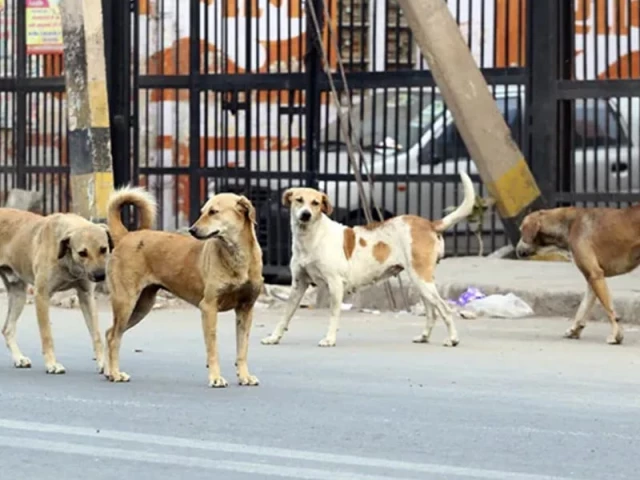
Karachi has reported its first rabies-related death of the year, amid a sharp rise in stray dog bite cases. Medical experts have termed it an alarming situation as well as mounting pressure on the province's healthcare system and health budget.
The victim, an eight-year-old girl hailing from Jhol town in Sanghar district, was attacked by a stray dog around six weeks ago. Due to the absence of timely and complete treatment at various government hospitals, she developed rabies symptoms, including fear of water and air. She was later shifted to Indus Hospital in Korangi area where she succumbed to the disease.
Hospitals across Karachi have reported an alarming increase in dog-bite cases this year. According to available data, Indus Hospital has treated around 1,500 cases, Jinnah Postgraduate Medical Centre 800, Civil Hospital over 400, Qatar Hospital more than 500, Sindh Government Liaquatabad Hospital 128, Liaquat National Hospital 10, and Sindh Government New Karachi Hospital 50 cases.
Overall, more than 3,438 dog-bite cases have been reported in the city so far in January. Last year, 20 rabies-related deaths were reported at two major government hospitals in Karachi.
Read More: City sees alarming rise in rabies deaths
Speaking to The Express Tribune, Sindh Government Qatar Hospital Medical Superintendent Dr Rashid Khanzada said the hospital's Rabies Prevention Clinic receives two types of patients daily - new cases and follow-ups - with total daily registrations exceeding 100, including 30 to 40 new cases.
He said, so far this year, 1,610 patients have been reported at the hospital, including 568 new cases. Sharing vaccination data, Dr Khanzada said 7,903 doses of anti-rabies vaccine (ARV) were administered during the fiscal year 2023, which rose to 12,709 doses in FY2024 and 17,157 doses in FY2025. In the first six months of FY2026 alone, 8,809 doses have already been administered, with the figure feared to reach 17,000 to 18,000 by year-end.
Dr Khanzada noted that each dose of anti-rabies vaccine costs between Rs1,200 and Rs1,800, in addition to expenses for painkillers, antibiotics, dressings and ADS injections. He said Rs25.7 million was spent on ARV vaccines alone during FY2025, adding significant strain to the health budget. "If this is the situation of one hospital, the total expenditure across Sindh can easily be imagined," he said, adding that these funds could otherwise be used for routine patients.
Warning that dog-bite cases are increasing every year, Dr Khanzada stressed that rabies cannot be controlled without reducing the stray dog population and taking effective measures. "Once rabies symptoms appear, no patient has survived anywhere in the world to date," he specifically mentioned.
He advised the public to immediately wash dog-bite wounds thoroughly with soap and clean water for 15 to 20 minutes, sterilise the wound, avoid stitches and airtight dressings, and seek immediate medical care.
Also Read: 12-year-old dies of rabies in Karachi despite vaccination
Explaining treatment options, he said, if a dog is confirmed rabid, immunoglobulin is injected around the wound, with half a dose administered in the patient's arm, along with the anti-rabies vaccine.
While the vaccine becomes effective after 14 days, immunoglobulin provides immediate antibodies to fight the virus. Wounds closer to the brain require more urgent and aggressive treatment, he added, noting that children often suffer facial bites, increasing the risk of the virus reaching the brain.
Common rabies symptoms include high fever, nausea, vomiting, drowsiness, and fear of water and air, with patients experiencing extreme distress. Dr Khanzada also warned against dangerous home remedies still practiced in parts of interior Sindh, such as applying chillies or tying coins to wounds. He stressed the need for widespread public awareness about rabies prevention.
Meanwhile, residents of various localities have complained of a sharp increase in stray dogs in residential areas, alleging that concerned authorities have failed to take effective action. Citizens say dogs often relocated to distant areas return to the same neighbourhoods within days.














This material may not be published, broadcast, rewritten, redistributed or derived from. Unless otherwise stated, all content is copyrighted © 2026 The Express Tribune.






COMMENTS
Comments are moderated and generally will be posted if they are on-topic and not abusive.
For more information, please see our Comments FAQ