Pakistan played 'very sincere role' in US-Iran mediation: PM Shehbaz
Updated 2 hours ago

Risk to students increases in cold weather, according to official assessment
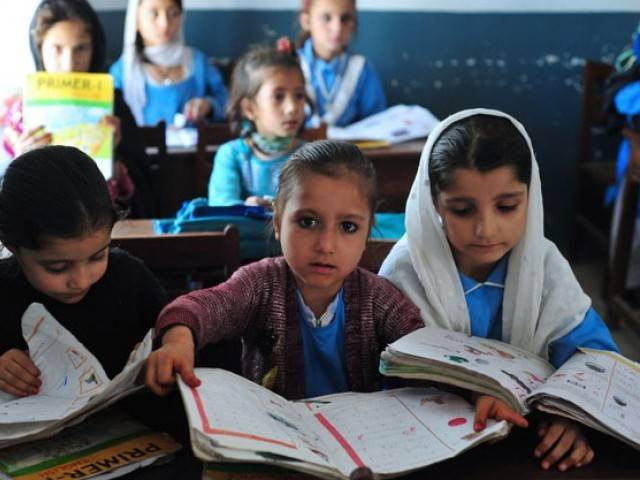
Thousands of students across Punjab continue to attend classes in structurally unsafe school buildings despite repeated warnings from officials, audit reports and education experts, raising concerns about student safety as cold weather intensifies across the province.
According to official assessments, a significant number of government schools are operating in buildings declared either dangerous or in urgent need of major repairs. Education department sources say nearly one-quarter of surveyed schools across Punjab require immediate attention due to weakened structures, cracked walls, damaged roofs and poor foundations, many of which have worsened over time due to neglect and extreme weather exposure.
Sources said internal reports had revealed that hundreds of school buildings have been classified as "dangerous," while several hundred more need urgent repair and reinforcement to prevent potential disasters. Despite these findings, classes continue in most of these institutions, exposing students and teachers to daily risks.
Officials familiar with the matter say that inspections conducted in different districts had identified structures built decades ago without modern safety standards. Many of these buildings show visible signs of decay, including collapsing plaster, water seepage, unstable ceilings and broken boundary walls.
The situation becomes more alarming during winter, when cold temperatures, rain and fog weaken already fragile infrastructure. In several areas, students are forced to sit in poorly ventilated classrooms with broken windows and damp walls, increasing the risk of respiratory illnesses, flu, pneumonia and other cold-related health complications after the reopening of schools in the coming week.
"Cold winds enter classrooms through broken doors and windows and children sit for hours without proper heating arrangements," said a government schoolteacher requesting anonymity. "At the same time the roofs above them are unsafe."
Medical professionals warn that prolonged exposure to cold and damp environments can affect children's health. Children attending unsafe and poorly maintained schools are more likely to suffer from chest infections, asthma, joint pain and weakened immunity during winter.
Education department officials acknowledge the problem but cite budgetary constraints and administrative delays. The sources say that while repair and rehabilitation proposals have been submitted to higher authorities, progress remains slow. In many cases, repair work is delayed due to lengthy approval processes, tendering issues, or lack of allocated funds.
Audit observations have also highlighted gaps in monitoring and accountability. In several districts, schools marked as dangerous years ago were not vacated or reconstructed. Instead, temporary arrangements remained insufficient to relocate students to safe locations.
Teachers point out that continuing academic activities in unsafe buildings could expose authorities to liability in case of any untoward incident.
The cold weather also affects school attendance. Parents in rural areas say they are reluctant to send children to schools where classrooms are unsafe and cold.
Officials say the provincial government is considering a phased plan to address the issue, focusing first on the most dangerous structures.
"Funds for repairing the damaged buildings had already been issued to authorities in all districts and in this regard instructions were also sent to all district education CEOs to complete the work on damaged buildings within three months.









This material may not be published, broadcast, rewritten, redistributed or derived from. Unless otherwise stated, all content is copyrighted © 2026 The Express Tribune.












COMMENTS
Comments are moderated and generally will be posted if they are on-topic and not abusive.
For more information, please see our Comments FAQ