Suspect dies after trading gunfire with officers near White House, Secret Service says
Updated 3 hours ago

Israel’s Defence Ministry predicts the figure could rise by 180% by 2028
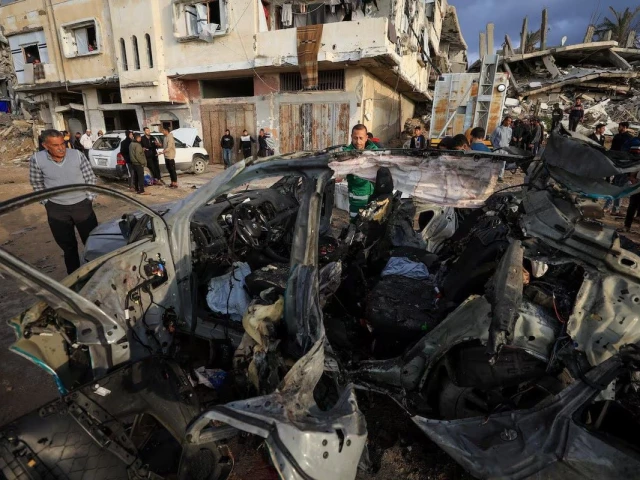
Israel is grappling with a dramatic increase in post-traumatic stress disorder and suicide among its troops after its devastating two-year assault on Gaza.
Recent reports from the Defence Ministry and health providers detail the military’s growing mental health crisis, as fighting continues in Gaza and Lebanon and tensions rise with Iran.
The Gaza conflict quickly expanded into cross-border fire between Israel and Lebanon’s Hezbollah, deploying hundreds of thousands of soldiers and reservists across both fronts in some of the heaviest fighting in the country’s history.
Israeli forces have killed more than 71,000 Palestinians in Gaza and 4,400 in southern Lebanon, according to Gazan and Lebanese officials. Israel says more than 1,100 of its service members have been killed since October 7, 2023.
Read: Two years on: Israel, Hamas begin indirect talks to end Gaza war
The fighting has left much of Gaza destroyed, with two million residents lacking adequate shelter, food, or medical care. Palestinian mental health specialists say Gazans are suffering from a “volcano” of psychological trauma, with large numbers seeking treatment, and children showing symptoms such as night terrors and an inability to focus.
PTSD cases among Israeli soldiers up 40%
Studies show the fighting has taken a heavy toll on the mental health of soldiers carrying out Israel’s objectives of eliminating Hamas, retrieving hostages in Gaza, and disarming Hezbollah. Some soldiers who faced attacks when Hamas invaded their bases are also struggling.
Israel’s Defence Ministry reports a nearly 40% increase in PTSD cases among soldiers since September 2023, predicting the figure could rise by 180% by 2028. Of the 22,300 troops receiving treatment for conflict-related injuries, 60% suffer from post-traumatic stress.
The military has expanded mental health services, increased its budget and reported a roughly 50% rise in alternative treatment use. Maccabi, the country’s second-largest healthcare provider, said 39% of Israeli military personnel under its care sought mental health support in 2025, while 26% reported symptoms of depression.
Several organisations, including the NGO HaGal Sheli, which uses surfing as therapy, have treated hundreds of soldiers and reservists suffering from PTSD. Some former soldiers use therapy dogs to cope.
Moral injury over deaths of innocents
Ronen Sidi, a clinical psychologist at Emek Medical Center in northern Israel, said soldiers grapple with two primary sources of trauma. The first stems from “deep experiences of fear” and being afraid to die while deployed in Gaza and Lebanon, and even at home in Israel. Many witnessed the Hamas assault on southern Israel, including the abduction of around 250 hostages.
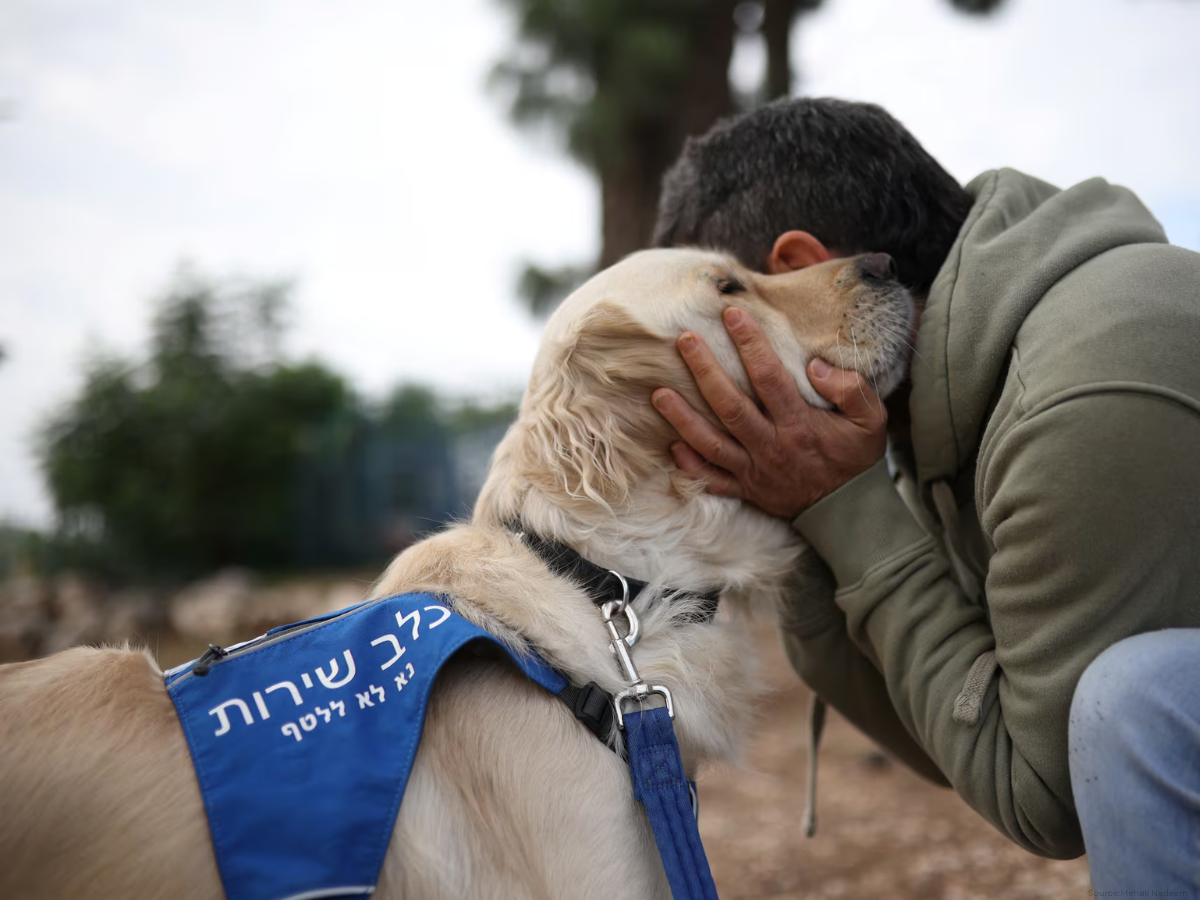
A former soldier being treated for PTSD at the Combat Veterans Psychedelic Research Clinic at Emek Medical Centre, embraces his service dog, in Afula, Israel December 15, 2025. Reuters
The second source comes from moral injury — the psychological damage from actions that violate one’s moral code. Sidi explained, “A lot of split-second decisions are correct, but some are not, and when women and children are injured or killed by accident, living with the feeling that you have harmed innocent people is extremely difficult and irreversible.”
Read More: Over 100 children killed in Gaza since ceasefire, UNICEF says
One reservist, Paul, 28, said he had to leave his job as a project manager because “the whistles of the bullets” lingered with him even after returning home. He deployed in Gaza, Lebanon, and Syria and described living in a constant state of alert.
Untreated trauma
Soldiers seeking state mental health support must undergo an evaluation by the Defence Ministry, which can take months and deter some from seeking help. The ministry provides some immediate care once the process begins and has expanded these efforts since the conflict started.
A parliamentary committee found 279 soldiers attempted suicide between January 2024 and July 2025, a sharp increase from previous years. Combat soldiers accounted for 78% of these cases in 2024. Sidi warned that untreated trauma increases the risk of suicide or self-harm.
“After October 7, mental health institutions are overwhelmed, and many either cannot access therapy or do not recognise that their distress is linked to their experiences,” he said.
Ongoing threats
The chance of seeing combat remains high. Israeli forces are still deployed in over half of Gaza, with fighting continuing despite a US-backed truce in October 2025, which left more than 440 Palestinians and three Israeli soldiers dead.
Troops also remain in southern Lebanon as the Lebanese army works to disarm Hezbollah under a separate US-brokered deal. In Syria, Israeli forces occupy an expanded section of the south following the ouster of former leader Bashar al-Assad.
As tensions with Iran rise, and with the US signalling possible intervention, Israel faces the risk of further violent confrontations.








This material may not be published, broadcast, rewritten, redistributed or derived from. Unless otherwise stated, all content is copyrighted © 2026 The Express Tribune.










COMMENTS
Comments are moderated and generally will be posted if they are on-topic and not abusive.
For more information, please see our Comments FAQ