FinMin says Pakistan regaining macroeconomic stability, investor confidence
Updated 3 hours ago

ICMA suggests digital stock monitoring, targeted subsidies, hybrid pricing
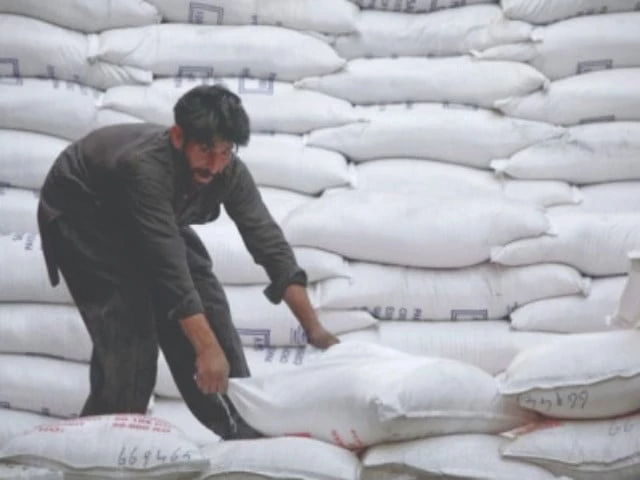
Pakistan's plan to fully deregulate its sugar sector after nearly eight decades of state control has entered a decisive phase, with the Institute of Cost and Management Accountants of Pakistan (ICMA) cautioning that market freedom without strong oversight could deepen long-standing problems instead of resolving them.
In a detailed policy report, ICMA has proposed a gradual and closely monitored deregulation framework at a time when the government, under pressure from the International Monetary Fund (IMF), is seeking to reduce price controls, fiscal subsidies and ad hoc interventions in politically sensitive sectors.
The sugar sector has long been one of Pakistan's most controversial yet important sectors, sitting at the intersection of agriculture, food security and politics. The country produces between 6 and 7 million tonnes of sugar annually, depending on the cane crop, while domestic consumption is estimated at around 5.5 to 6 million tonnes. Despite this apparent balance, Pakistan has repeatedly faced sharp price spikes, sudden shortages and controversial decisions to export sugar, only to allow imports months later at higher prices. These cycles have been costly for consumers and the exchequer and have frequently drawn the attention of regulators and parliamentary committees.
According to ICMA, Pakistan's domestic sugar prices have remained significantly higher than global benchmarks for extended periods, reflecting structural distortions rather than genuine shortages. The report notes that cartelisation, weak stock reporting, delayed payments to farmers and politically influenced trade decisions have undermined trust in the market. While the government now plans to let demand and supply determine prices, the report argues that deregulation alone will not automatically dismantle entrenched market power or prevent manipulation.
The push for reform is closely linked to Pakistan's ongoing IMF programme, which emphasises market-based pricing, reduced subsidies and improved governance. Recent government announcements indicate that long-standing restrictions on new sugar mills may be lifted, price-setting mechanisms rolled back and exports and imports liberalised. Officials see deregulation as a way to attract private investment, improve efficiency and align Pakistan with global practices. However, the report stresses that international experience shows deregulation works best when supported by strong institutions. It recommends the creation of a national digital stock monitoring system to track sugar production and inventories in real time, allowing authorities to detect artificial shortages early and trigger rule-based import or export decisions. Without transparent and verifiable data, the report warns, powerful players could continue to exploit information gaps.
Farmer protection is another major concern highlighted in the study. In past seasons, growers have complained of delayed payments running into billions of rupees, despite official support prices for sugarcane. The report proposes enforceable payment timelines backed by escrow accounts or bank guarantees to ensure that farmers are paid on time in a deregulated environment. It also suggests a hybrid cane pricing model that reflects regional production costs while linking part of farmers' returns to market outcomes, as seen in countries such as Brazil and India.
The report also addresses the political economy of the sector, noting that the abrupt withdrawal of subsidies or controls could disproportionately hurt small farmers and smaller mills, while larger, well-connected players consolidate their dominance. To manage this transition, the report supports phasing out blanket subsidies and replacing them with targeted, time-bound support for vulnerable stakeholders, alongside stricter competition enforcement.
Industry reactions have been mixed in recent months. Representatives of sugar millers have publicly welcomed deregulation in principle, arguing that excessive government intervention has created uncertainty and discouraged investment. At the same time, they have cautioned that policy consistency is essential, particularly in decisions related to exports, energy costs and taxation, to avoid repeating past boom-and-bust cycles.
ICMA concludes that Pakistan stands at a critical juncture. Deregulating the sugar sector could improve efficiency and reduce fiscal pressure, but only if accompanied by credible oversight, transparent data systems and effective enforcement. Otherwise, the report warns, consumers may continue to face high prices, farmers insecure incomes and the government recurring crises in one of the country's most sensitive food markets.










This material may not be published, broadcast, rewritten, redistributed or derived from. Unless otherwise stated, all content is copyrighted © 2026 The Express Tribune.






COMMENTS
Comments are moderated and generally will be posted if they are on-topic and not abusive.
For more information, please see our Comments FAQ