Port Qasim to get 400-acre industrial estate
Updated 3 hours ago

WoW reading increases 0.12%; wheat flour and gas charges drive spike
The Sensitive Price Indicator (SPI) for the week ended January 8, 2026 increased by 3.20% year-on-year (YoY), underscoring the continued pressure on household budgets, amid persistent food and energy inflation.
The SPI, which tracks weekly price movements of 51 essential commodities across 50 markets in 17 cities, is a key gauge of short-term inflationary trends.
On a week-on-week (WoW) basis, the SPI rose by 0.12%, reflecting broad-based price increases across consumption quintiles. The WoW inflation was marginally higher for lower- and middle-income groups: Quintile 1 (0.12%), Q2 (0.13%), Q3 (0.13%) and Q4 (0.13%), while the highest-income quintile – Q5 – saw a slightly lower inflation growth of 0.11%.
On a YoY basis, the inflationary pressure was most pronounced for Q2 (3.65%) and Q3 (3.43%), indicating the disproportionate stress on lower-middle and middle-income households, compared to Q1 (2.42%) and Q5 (2.58%).
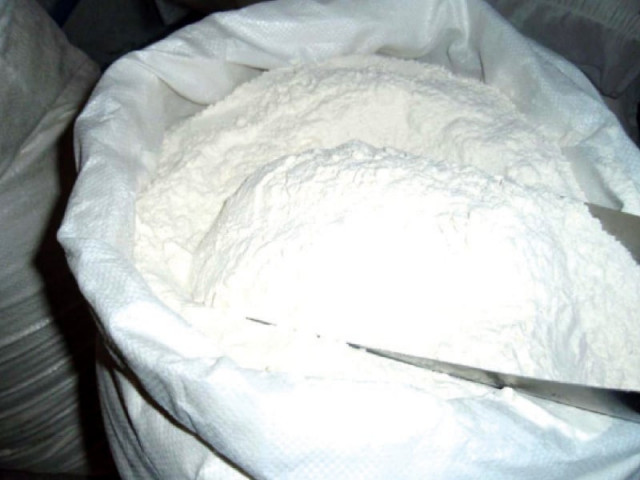
The weekly uptick was driven primarily by sharp increases in staple food items and utilities. Wheat flour surged by 5.07%, emerging as the largest contributor to the weekly inflation, followed by chicken (2.86%), garlic (2.44%) and chilli powder (1.01%).
Energy-related costs also edged higher, with liquefied petroleum gas (LPG) prices rising 0.88%, while processed and consumer items such as prepared tea (0.73%), sugar (0.58%), bread (0.51%) and broken Basmati rice (0.41%) added to household expenses.
In total, prices of 21 items (41.18%) increased during the week under review, eight items (15.68%) declined and 22 items (43.14%) remained unchanged, reflecting mixed but inflationary-biased dynamics.
Some relief was observed in perishable food prices. Potatoes fell by 3.73%, onions by 2.20%, eggs by 1.44% and pulse gram by 1.51%, while modest declines were recorded in bananas (0.21%) and tomatoes (0.05%). However, these decreases were insufficient to offset the impact of rising staple and utility costs.
On an annual basis, the increase of 3.20% in the SPI was led by steep gains in wheat flour (31.12%) and gas charges for Q1 (29.85%), highlighting structural cost pressures. Other notable increases were recorded in beef (13.15%), chilli powder (11.43%), sugar (11.18%), bananas and firewood (10.57% each), gur (10.50%) and powdered milk (9.51%).
Conversely, significant YoY declines in tomatoes (57.04%), potatoes (48.71%) and onions (41.33%) provided a partial cushion.
The latest SPI data indicates that while short-term price movements remain contained, persistent YoY inflation continues to erode the purchasing power, particularly for vulnerable and middle-income households, keeping cost of living concerns firmly in focus.














This material may not be published, broadcast, rewritten, redistributed or derived from. Unless otherwise stated, all content is copyrighted © 2026 The Express Tribune.







COMMENTS
Comments are moderated and generally will be posted if they are on-topic and not abusive.
For more information, please see our Comments FAQ