Gold prices rise further in local, international markets
Updated 44 minutes ago

PBS flags rise in headline inflation; govt orders steps to curb hoarding and stabilise wheat market
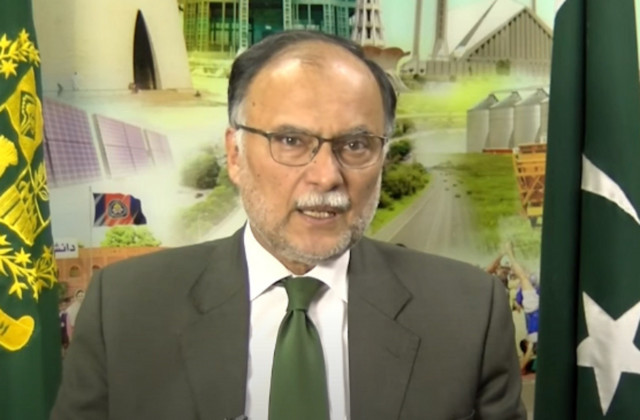
Federal Minister for Planning, Development and Special Initiatives Professor Ahsan Iqbal chaired a meeting of the National Price Monitoring Committee (NPMC) to review inflation trends, the availability of essential commodities and measures to ensure price stability and strengthen food security ahead of Ramazan.
The Pakistan Bureau of Statistics presented an overview of inflation trends, reporting that headline inflation increased from 4.1% in December 2024 to 5.6% in December 2025. Major contributors to year-on-year inflation were higher gas charges, rising gold prices, and increases in the prices of wheat, milk and chicken. In contrast, prices of several commodities, including potatoes, tomatoes, onions, tea, pulses, electricity and stationery, showed a declining trend.
Data from the Decision Support System on Inflation (DSSI) indicated improvements in the price stability of essential food items. A comparison of 2024 and 2025 showed that prices of kitchen staples such as onions and potatoes remained lower, while wheat flour prices for a 20-kilogram bag rose from around Rs1,800 to Rs2,146 over the past year. Overall trends pointed to easing pressure on sensitive price indicators ahead of Ramazan.
The meeting was informed that wheat sowing targets have been achieved and the full seasonal target is expected by February, strengthening domestic food security. Prices of sugar and chicken, which had risen earlier in the year, have declined, with sugar prices falling from over Rs180 per kilogram to around Rs150.
To address structural factors affecting price stability, Ahsan Iqbal directed the Ministry of National Food Security and Research to prepare a detailed study on cold chain infrastructure. He also ordered the preparation of policy working papers on the poultry, dairy and juice sectors to promote value addition and exports, and expressed concern over food quality standards, particularly the use of hard oil in ghee production.
The minister called for an agriculture import substitution report and a national agriculture self-sufficiency working paper to reduce reliance on imports. He also directed a review of supply chains for gram, edible oil, dates and pulses to avoid shortages during Ramazan.











This material may not be published, broadcast, rewritten, redistributed or derived from. Unless otherwise stated, all content is copyrighted © 2026 The Express Tribune.







COMMENTS
Comments are moderated and generally will be posted if they are on-topic and not abusive.
For more information, please see our Comments FAQ