
I love James Cameron and have watched all his films, from The Terminator, which came out more than 40 years ago, to the present day. However, ahead of his latest release — Avatar: Fire and Ash — I was as sceptical as any other fan, because the film’s predecessor wasn’t able to satisfy me, nor others. It seemed more like a lengthy underwater documentary featuring characters from the first Avatar rather than a worthy sequel, and the same scepticism kept returning ahead of the third film in the franchise.
However, after 195 minutes of watching the latest Avatar, I had my answer — it is one of those spectacles on which cinemas thrive across the world. Not only did the director scatter memorable moments throughout the film, but the story also moves forward, unlike Avatar: The Way of Water. It is enjoyable in both 3D and 2D because the story keeps you engrossed, the tension doesn’t let you peek at your watch, and the performances are first-rate. The film also does the franchise a favour: it restores the first movie's lost glory and makes viewers fans of Avatar again, something the second film failed to do.
The Plot
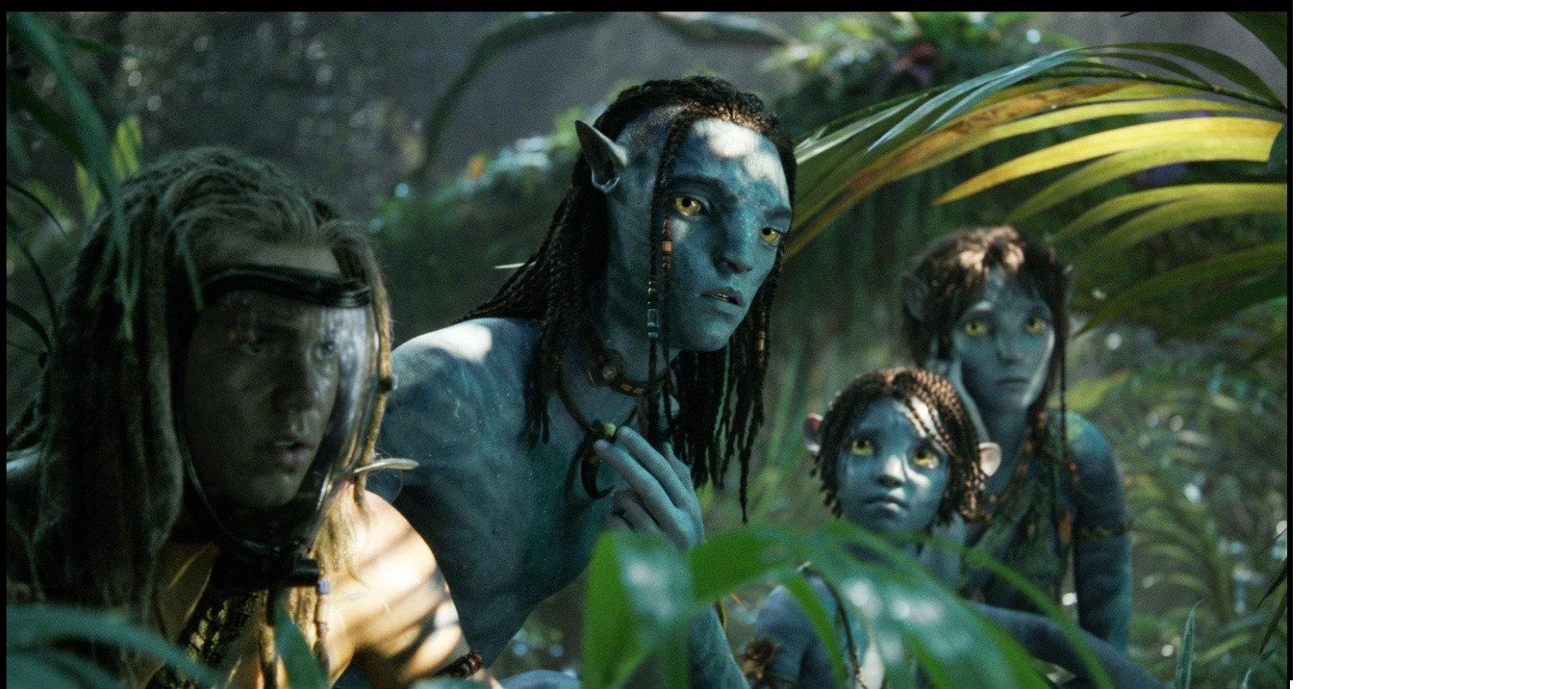
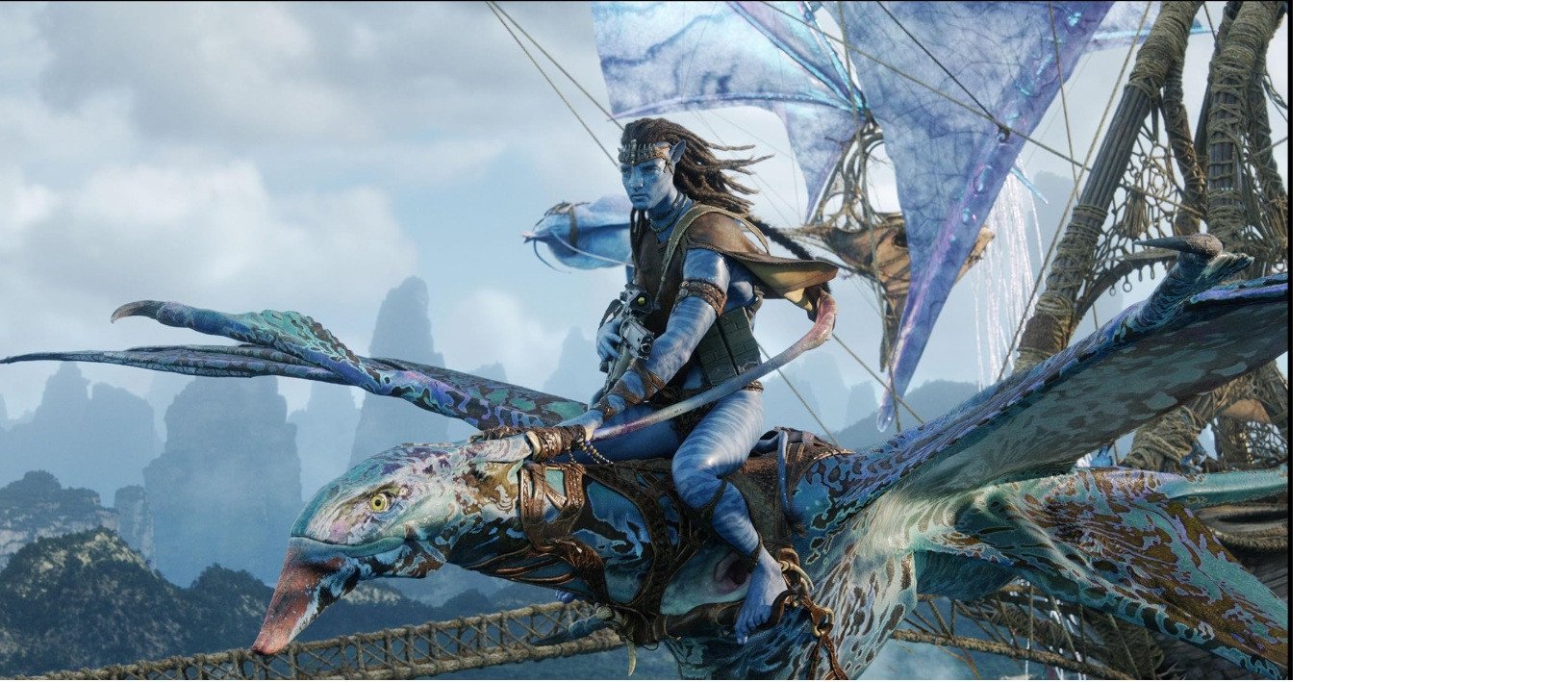
Avatar: Fire and Ash continues to revolve around Jake Sully (Sam Worthington) and his family, who are on the run from Colonel Miles Quaritch (Stephen Lang) and the RDA. Jake’s wife, Neytiri (Zoe Saldaña), is still mourning the loss of their eldest son, Neteyam (Jamie Flatters), which is the reason she continues to hate humans. She makes her feelings clear to Jake and wants their adopted ‘human’ son, Spider (Jack Champion), to go live with his clan, especially since he still needs a rebreather to survive in Pandora’s atmosphere. Therefore, with just one backup battery, they decide to take a vacation of sorts, hitch a ride with the nomadic airborne Tlalim clan, aka the Wind Traders, and drop Spider with other humans.
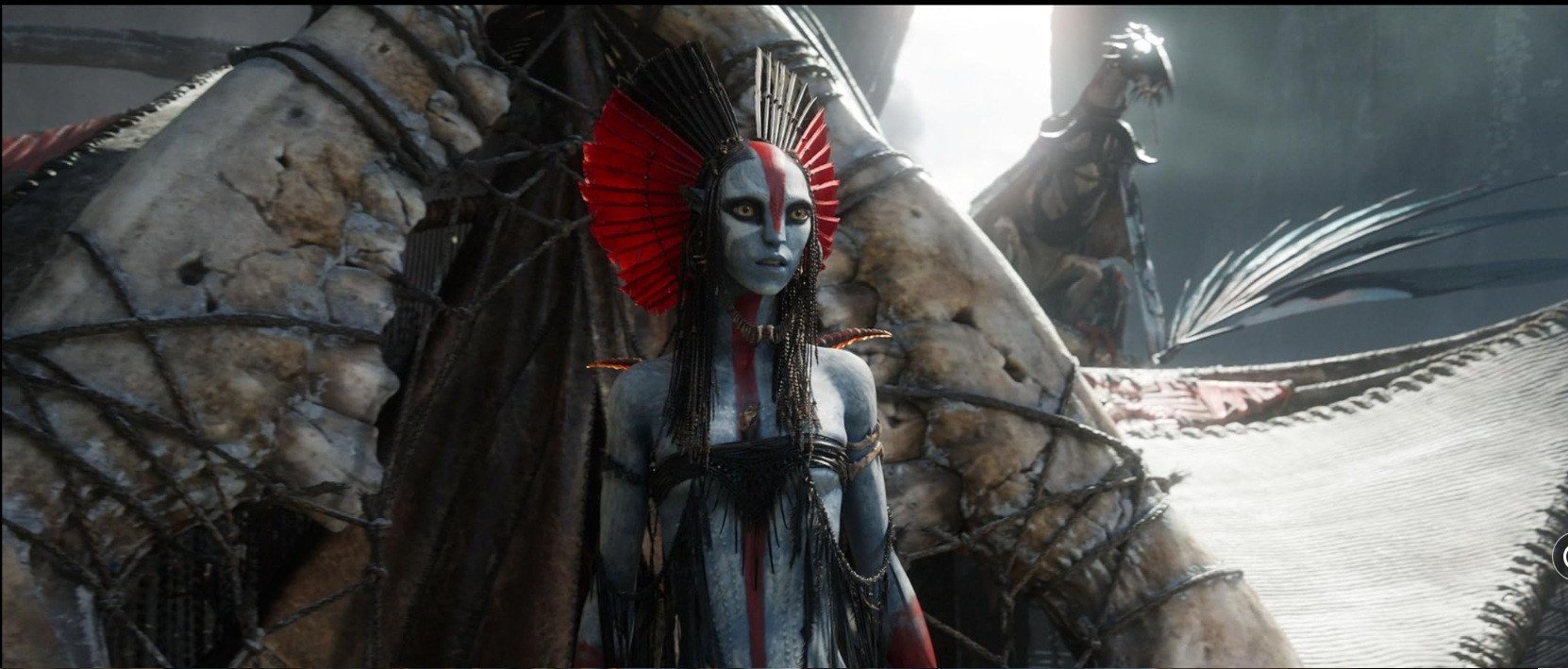
The plan is not just risky for Spider but also for Jake, who is still on the colonel’s hit list, because he was the architect of two losses in the field as well as the adopted father of Quaritch’s son, one who doesn’t want to live with his biological father. Enter the volcano-dwelling, Eywa-rejecting Mangkwan clan, led by Varang (Oona Chaplin), who attack the passing convoy, loot it, and set the ships on fire. The Sullies are separated in the process, with Neytiri getting injured, Jake getting captured, and the kids getting trapped on the ground. However, before the capture, Kiri (Sigourney Weaver) helps Spider connect with Eywa, enabling him to breathe naturally — a fact that surprises both Jake and Quaritch, who rescue the children, but not before Varang discovers guns and understands their importance to her arsenal.
After Neytiri recovers and rescues her family, and the colonel returns to base to explain that Spider might hold the key to humanity’s survival on Pandora, things take a dark turn. Quaritch and Varang join hands in their search for Spider and ammunition, respectively, and capture Jake and Spider – one for revenge and the other for research. Since they have no qualms about breaking Eywa’s laws, the Varang–Quaritch alliance gives the human army a headache as well, because Quaritch’s boss, General Ardmore (Edie Falco), disapproves of the union. But when they complete their mission, she is forced to take a back seat.
What follows is a battle that heightens tension in the air, on land, and in the water, and helps the Sully family understand the importance of staying together. It also sets the stage for another epic battle, which might be coming to a screen near you in a couple of years.
The Good
Everything from the inception of the idea to the final execution in the third Avatar film is near perfect. Considering that James Cameron waited for technological advancements before moving ahead with the sequel shows how far ahead he is of his contemporaries. Yes, the first 45 minutes are way too slow and remind the audience of the last film’s pace, but as soon as the Wind Traders arrive and Jake approves what seems like a foolish plan, the film gains momentum and things start to make sense.
James Cameron must be commended for delivering a film that is nothing short of a visual feast, where non-existent animals look believable, newer Na’vi clans feel authentic, and technology is portrayed as the main villain, aiding humans in colonising other planets. The latest tribe — the Fire Nation — is a treat to watch, as they are unlike any other Na’vi tribe we have witnessed. They are not just ruthless but also reject Eywa, making them more dangerous than any antagonist in the series so far. When their leader Varang meets Quaritch, they hit it off like gasoline and fire, giving Jake’s enemies more strength than ever before.
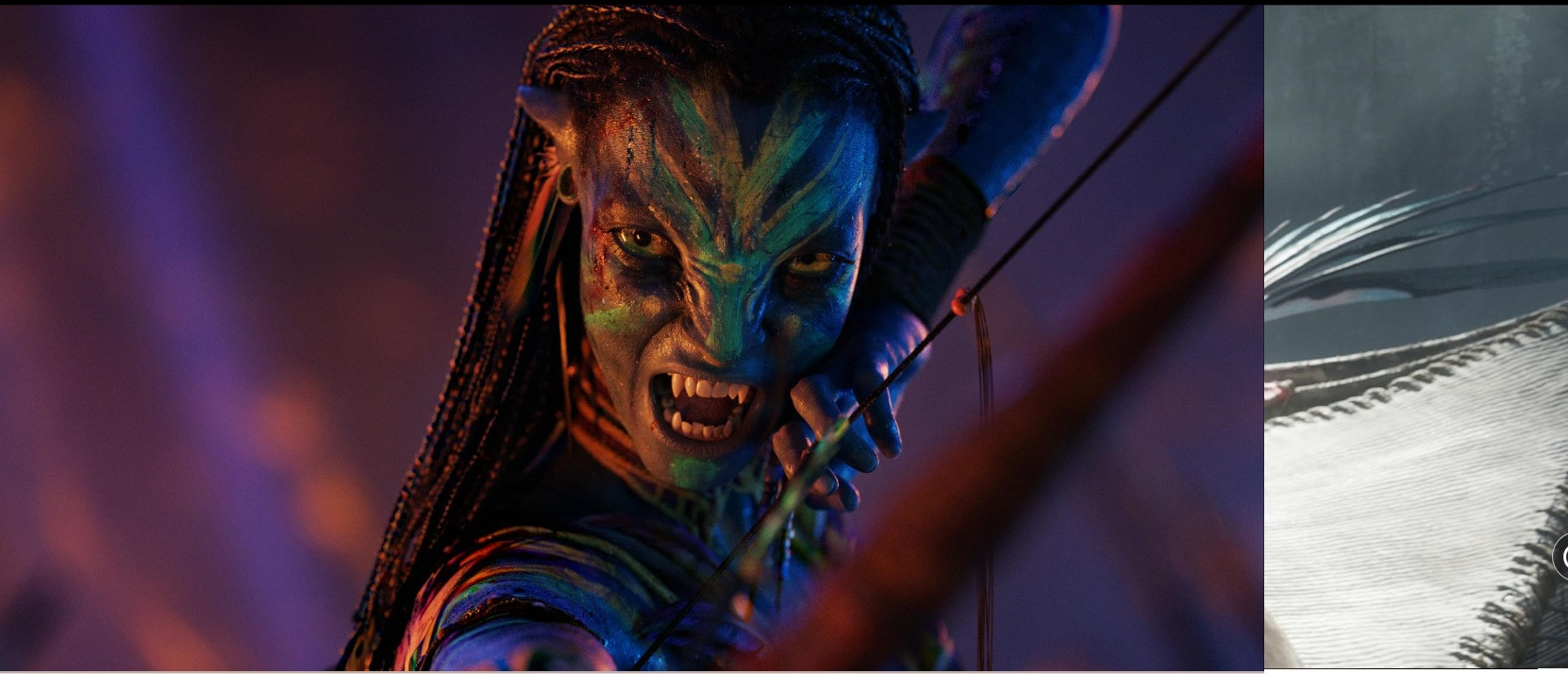
Beyond the brilliance of the filmmaking, the details behind the technological advances are top-notch, and one shouldn’t be surprised if scientists today learn a thing or two from the film. Performance-wise, the film is on par with the original Avatar that kick-started the series. It takes a bit of time to reconnect with viewers, but once it does, there is no looking back. Sam Worthington and Zoe Saldaña continue to dominate the proceedings, while Sigourney Weaver steals several scenes, proving she is still a force to be reckoned with. While Worthington’s Jake remains consistent in his aims, it is Saldaña’s character who truly grows on the audience. Her hatred of humans is visible in her avatar’s eyes, as is her grief, which keeps her on a collision course with them.
One must also appreciate Jack Champion’s performance. He filmed most of his scenes with animated characters — most likely on a green screen — yet in the final version, he never looks out of place. In fact, by the time the film ends, he feels like a genuine part of the Na’vi world. The same cannot be said of his onscreen ‘biological’ father, played by Stephen Lang, whose character is layered and conflicted. In sequences where he learns that his biological son might be in danger, he forgets everything — from his mission to his responsibilities — and chooses to save his estranged son, who wants nothing to do with him.
Stephen Lang and Oona Chaplin also make a compelling villainous pair. From their first meeting to the moment they decide to join forces to make life hell for the Sullies, they develop a chemistry worthy of the film’s title — Fire and Ash — and carry it through without a hint of remorse for their actions. If that’s not extreme villainy, I don’t know what is.
Simon Franglen's background score that accompanies the film’s many memorable moments is a bonus for audiences who stay in the theatre for over three hours, entertained by a filmmaker who makes his own rules and almost always delivers on his promises.
The Bad
Yes, Avatar: Fire and Ash is quite lengthy and equally predictable, and that is its biggest flaw, especially if you have watched the earlier films multiple times. Many visuals feel borrowed from the first two movies in the franchise. The scene where Quaritch meets Varang and Cupid strikes may remind viewers of how Jake and Neytiri’s love story began; similarly, the fight sequences throughout the film don’t register as entirely new, often evoking a sense of déjà vu.
The film is so heavily laced with emotion that at times you may wonder whether you are watching a Manmohan Desai film — a family torn apart by an incident, a sacrifice that must be made, and a villain who briefly shows a heart of gold before reverting to his old ways. That said, the film still manages to entertain and helps Hollywood end the year on a high note, even though it is clear from the very first minute who will ultimately win and who will fall.
The Verdict
Avatar: Fire and Ash owes much of its success to its predecessor, Avatar: The Way of Water, which spent considerable time establishing new characters, relationships, stakes, and rules. Had the second film not done that groundwork, Fire and Ash might never have reached the level it eventually achieves. Because of this solid foundation, the third film feels more like home and wastes little time once the action begins.
It may lack novelty, but it makes up for it with a story that resonates with viewers of all ages. It makes us fall in love with Pandora once again and urges us to take a stand for the oppressed while standing up against colonisers who believe suppression is their right. James Cameron’s vision is now firmly back on track, with audiences hoping the next sequel arrives sooner rather than later.
All facts and information are the sole responsibility of the writer
Omair Alavi is a freelance contributor who writes about film, television, and popular culture