Karachi court cancels Rajab Butt’s bail over repeated non-appearance in hearings
Updated 1 hour ago

Court rules KMU may decide admission fate if passports and Pakistani visas are not produced
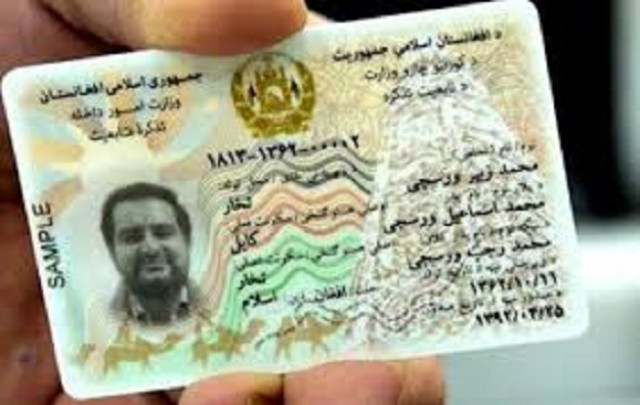
The Peshawar High Court (PHC) has disposed of a writ petition filed by Afghan students seeking protection from being excluded in the admission process at Khyber Medical University (KMU), directing the petitioners to submit Afghan passports, Pakistani visa and other required documents within one month.
The court ruled, in case the students fail to provide the required documents within the given timeframe, the university administration would be authorised to take a decision regarding their admission.
The case was heard by a two-member bench comprising Justice Syed Arshad Ali and Justice Mudassar Ameer. Advocate Mian Zakir Hussain appeared on behalf of the petitioners, while Advocate Abdul Munim Khan represented the KMU.
Counsel for the petitioners informed the court that his clients are Afghan nationals who had applied for admission to the MBBS programme at Khyber Medical University. However, the university administration demanded submission of passports and visas at an early stage, despite the new admission rules and policy states that foreign nationals are required to submit such documents only after the issuance of the final merit list.
He argued that the administration’s demand prior to the release of the final merit list was unlawful, particularly as border crossings were currently closed and all forms of movement suspended. The petitioners had requested the university to allow submission of passports and other documents after publication of the final merit list, but the administration rejected their request.
Representing KMU, its legal adviser Abdul Munim Khan told the court that the seats in question were reserved for Afghan citizens, not Afghan refugees. He maintained that the petitioners neither possessed Afghan citizenship nor valid Afghan passports, and therefore could not apply without proper documentation, including a valid visa.
He further submitted that since the petitioners had already studied in Pakistan and lacked concrete proof of Afghan citizenship, the university was compelled to exclude them from the admission process.
After hearing arguments from both sides, the court granted the petitioners one month to submit all required documents and disposed of the petition accordingly.
















This material may not be published, broadcast, rewritten, redistributed or derived from. Unless otherwise stated, all content is copyrighted © 2026 The Express Tribune.






COMMENTS
Comments are moderated and generally will be posted if they are on-topic and not abusive.
For more information, please see our Comments FAQ