Jamie Lee Curtis mourns death of sister Kelly Curtis
Updated 1 hour ago

The French actress' legacy is marred by controversies including racist, islamophobic and homophobic ideologies
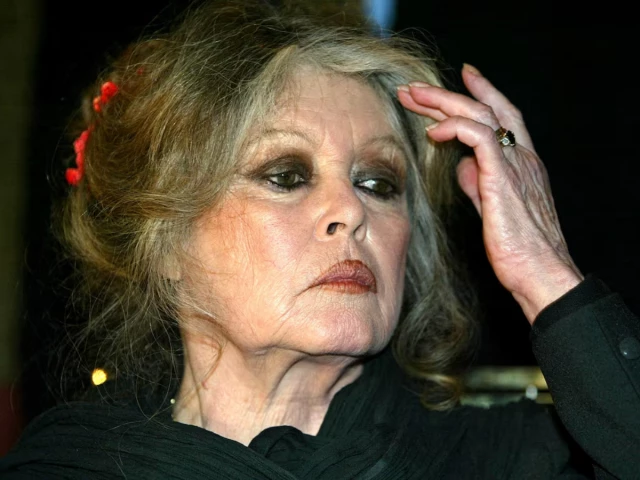
Brigitte Bardot has died at the age of 91 after months of declining health, bringing renewed attention to both her cultural impact and the controversies that defined much of her later life.
The French actress, who rose to international prominence in the 1950s and 1960s with films including And God Created Woman, passed away on December 28, 2025. She had been hospitalised twice in recent months.
In October, her representatives described a three-week stay as involving “minor surgery”, though French media later reported it was linked to treatment for a “serious illness”. She was readmitted in November for around 10 days due to related complications. The specific cause of death has not been disclosed.
Alongside her cinematic legacy, Bardot’s record of legal convictions has resurfaced. From the 1990s onwards, French courts found her guilty five times of “inciting racial hatred”, relating to public statements about immigration, Islam and the ritual slaughter of animals by Muslims in France. She also expressed similar views in her book Un cri dans le silence (A Cry in the Silence).
As a result, she received six fines, the largest in 2020, when she was ordered to pay €20,000 after referring to residents of Réunion island as “degenerate savages” with “savage genes”. In total, penalties imposed on her for racist offences amounted to between $59,000 and $65,000.
Bardot also attracted criticism for her views on feminism, describing the #MeToo movement as “hypocritical” and “ridiculous”, and suggesting some actresses “tease” producers before alleging harassment. She voiced opposition to the LGBTQ+ community, once calling gay people “fairground freaks”, and complained about the visibility of transgender individuals.
Politically, she supported Marine Le Pen and the National Front, with her third husband, Bernard d'Ormale, having served as an adviser to the party’s founder, Jean-Marie Le Pen. Her private life also drew scrutiny, particularly comments about her son, Nicolas Charrier, which led to legal action and compensation for emotional distress.















This material may not be published, broadcast, rewritten, redistributed or derived from. Unless otherwise stated, all content is copyrighted © 2026 The Express Tribune.






COMMENTS
Comments are moderated and generally will be posted if they are on-topic and not abusive.
For more information, please see our Comments FAQ