Oil rises, stocks waver as new US strikes dampen peace deal hopes
Updated 11 hours ago

Country can raise exports to $10b by tapping opportunities in American pharma sector
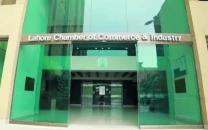
A delegation of the Pakistan American Chicagoland Chamber of Commerce visited the Lahore Chamber of Commerce and Industry (LCCI) and met with LCCI President Faheemur Rehman Saigol.
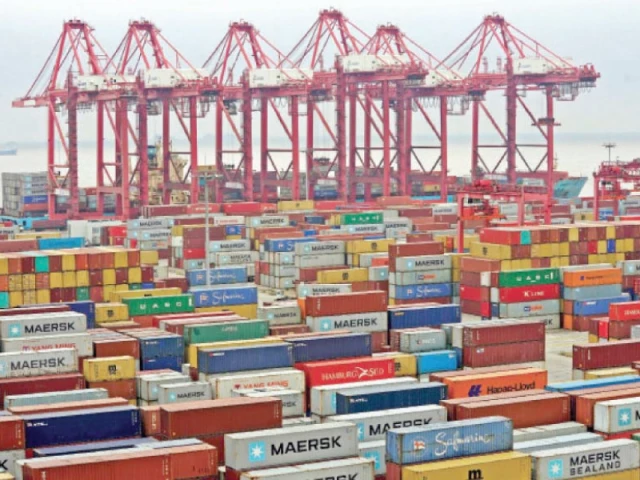
The LCCI president said that the United States is Pakistan's largest export destination, with exports reaching around $6 billion last year. He said that by effectively using the US tariff structure, Pakistan can increase its exports to $10 billion.
He pointed out that Pakistan has mostly focused on traditional exports, especially garments, but now it needs to explore new products and sectors to boost exports. He stressed the importance of moving beyond the five traditional sectors and focusing on IT, minerals, agriculture and other emerging areas, which are also being prioritised by the government and the Special Investment Facilitation Council (SIFC).
The LCCI president highlighted the vital role of the Pakistani community in the US and said Pakistan should fully benefit from their business networks and expertise. He also emphasised the need to strengthen coordination with all joint chambers, adding that exports of skilled human resources have great potential, which can increase both exports and remittances.
He mentioned that remittances have increased significantly this year and are expected to reach $42 billion by the end of the year. He said that a comprehensive strategy is needed to send skilled labour to other countries to further increase remittances.
Pakistan American Chicagoland Chamber of Commerce President Naveed Anwar said that Pakistani businessmen living in the US are deeply committed to Pakistan and want to contribute to economic stability. He shared that discussions with US Senate representatives highlighted the strong potential of Pakistan's pharmaceutical industry and that Pakistan can increase pharma exports.
However, he regretted that currently no Pakistani pharmaceutical company is FDA-compliant, which has held the sector back. He said regulatory complications and quality control issues are major obstacles.
Anwar added that after tariffs were imposed on India's pharmaceutical industry, new opportunities have emerged for Pakistan, but quality remains a serious challenge.
Dr Sameer Shafii, who was part of the delegation, said that strict visa policies in the US have created a shortage of human resources, forcing American companies to look for outsourcing options. He suggested establishing special facilitation centres in Pakistan for such companies, as there is significant potential in this area.
He also pointed out that overseas Pakistanis face difficulties in taking their capital out of Pakistan after investing, which has reduced investment inflows. Regulatory issues and the lack of ease of doing business are major hurdles.







This material may not be published, broadcast, rewritten, redistributed or derived from. Unless otherwise stated, all content is copyrighted © 2026 The Express Tribune.












COMMENTS
Comments are moderated and generally will be posted if they are on-topic and not abusive.
For more information, please see our Comments FAQ