Barcelona on brink of La Liga triumph
Updated 3 minutes ago

From absurd scenes in television dramas to hostility spilling onto the cricket field
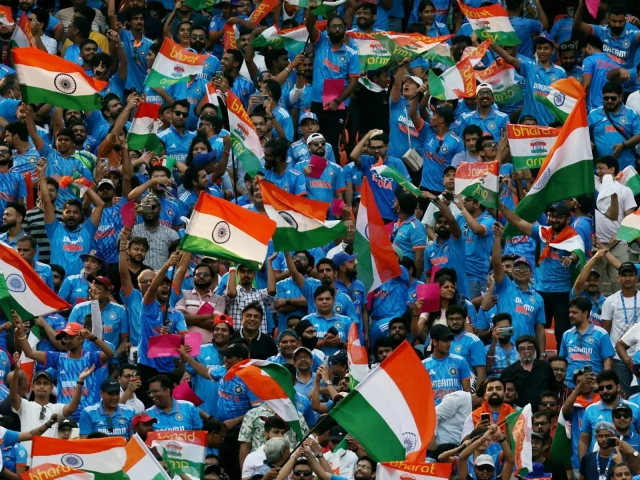
There is a scene I once watched—unwillingly, thanks to social media—in an Indian television drama that still defies belief. The heroine gazes at the sky and declares, “Whoever brings me a piece of that moon will be my husband.” What follows is cinematic chaos.
A man throws a rope-like object toward the sky and begins pulling the moon down with all his might. His female relatives rush in to help. Moments later, he sits inside his car, which inexplicably starts flying, reaches the moon, and breaks off a piece of it. When the fragment crashes to the ground, the family cheers: “He actually broke a piece of the moon!”
It sounds ridiculous—and it truly is—but this was an actual scene from an Indian drama circulating online. Unfortunately, this isn’t an isolated case. From films claiming ancient Indians invented airplanes to wildly exaggerated historical narratives, Indian popular media increasingly substitutes fantasy for reality.
You may wonder why I bring this up now. Recently, I travelled to Dubai for the ILT20 and the Under-19 Asia Cup. From the airport to hotels, stadiums, restaurants, and shopping malls, one topic dominated conversations among South Asians who understood Urdu or Hindi: a new Indian film titled Dhurandar.
During a match in Abu Dhabi, I overheard a group of Indians discussing the film with a Pakistani official and joined the conversation. I pointed out that the film’s portrayal of Lyari was deeply flawed. Lyari is not just a troubled neighbourhood—it has produced footballers, boxers, and now even singers. None of that reality found space in the movie. The Karachi shown on screen belonged to a darker era, when the city was under someone else’s grip—janab. I used that word deliberately, knowing how Indians believe Pakistanis cannot end a sentence without it. Unsurprisingly, my comments were not appreciated.
The film, incidentally, was not released in the UAE or other Gulf countries due to its anti-Pakistan content, though it remains available online, with one of its songs going viral. That, in itself, speaks volumes about the power and reach of digital propaganda.
The hotel I was staying at suddenly became unusually crowded one day. I later discovered that all the Asia Cup teams had checked in. At the reception, I ran into Shahid Anwar, Pakistan’s Under-19 coach—a fine batsman in his time and now quietly building a reputation as a thoughtful mentor.
At the trophy unveiling at Dubai Stadium, I also saw Sarfaraz Ahmed—the captain who once led Pakistan to an Under-19 World Cup title and now guides the next generation. In my career, I’ve noticed that many cricketers engage with the media only when it suits them. Sarfaraz is different. He remains humble, approachable, and respectful, greeting journalists and former acquaintances alike without a trace of arrogance.
Yet amid these reassuring moments, one thing stood out sharply. The Pakistani and Indian captains did not shake hands. The distance was visible, deliberate, and unsettling. It felt as though hostility had now been passed down even to junior cricketers.
Those who truly win wars do not need to make films about them. Even former U.S. President Donald Trump has publicly acknowledged Pakistan’s role and victories this year. Yet many in India appear more comfortable living inside an imagined world, reinforced by cinema and selective outrage.
After returning home, I watched the Pakistan vs India Under-19 match on television. Once again, there was no handshake between captains. Ironically, off-camera, commentators and former players from both sides still laugh, talk, and share meals. It is the newer generation that prefers distance.
If Babar Azam were to dine with an Indian player abroad, few Pakistanis would object. But that Indian player would likely face severe backlash back home. Not all Indians support this hostility, of course, but those who speak out are often silenced through trolling and intimidation.
Refusing handshakes in cricket and producing anti-Pakistan films are not isolated acts—they are part of a broader pattern designed to inflame emotions and gain political mileage.
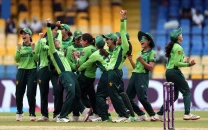
India’s obsession with Pakistan has reached a point where even Lyari becomes a cinematic target. This hatred harms artists and athletes alike. There was a time when, even during tense political periods, cricket matches went on and friendships endured. Now, even women’s and junior cricket reflects visible bitterness.
Cricket, sadly, has fallen victim to extremism. And unless sense prevails, the damage may be irreversible. The question is no longer why this is happening—but when, if ever, will it stop?












This material may not be published, broadcast, rewritten, redistributed or derived from. Unless otherwise stated, all content is copyrighted © 2026 The Express Tribune.







COMMENTS
Comments are moderated and generally will be posted if they are on-topic and not abusive.
For more information, please see our Comments FAQ