BOI ramps up investor outreach in UK
Updated 12 hours ago

Mari Energies warns Ghazi Ghaisakhori development cannot proceed without assured offtake, timely payments
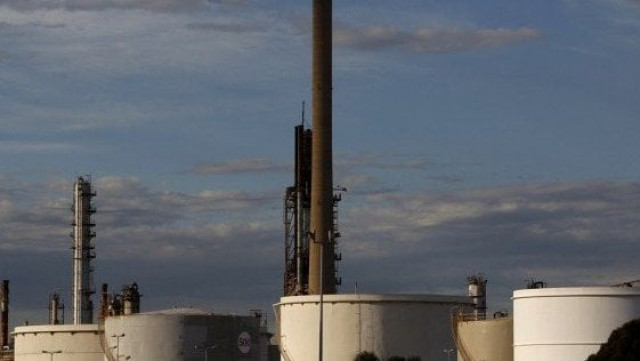
The circular debt has deteriorated the financial position of oil and gas exploration companies, leaving them unable to invest in exploration activities. Additionally, the companies have been facing cash flow problems as gas is curtailed due to LNG imports that have flooded into the country.
The exploration companies have repeatedly raised the issue of circular debt in the gas sector, arguing that it has compromised their financial health and restricted their ability to move ahead on their investment plan. The government has recently awarded 23 offshore licences to oil and gas exploration companies, mainly state-owned firms like OGDCL and PPL. Blocks were also awarded to Mari Energies.
These companies require substantial finances to execute their plans for drilling offshore fields, but the circular debt is now haunting their investment outlook. The situation has escalated as Mari Energies Limited has warned the government that the prevailing circular debt does not allow the company to undertake an investment of over $1 billion for the full-scale development of the Ghazi Ghaisakhori field.
At present, the country is facing Rs2.6 trillion in circular debt. Mari Energies has been pushing the government to allocate gas to the fertiliser sector. The company says it is unable to invest around $1 billion for the full-scale development of the Ghazi Ghaisakhori field without assurance of sustainable gas offtake and timely payments by buyers. In a letter to the government, the company said a recent study conducted by Wood Mackenzie indicates a substantial decline in gas demand on the systems of gas utility companies, particularly in the power sector. It added that this reduction, compounded by higher consumer tariffs and the levy on captive power, has further constrained system demand. The situation, it said, is corroborated by SNGPL's persistent demand-supply management challenges, leading to frequent curtailments of indigenous gas.
In addition to these market realities, the prevailing circular debt situation does not permit Mari Energies to undertake an investment of over $1 billion for the full-scale development of Ghazi Ghaisakhori without assurance of sustainable gas offtake and timely payments. Therefore, if the government decides to go against the FMPAC proposal to reverse the decision of the committee headed by the deputy prime minister, Mari Energies would be unable to proceed with such a significant investment due to the reasons listed above.
The company wrote to the government with reference to discussions held during the meeting chaired by the deputy prime minister, which was convened to deliberate on the subject. As elaborated during the meeting, the FMPAC proposal primarily envisages allocation of gas from the Ghazi Ghaisakhori fields to fertiliser plants, along with a provision for backfill supply upon depletion of gas from the currently allocated reservoirs.
This arrangement is premised on the fertiliser industry's commitment to invest over $200 million in the installation of additional gas processing and compression facilities, in addition to Mari Energies' investment of around $800 million in drilling wells.











This material may not be published, broadcast, rewritten, redistributed or derived from. Unless otherwise stated, all content is copyrighted © 2026 The Express Tribune.







COMMENTS
Comments are moderated and generally will be posted if they are on-topic and not abusive.
For more information, please see our Comments FAQ