
Just when you thought you'd seen all there is to Spider-Man, Marvel Comics introduced Spider-Noir, a version of Spider-Man who doesn’t want to be a superhero but has to act like one to save his friends and the city he lives in. Amazon Prime’s Spider-Noir is about that superhero who hates having superpowers but has to use them; otherwise, the bad guys will win, and no one wants that.
Over the last 20 years, the superhero genre has evolved significantly, from cosmic adventures to multiverse spectacles, and audiences have seen nearly every imaginable variation. Yet Spider-Noir manages to surprise everyone with a superhero who is mostly wrapped in a trench coat, shrouded in shadows, and steeped in the aesthetics of 1940s detective fiction.
What makes Spider-Noir stand out among all superhero flicks, in general, and Spider-Man films, in particular, is its ability to keep viewers guessing. Add to that the colour and black-and-white versions, and you can treat yourself to whatever mood you are in. I preferred the black-and-white version since it matched the ‘film-noir’ mood of the series, and those who know about that prefer colourless any day.
Why is the series raising eyebrows and prompting people to revisit the two ‘Spider-Verse’ films where he first appeared? Because it blends Spider-Man mythology with the visual and thematic language of classic film noir, the result is a series that feels both familiar and refreshingly different. Not only does it offer comic book fans a darker take on a beloved character, but it also introduces mainstream audiences to the enduring appeal of noir storytelling.
Cage's triumphant return
Folks who grew up in the ‘90s know Nicolas Cage was the era's biggest star- he was in Face/Off, The Rock, and Con-Air, among other action flicks that made him the first choice for producers. However, his career fizzled out over the last 15 years, during which he tried to revive it in every way he could. Spider-Noir gave him the chance to shine, and he made a triumphant return with his second superhero outing – Ghost Rider being the first.
This is not the first time he has played ‘The Spider’. He voiced the character (Peter Parker/Spider-Man Noir) in both the ‘Spider-Verse’ movies, but here, due to technical issues, his alter ego is Ben Reilly, and the superhero is known as The Spider. But since the character's heart is the same, it is fun to watch Nicolas Cage in his element.
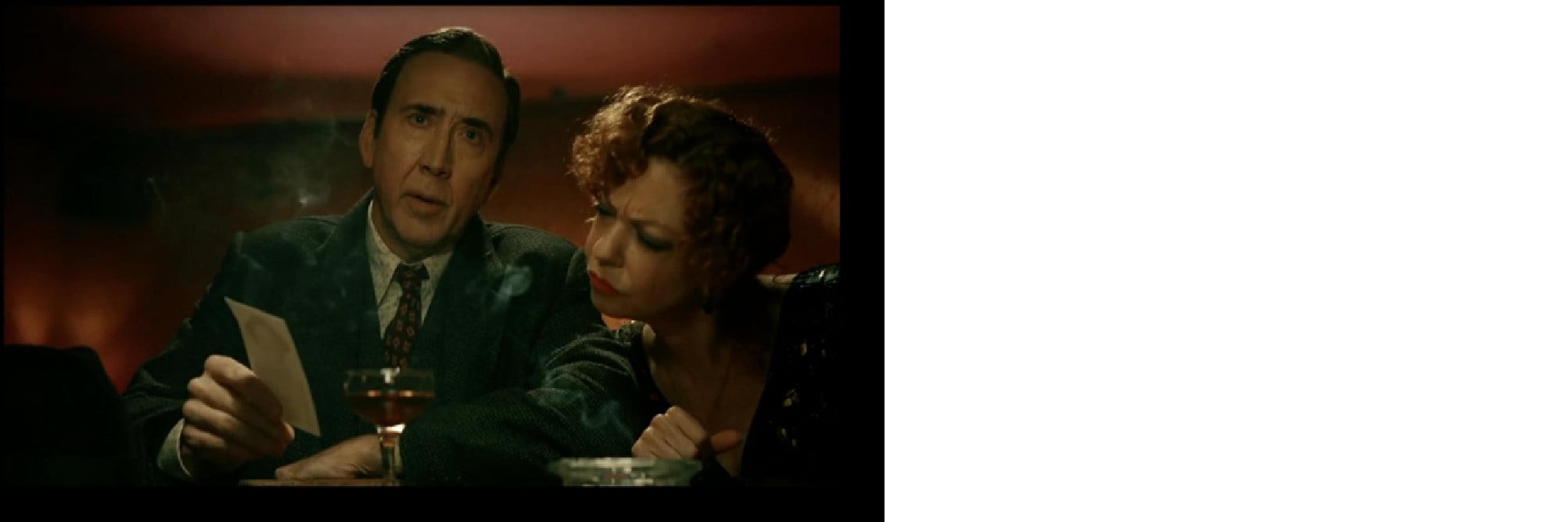
Instead of voicing the character, he plays the live-action version of The Spider and excels in every aspect. He is funny when he wants to be, effortlessly shifts between action and romance, and takes viewers on a ride they will never forget.
In fact, the way he plays the character makes his fans wonder whether he was born in the wrong era, because he fits the 1940s as if he were born to play noir characters. His confident bearing, reminiscent of Humphrey Bogart and James Cagney, makes the character likable. Unlike most superheroes, who are always brimming with confidence, Cage injects enough vulnerability here to make the character relatable.
Marvel and film noir combined
The greatest achievement of Nicolas Cage in Spider-Noir is how naturally he helps blend the two seemingly different worlds. His portrayal of a weary vigilante not only perfectly captures the essence of the hard-boiled detectives who dominated noir fiction and cinema but also serves as a bridge between superhero mythology and classic detective archetypes.
If you are wondering what film noir is, it's a style of filmmaking in which the hero is cynical, the heroine is a femme fatale, and the damsel in distress is present, all enriched by stark lighting effects, frequent use of flashbacks, and intricate plots, resulting in a film where nobody is to be trusted. Such films were made mostly before the advent of regular colour films during the last century – between the 1940s and the 1950s – and whenever a director wants to explore something from the genre, he chooses to recreate the era, just as the makers of Spider-Noir did.
How is Spider-Noir different from Spider-Man? Spider-Man is traditionally associated with bright colours, youthful optimism, and wisecracks, whereas Spider-Noir is rendered in black and white (with a colour version coming later) and lives in a society that thrives on cynicism, moral ambiguity, and inevitable tragedy.
Rather than letting these elements clash, the creators use them to complement one another, resulting in an OTT series that feels like a film. They have made the city a character, drenched in shadows and secrets. Every alleyway feels dangerous, every conversation hides an ulterior motive, and every case seems tied to a larger conspiracy. These are hallmarks of noir storytelling, and they fit surprisingly well within Marvel's universe.
A treat for all
The series embraces classic noir themes of corruption, betrayal, and redemption while retaining enough Spider-Man DNA to remind viewers that it is still a superhero story. It is a balancing act many adaptations would struggle to achieve, yet Spider-Noir pulls it off with confidence.
One of the reasons the show works so well is that it understands both Spider-Man and the Noir audiences. While the Spider-Man fans will appreciate the familiar mythology and the references to established characters, noir enthusiasts will find plenty to admire in the show's atmosphere, dialogue, and narrative structure.
The series draws heavily on the conventions that made classic noirs memorable. The protagonist is haunted by his past. The villains operate in a morally gray world. Trust is a luxury few characters can afford. Even the women who enter the story often carry secrets of their own, echoing the genre's femme fatales.
Watching the show often feels like stepping into a living comic-book adaptation of the novels by Raymond Chandler or Dashiell Hammett.
Every character is important
While atmosphere is important, Spider-Noir never forgets that it is also a superhero series in which every character is integral to the story. At first, the supervillains are portrayed as the bad guys, but when their origins are revealed, you begin to sympathise with them because whatever happened to them wasn’t their fault.
There is Flint Marko, who literally turns into a Sandman; Lonnie Lincoln, aka Tombstone, who has near-indestructible, armored, crocodile-like skin; and Dirk Keyden, who turns into Megawatt. The mob boss Finbar Byrne recruits them all to make the mayor look bad, but he doesn't count on the friendly neighbourhood guy who storms in and does his thing.
Just as each character is important to the plot, every action sequence is integral to the story. Rather than relying solely on CGI spectacle beyond the obvious shots, the series emphasises tension and choreography. Even when the Spider falls in love, it’s incorporated into the plot, as it always was meant to happen.
Rather than presenting straightforward comic-book antagonists, the series populates its world with criminals, corrupt officials, and shadowy power brokers whose motives are often hard to decipher. This ambiguity heightens suspense and keeps viewers guessing, with only one outcome seeming likely: Spidey will save the day!
You decide the experience
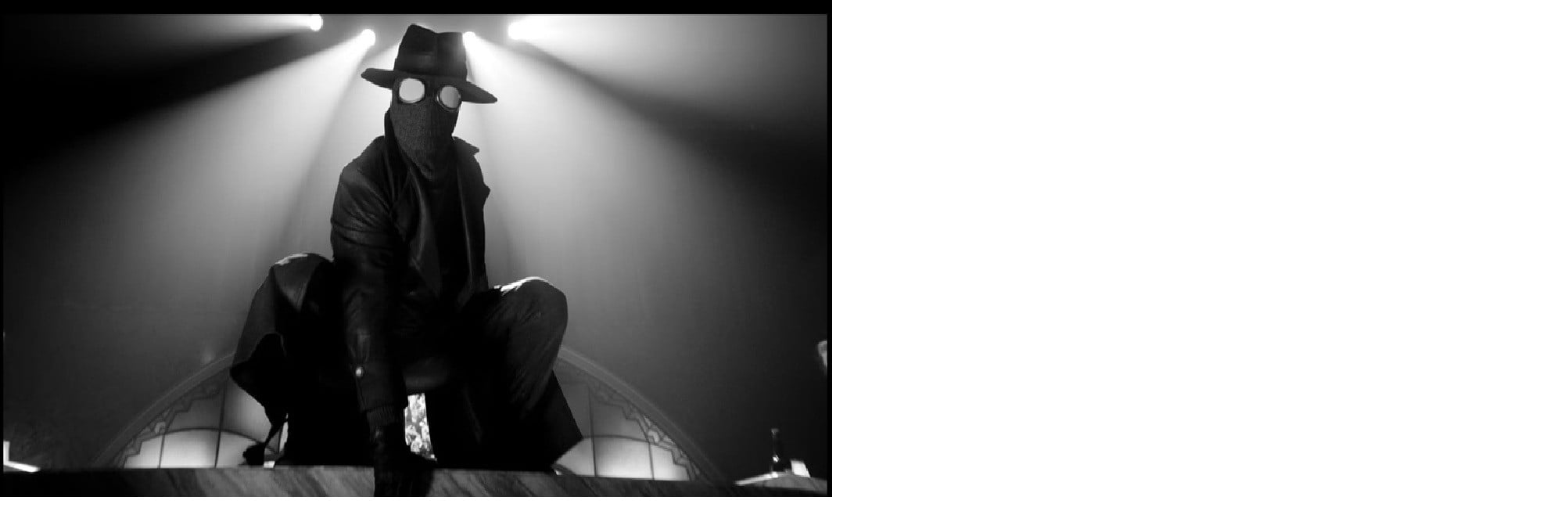
Perhaps the most fascinating feature of Spider-Noir is that viewers can choose how to experience it - in colour or in black-and-white. While the colour version highlights the production design and visual effects, the black-and-white presentation transforms the show into something entirely different.
Watching it in monochrome feels like traveling back to Hollywood's golden age. The shadows deepen, the city appears more menacing, and the connection to classic noir cinema becomes impossible to ignore. It is a bold creative decision that demonstrates the creators’ confidence in their material.
Rating 4/5
Spider-Noir succeeds because it respects both of its influences. It understands what makes Spider-Man compelling and what made film noir timeless. Nicolas Cage delivers a career-best performance, the action scenes keep the pace moving, and the noir atmosphere remains consistently captivating throughout.
More importantly, the series proves that superhero storytelling can still surprise audiences. By embracing the traditions of classic detective fiction rather than merely borrowing its aesthetics, Spider-Noir delivers an experience that feels distinct in an increasingly crowded genre.
For comic book fans, it offers an exciting new take on a familiar hero. For film lovers, it serves as an accessible gateway into one of cinema's most influential genres. For everyone else, it is simply one of the year’s most entertaining and stylish television experiences.
Together, these films provide a near-complete introduction to film noir's defining elements: crime, corruption, morally flawed protagonists, femme fatales, stark black-and-white cinematography, and an overwhelming sense of inescapable fate.
The writer is a freelance contributor who writes about film, television, and popular culture
All facts and information are the sole responsibility of the writer