
Food poisoning is a deeply personal—and often terrifying—experience. While many cases pass quickly, severe infections can lead to life-threatening complications, dehydration, and months of lingering physical distress. Yet preventable food poisoning continues to threaten Pakistanis despite modern food safety systems.
Twenty-six-year-old Hassan Raza, a junior accounts officer in Karachi, stayed home because of a major audit at work, while his family travelled to Lahore for a cousin’s wedding. On Saturday evening, after a long day at the office, Hassan picked up a beef burger from a roadside outlet on his way home. Too tired to cook and with no one around to share a meal, he ate the burger while watching television before going to bed.
A few hours later, he woke up with severe stomach cramps, nausea, and repeated bouts of vomiting and diarrhea. As the night wore on, his condition worsened. By around 4 am, dehydrated and weak from hours of illness, Hassan became dizzy while trying to walk to the bathroom. He collapsed, striking his face against the edge of a table and breaking his nose.
Unable to reach his family in Lahore immediately, he called a neighbour for help. He was rushed to a nearby hospital, where doctors treated him for acute dehydration and facial injuries. He was discharged later that day after receiving intravenous fluids, but the incident left him shaken.
“I thought it was just a burger,” Hassan recalled. “I never imagined one meal could land me in the hospital.”
Twenty-two-year-old Ahsan Malik, a university student in Karachi, stopped at a popular roadside juice stall with friends on a hot summer evening and ordered a chilled milkshake. Within a day, he developed severe abdominal cramps and persistent diarrhea. The pain became so intense that he described it as feeling as though “his stomach was twisting itself into knots.” As the illness progressed, repeated vomiting and diarrhea left him dangerously dehydrated. By the time his family brought him to the hospital, he was too weak to speak properly and required immediate intravenous fluids and monitoring.
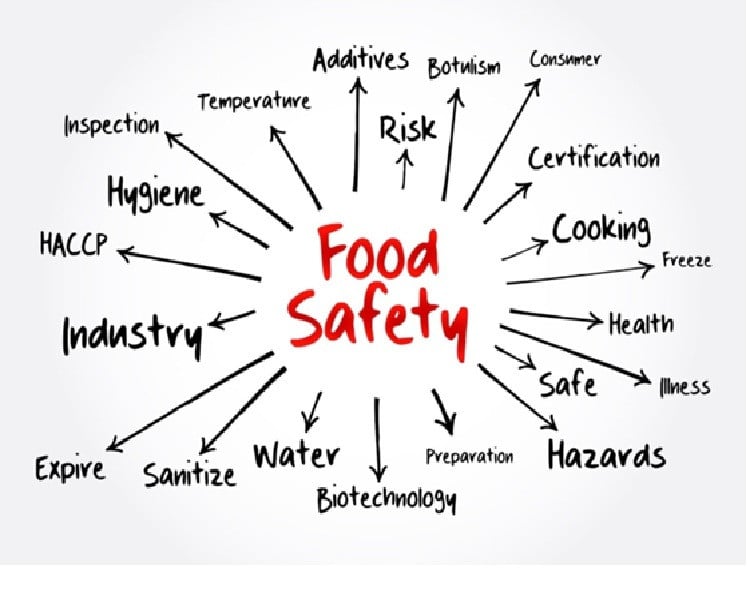
Foodborne diseases are a significant health problem in Pakistan, where food safety regulations are poorly implemented. Despite these concerns, documentation of foodborne outbreaks is limited in these institutional settings in Pakistan, and most cases go unreported.
Pakistan boasts of a diverse and complex food culture – one notoriously unforgiving to a weak immune system. It is often disregarded under the guise of humour but in reality, it reflects a grave problem with food safety and quality management. Roadside vendors and informal food stalls are never even expected to maintain hygiene requirements for food handling, but increasing reports about cross-contamination and use of expired products in reputable eateries are gradually taking over this epidemic.
This year in May, as reported in The Express Tribune, a family of 12 members from Bahawalpur, Punjab recently made the news after consuming watermelon and milk before sleeping and waking up to nausea and vomiting -- prompting an urgent visit to the hospital for all 12 members. In light of countless reports and raids that have seized adulterated milk in the past, this singular case is clearly part of a much larger looming health hazard. Milk suppliers have even been caught lacing milk with detergent powder and supplying it to eateries and cafes. When it comes to leeching profits from consumers, there really is no category that has been spared including meat, dairy, fruits and vegetables. Food distributors sell meat from dead chickens to fast food outlets, stalls and hotels almost as confidently as if it were a public demand.
The deaths of two young siblings in Karachi in 2018, allegedly after eating at the posh Clifton eatery, Arizona Grill, prompted the Sindh Food Authority (SFA) to launch inspections and claim it had recovered expired meat from a warehouse allegedly linked to the restaurant. But beyond high-profile raids and press releases, questions remain about whether the SFA has built a meaningful system of routine checks and accountability for the city's food businesses. In a metropolis plagued by power outages, water shortages, and inconsistent refrigeration, food safety cannot depend solely on sporadic crackdowns after tragedy strikes.
Beyond fragmented raids, fines and temporary closures, food distributors and restaurants rarely face adequate consequences. There are no prosecutions, and regulatory frameworks are exhaustively outdated. Widespread digitisation has failed to materialise within the food ordinance, which still allows for manual record-keeping and can easily be outmanoeuvred. At least for thriving businesses, the government must mandate a system that enforces labelling, registering and electronically monitoring food batches, especially for items like milk. Without a system overhaul, irregular crackdowns only fulfil the role of keeping up appearances without meaningful rectification.
Research data (International Journal of Surgery Global Health) from a 2023 report indicates that in Pakistan contamination from microbial sources is more common than chemical. The incidence of Salmonella in Pakistan is among the highest in the world, with 412 per 100,000 cases being reported annually. Recently, there has been increased consumption of ready-to-eat food, including burgers, shawarma, pizza, and sandwiches. The report also cited a study conducted in Quetta, which found that nearly 38% of ready-to-eat (RTE) food was unfit for human consumption. Fruits and vegetables also contribute to the growing burden of foodborne illness. Despite being essential components of a healthy diet, they are often mishandled and contaminated with a range of hazards, including Salmonella, E. coli, and residues of agricultural pesticides.

According to WHO, an estimated 866 million – almost 1 in 9 people in the world – fall ill after eating contaminated food and 1.52 million die every year. In Pakistan, food poisoning and related foodborne diseases are highly common due to poor sanitation, inadequate food handling protocols, and lack of strict regulatory enforcement that contribute to widespread outbreaks of foodborne pathogens. The factsheet also says that foodborne diseases impede socioeconomic development by straining health-care systems and harming national economies, tourism, and trade. Food safety is a shared responsibility among different national authorities and requires a multi-sectoral, one health approach.
WHO emphasises that climate change is expected to have considerable impacts on food safety and will likely increase the risks from existing and emerging foodborne diseases through increases in extreme weather events, increases in air and water temperatures, and changes in precipitation frequency and intensity.
Local incidents can quickly evolve into international emergencies due to the speed and range of product distribution. These challenges put greater responsibility on food producers and handlers to ensure food safety.
What we live with
From roadside vendors to upscale restaurants, the conditions that allow food contamination to thrive are deeply embedded in the way our cities function.
Take Karachi, where millions depend on food prepared outside the home every day. The city struggles with chronic water shortages, prolonged power outages, rising temperatures, and an increasingly fast-paced urban lifestyle that leaves many people with little time to cook or eat. Eating out is no longer a luxury; for many, it is a necessity. Yet the systems needed to ensure that food is safe have failed.
Clean water, the most basic ingredient in food safety, is often unavailable. Restaurants, cafes, juice stalls, and street vendors routinely operate amid water shortages, relying on storage tanks whose quality is rarely monitored. Water is used to wash vegetables, prepare beverages, make ice, clean utensils, and maintain hygiene. When that water is contaminated, every stage of food preparation becomes a potential source of illness.
Power outages create another layer of risk. Meat, poultry, dairy products, sauces, and other perishables require uninterrupted refrigeration. In a city where electricity can disappear for hours at a time, maintaining a safe cold chain is difficult even for responsible businesses. As temperatures climb and heat waves become more frequent, bacteria multiply faster, turning minor lapses in storage into major public health hazards.
On top of all, poor hygiene practices flourish. How does a food handler wash hands properly when there is no running water? Where does a food delivery person or roadside vendor wash hands after relieving himself on the roadside or alongside a wall publicly? How are utensils sanitised when water is scarce and gas supplies are disrupted? In many kitchens, both commercial and informal, food preparation takes place under alarming conditions, but it is more comfortable for us to ignore it.
Then there is the issue of adulterated ingredients and expired products. Consumers have little way of knowing whether the cooking oil has been reused beyond safe limits, whether dairy products are genuine, or whether meat has been stored properly. Checks are infrequent or absent, regulation inconsistent, and enforcement often reactive rather than preventive.
Tracing the culprit
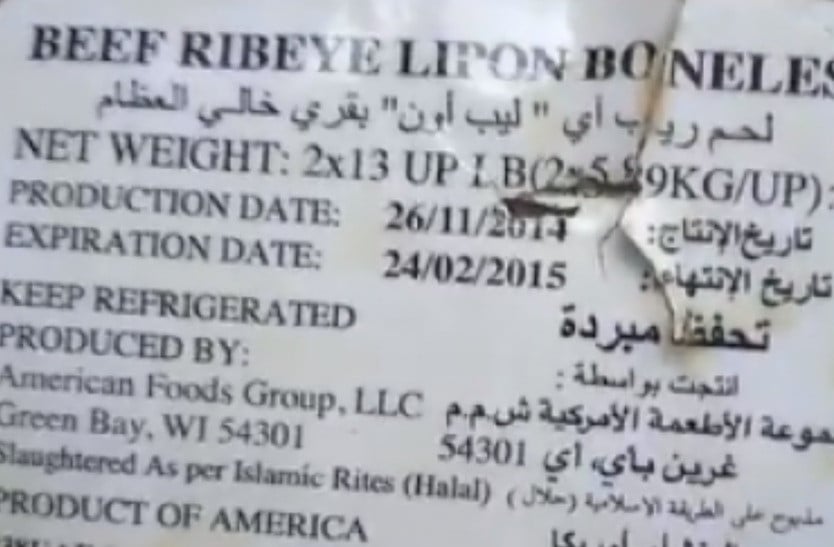
“One of the basic rules in modern food safety is that all raw ingredients need to have traceability,” says Farooq Mamsa, COO of a leading Pakistani fast-food chain. “It should be traceable and visible as to where, how, and when it arrived, and with what guarantees. Raw material, for instance chicken, should be bought from a source which also has traceability, and the handling processes, etc., must have complete visibility. If something happens, everything can always be traced back to a batch production. Same with bread, mayonnaise, ketchup etc. as with most ingredients in any reputable food business. If these ingredients are being bought from the local market, traceability goes out the window, leaving consumers vulnerable.
He further elaborated. “Secondly, once it comes into your store or your outlet or your warehouse, set standards apply and internal visibility begins. Where and under what conditions are the ingredients stored; in the freezer, at what temperature etc. How can we know the temperatures are monitored and controlled? What if there has been a power cut, or one of many reasons something can go wrong. What measures are in place for that to happen? Temperatures get checked every morning when the restaurant opens. The checks and balances at each step of the way are available if someone chooses to implement them. The problem with our industry in Pakistan is that few local businesses actually choose to implement these standards strictly because each step costs money and sometimes specialised equipment.”
According to Mamsa, surveillance doesn’t end here. “Once the frozen chicken batch comes out for prep, it must be 'first in first out; FIFO',” he explains. “Let's assume all that is in place, under what conditions was the frozen chicken kept for defrosting? Was it left near a heat source for quick defrost or was it put through a proper thawing procedure which is overnight in a container, in the chiller., the temperature of which is another question. Assuming all of those things were done, how was it stored after defrosting? From vendor, to storage, to handling, cooking and serving to customers, there are rules and internationally accepted SOP (standard operating procedures) to be followed. Hygiene of the various handlers and in various places in the kitchen can lead to cross-contamination.”
This is one reason traceability is critical; in case of a complaint, things can get scaled up, and various responsible persons can get involved depending on the severity of the complaint. In a case where food quality is called into question “Everyone knows about it via email and the product can be traced back to the supplier, if that is needed; we need to know what went wrong and how and the procedures implemented internally shows us exactly what went wrong and at what stage,” shares Mamsa. “Within the outlet, there’s check and balance. We have surprise internal audits that each and every outlet gets marked on. The outlet is graded and results are assessed on their performance in different categories. If an outlet falls below a certain mark, alarm bells are activated, and corrective measures are introduced immediately. If a critical deviation is observed, that outlet may be shut down for any length of time.”
Beyond bad luck
Food poisoning is often treated as bad luck — an unfortunate meal, a careless vendor, a stomach bug that will pass in a day or two. But the stories of Hassan, Ahsan and countless others suggest otherwise. Food poisoning is rarely the result of a single mistake. It is usually the culmination of failures that begin long before food reaches a plate: contaminated water, poor storage, weak oversight, power outages, adulterated ingredients, and a culture that accepts shortcuts as inevitable.
We often have older people saying, “It wasn’t like this in our times,” and they are not wrong. As temperatures rise, cities grow more crowded, and more people rely on food prepared outside the home, those failures will become harder to ignore. Every burger, milkshake, fruit chat or fruit juice represents a chain of decisions stretching from production to consumption. The question is not whether Pakistan knows how to make food safe. The systems, standards and technologies already exist. The question is whether regulators, businesses and consumers are willing to demand them. Until then, every meal will continue to carry a risk it was never meant to have.