
Eight seasons is a long time for any TV show to go rusty, and it's true that after eight seasons, most shows show signs of fatigue. Their storylines become repetitive, their character arcs predictable, and the visible struggle to stay relevant bores the audience. However, The Rookie isn’t like that, and it continues to defy that trend. What makes it stand out isn’t just its ability to deliver engaging police drama, but how effortlessly it blends action, humour, and character growth into a consistently watchable package.
At its core, The Rookie remains one of the most accessible cop shows on television today. No, it isn’t as wild as SWAT or as serious as Law and Order, but that’s what makes it both distinctive and fresh. It’s distinctive because it doesn’t drown in grim realism or lean too heavily into comedy; it’s fresh because it strikes a balance, offering high-stakes cases while giving its characters room to breathe, joke, and evolve. That balance is precisely what keeps audiences coming back, even after nearly a decade.
The series follows John Nolan (Nathan Fillion), a 40-year-old divorcee from Pennsylvania, who decides to become a cop after helping police officers during a bank robbery in his hometown. Surprisingly, he becomes the academy's oldest rookie and moves to Los Angeles to pursue a new career as an LAPD officer. In the first half of the series, he navigates the dangerous, unpredictable nature of his job, while in the latter half, he helps other rookies as their Training Officer, making it an interesting watch.
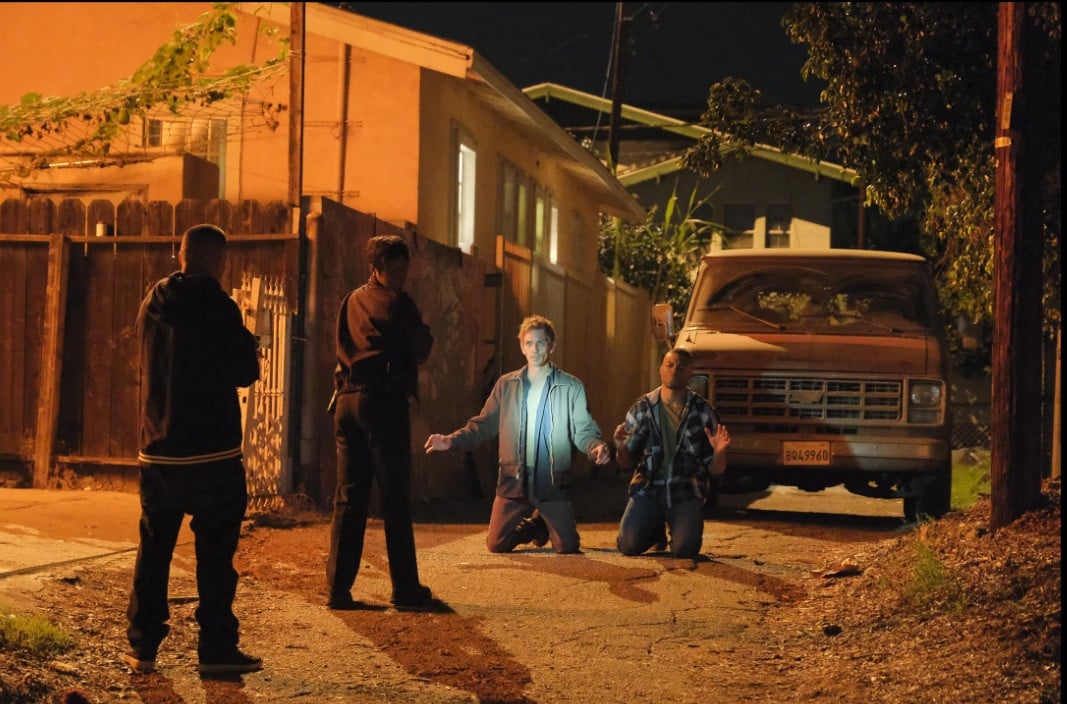
Every season brings its own issues; if you thought a secret affair was a lot to digest in the first season, think bigger. The next seasons introduced serial killers, gangsters with money to burn, promotions and demotions, and even the loss of colleagues, yet The Rookie manages to stay on its feet and keep the audience excited.
What has remained constant is the majority of the primary cast, who have been there since the very start, except for a few who joined later. In addition to Nathan Fillion, the cast includes Melissa O’Neil as Lucy Chen, Alyssa Diaz as Angela Lopez, Eric Winter as Tim Bradford, and Richard T. Jones as Sergeant Wade Grey, followed by Mekia Fox as Nyla Harper, Shawn Ashmore as Wesley Evers, and Jenna Dewan as Bailey Nune.
Like its preceding seasons, the eighth season isn’t as straightforward, pushing its characters into more complex territory, both professionally and personally. While Nolan and Bailey have their first fight as husband and wife over a career change, Bradford finally decides to move ahead with a proposal that everyone except Lucy knows about. Then there is Wesley’s decision to accept an offer to run for the District Attorney and how it affects his family, including Angela. Nyla gets demoted for complicated reasons, while Grey finds out that his wife might be having an affair at work. Add to that a Con Air-style escape, a string operation in Europe, and the return of a few former characters, and you have your hands full for at least 18 weeks.
The stakes feel higher this time around, with cases that test not only the officers' skills but also their moral boundaries. While the series might not follow John Nolan’s character, who isn’t a rookie anymore, there are other rookies to contend with, such as Lisseth Chavez’s Celina Juarez and Deric Augustine’s Miles Penn.
Every character is dealing with something that isn’t their fault, which makes the series both relatable and engrossing. While Celina brings the missing Latino flavour to the series, she believes in magic rather than in logic. Miles Penn continues to go overboard with his antics to prove that he is, in fact, the great police officer he thinks he is, but, sadly, he isn’t. Mix them with the senior characters, and you are left with mostly hilarious situations and less serious ones.
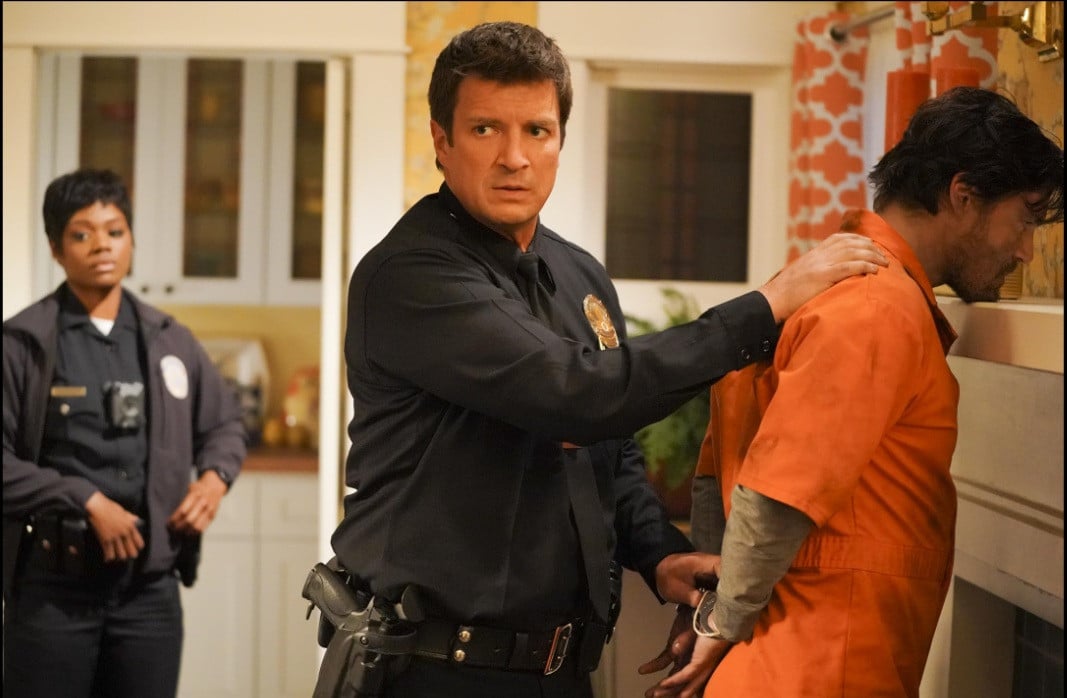
This season leans more toward long-form storytelling than before. Rather than standalone episodes dominating the narrative, several arcs span multiple episodes, adding depth and continuity. Relationships evolve, alliances are tested, and the emotional weight of policing in a modern city is explored with greater nuance.
For me, The Rookie was always going to be special, given that it featured OG Nathan Fillion. He made a silly-themed Castle look extraordinary with his performance, and the same could be said of The Rookie, where he convinces the audience early on that he is, in fact, a loser who wants to be a police officer to prove he isn’t. From nearly being forced out of the police force to making it in a course of eight years, both the series and John Nolan have come a long way, and Nathan Fillion is to be credited with that.
What also helped The Rookie was its tone. While many procedural dramas lean into intensity and darkness, this show infuses its storytelling with warmth. The humor never feels forced, and the characters’ camaraderie lends authenticity that’s often missing from the genre. Add to that the intelligently placed bodycam footage, and the whole season feels like a celebration where every holiday is celebrated, every character’s highs and lows are shared, and life rarely comes to a halt.
Another key factor is its relatability. Unlike shows that center on elite detectives or genius investigators, The Rookie focuses on ordinary people doing an extraordinary job. That grounded perspective makes it easier for audiences to connect with the characters and invest in their journeys. The series’ pacing is also one of its strongest assets. Episodes rarely feel dragged out, and even quieter moments develop characters or set up future conflicts.
There are a few things other TV show runners can learn from The Rookie: make your TV shows more character-driven, so viewers want to meet the characters every week, rather than watching a show that simply solves a case each week. Each character, from senior officers to supporting roles, receives enough screen time and development to feel fully realised.
Will Lucy and Chen get married? Will Nolan and Bailey find the happiness they deserve? Will Grey and his wife reconcile? Will Miles finally get the recognition he yearns for? Will Celina and his boyfriend finally get their happy ending? After reading these questions, you might think The Rookie is a police procedural version of Grey’s Anatomy, but it isn’t. In fact, the writers have crafted the characters so they rarely fall into clichés. Yes, they make mistakes, learn, and change — often in subtle ways that feel organic rather than scripted. The relationships among them are equally compelling, whether they’re mentorship, friendship, or romance. All in all, their primary job is serving the people, which they do excellently; for the rest, they have their personal space.
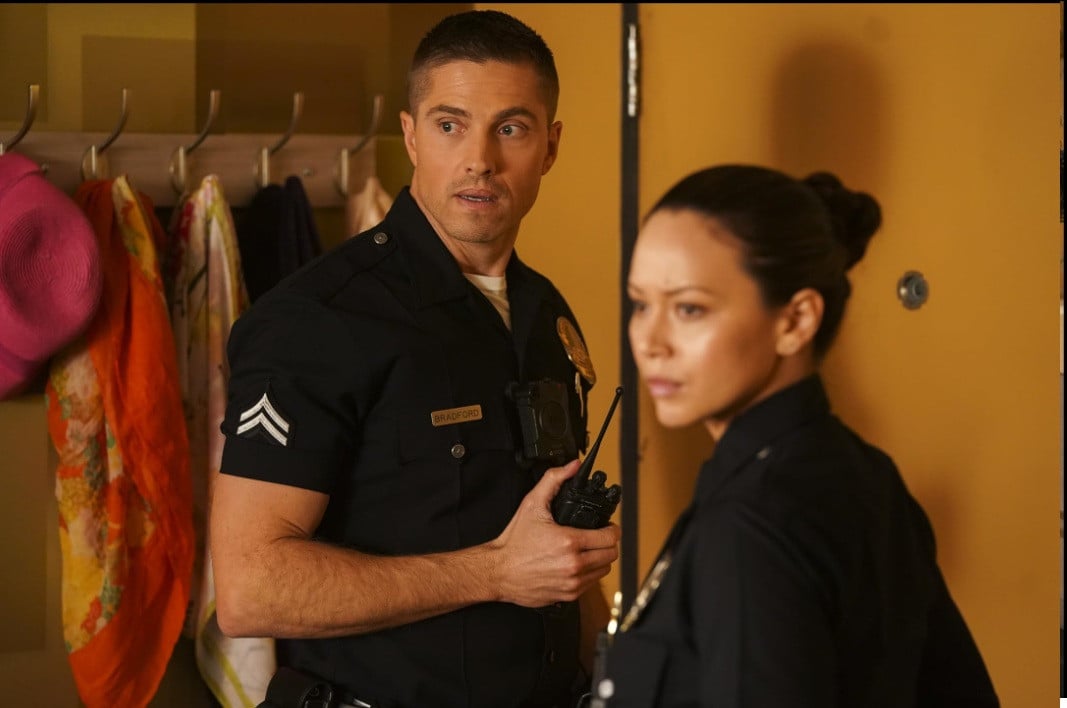
For me, Tim Bradford (Eric Winter) remains the highlight of the season, not only because he was promoted in the absence of Sergeant Grey but also because he has to keep his professional self separate from his personal one. While he was contemplating whether to propose to Lucy, the arrival of his overbearing mother (Sela Ward) further complicated things. From the ring she gave him for the proposal to the decision of how to propose, everyone from the precinct, except Lucy, was involved, and that’s what made it seem sweet.
Giving Sergeant Grey (Richard T. Jones) and his wife a story arc was impressive, too, because it not only gave the actor room to perform but also saw him exceed all expectations. It not only showed that superior police officers can have marital issues but also taught that speaking your mind is usually the right thing to do, even if it doesn’t seem right at the time.
It would be hard to say whether the final season of the series was its best, but it sure had its moments. Somehow, it feels more confident in its storytelling. The writing is tighter, the character arcs are more layered, and the emotional beats land with greater impact. It might be due to budget cuts compelling the creatives to go with the tide for the time being, which is why The Rookie stays grounded. That’s why it's returning for its ninth season.
As a regular police procedural aficionado, I would like to offer a few suggestions ahead of the ninth season. After resolving the eighth season's cliffhanger, the writers must wrap up the many cases still hanging by a thread, such as the case of Liam Glasser, who made his first appearance in the seventh season and still eludes law enforcement. They must also treat this season as their last, because when you do, better ideas are generated and executed.
Reports suggest that The Rookie might have fewer episodes in the upcoming season and that the whole season would revolve around a single big case, with smaller ones tucked into episodes. If that’s true, it would be suicidal for a series that has kept viewers busy on a weekly basis and would continue to do so if things aren’t changed. To compete with the onslaught of B-grade cop shows mostly on OTT, an A-grade police procedural shouldn’t be switching formats.
It would be great if the same format continued, with multiple arcs dominating the season, ambiguous cases the norm, and characters spending time together like a family. Yes, delving deeper into the psychological toll of policing could add another layer to the narrative, but not so much that the audience switches the channel. The high-stakes storytelling and the introduction of new characters, if merged with humour and drama, wouldn’t hurt.
After eight seasons, The Rookie proves that longevity doesn’t have to come at the expense of quality. If anything, it shows that with the right blend of heart, humor, and storytelling, a series can continue to evolve while staying true to what made it special. The last season may not have reinvented the wheel, but it has set in motion a journey the audience still feels good about.
The writer is a freelance contributor who writes about film, television, and popular culture
All facts and information are the sole responsibility of the writer