
Walk through any airport, café, university corridor, office lobby, or even a half-decent restaurant and you’ll notice something immediately: nobody looks dressed up anymore.
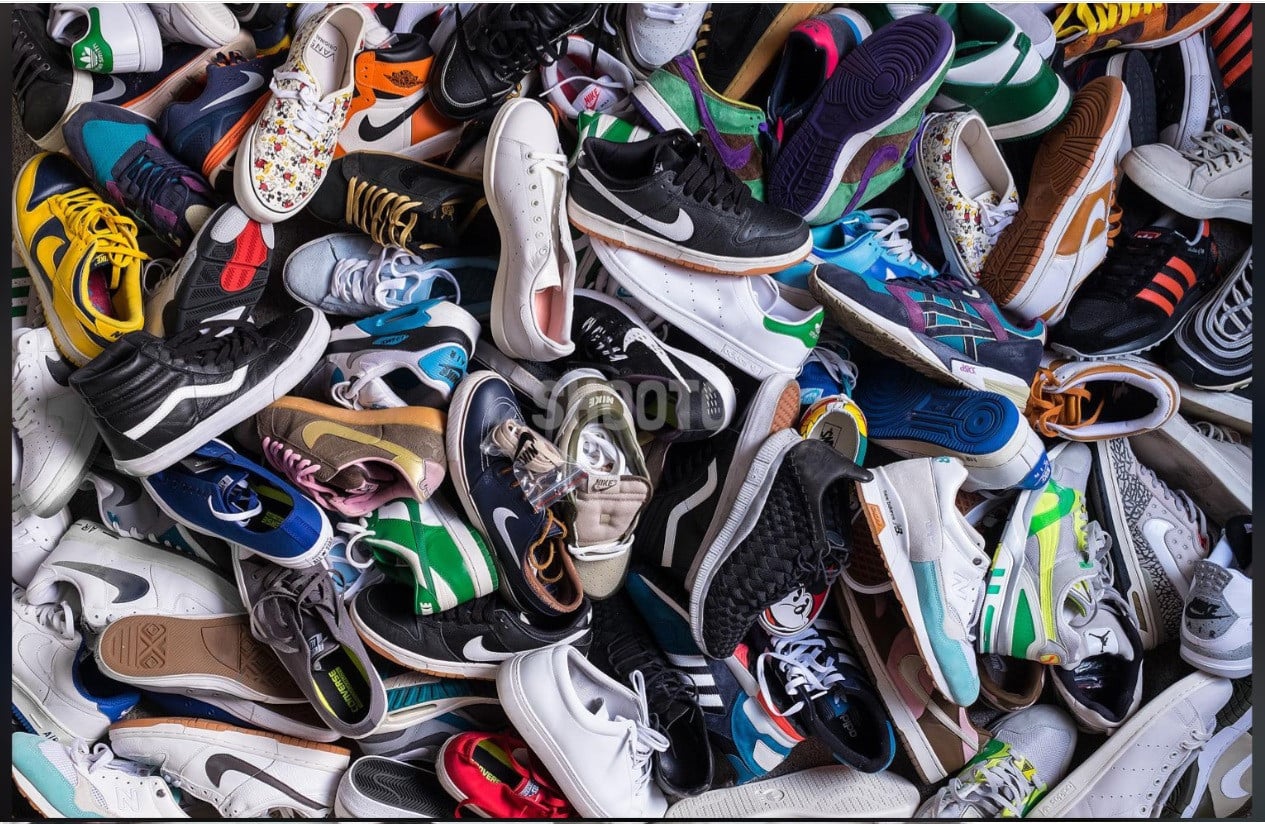
You see sweatpants paired with oversized hoodies. You see sneakers everywhere—clean white, retro, chunky, performance and worn-in or designer-distressed ones (these are designed to look worn-in like when you put 30 things on your face to create the no-make-up look). The sneaker— once a subcultural artifact seen on basketball courts, skate parks, running tracks—has become the most universal garment in the world. It crosses class, geography, age, and profession with unusual ease.
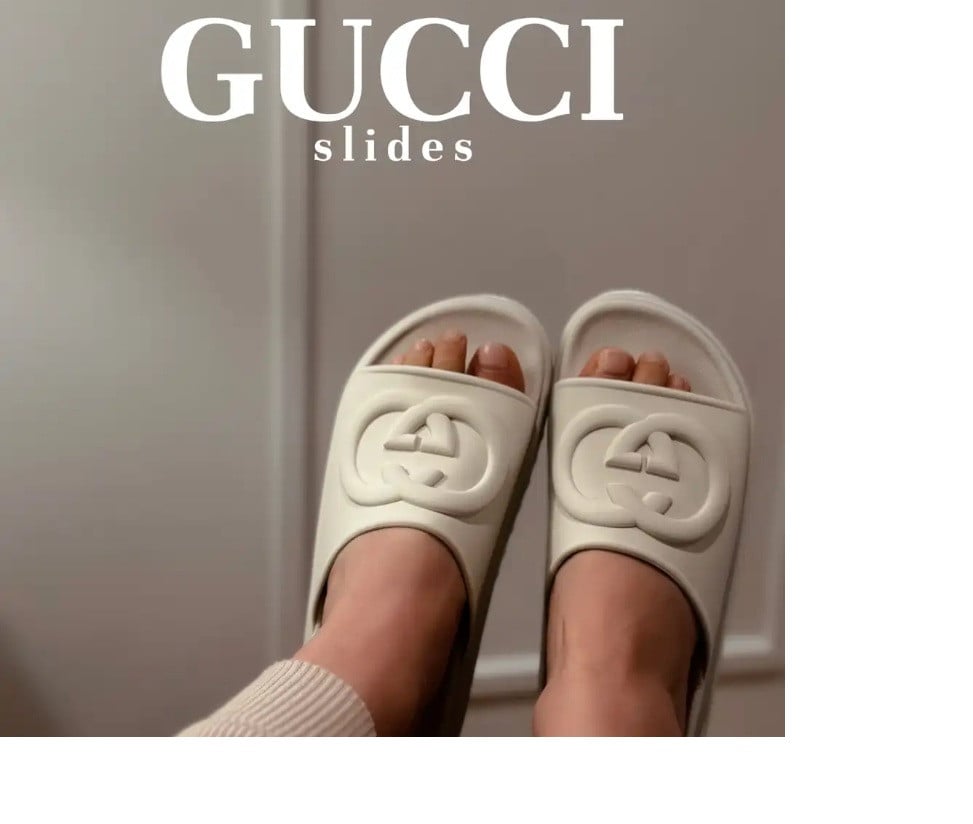
The most telling shift was the slide into soccer slippers. Rubber sandals or slides—call them what you will—moved out of the bathroom and onto the street. Today you can buy the most expensive and comfortable slides that promise cloud lightness and jelly-like softness. The world started walking in footwear that once signified “I’m off duty,” even when it wasn’t.
What once belonged strictly indoors now moves confidently through public space. Backpacks slung over casuals that blur the line between “home clothes” and “going-out clothes”, replacing briefcases and purses.
For over a century, the suit functioned as a kind of social architecture. It signalled discipline. Structure. Professionalism. Predictability. Even aspiration. People even wore hats with suits to complete the outdoor look. Can you imagine the 1950s’ world depicted in Mad Men dressed in today’s wardrobe of sweats and slides!
But the suit depended on a world that was itself structured—nine-to-five offices, physical meetings, and hierarchical visibility. Once that world fragmented, the suit began to feel like a costume from a play no one was performing anymore. Menswear, historically the most conservative territory, began to shift. Tailoring softened. Shoulder lines relaxed. Waistbands gave way to elasticity. Jackets became unconstructed, lighter, and less rigid, not trying to dominate the body but to accommodate it. Shirts loosened collars. Trousers widened. Hybrid work accelerated this collapse. When people split their lives between home and office, clothing had to do something new: it had to adapt, not impress. The message was subtle but radical, that you didn’t need to be contained to be taken seriously.
Even in offices that still demand a certain polish, the stiffness is gone. Blazers are softer. Shirts are looser. It is dressing, but without the tension of dressing up and being a bit uncomfortable in your clothes. And what’s most striking is not any single item—it’s the collective mood.
This is the quiet uniform of the post-pandemic world: comfort-led, function-driven, and globally synchronised in a way fashion has never quite been before.
The shift happened somewhere during the Covid pandemic. There was a moment when the stiff suit stopped making sense, and was chucked out of the window in a moment of suspension, repetition, and bodily forgetfulness that came from lockdown life.
No one declared its death. No funeral. No final runway bow. It simply began to feel out of place in a world where offices emptied, meetings migrated to screens and commutes collapsed into short walks between bedroom and desk. Somewhere in that shift, clothing stopped pretending it was only about appearance. The pandemic didn’t just disrupt fashion. It rewired the logic behind dressing.
Thank goodness, what emerged in its place was not chaos, but something more coherent than expected: a global recalibration toward comfort and function. Clothes began to ask, “Is this comfortable? “Can I live in this all the time?”
Out came sweatpants, sneakers, hoodies, slides—what some still dismiss as casual wear, but what has quietly become the new uniform of modern life. Once confined to gyms, student hostels, and lazy Sundays, they slipped into weekday existence. At first, they were hidden under Zoom frames and carefully cropped camera angles. Then they came closer to the camera. Soon cameras were turned off. Who cares what you look like and what you wore!
In our part of the world emerged co-ords, sweat pants, tees for home and casual outings, polos and tie-less shirts for men at workplaces, with softer silhouettes for women. What remains is softer, lighter, more forgiving. It is not rebellion. It is adaptation. Workwear has absorbed the logic of homewear. The boundary between “professional” and “personal” dressing has blurred beyond recognition.
In today’s hybrid wardrobe, comfort is no longer the absence of style. It is style’s new foundation. Sweatpants are not “downgrades” from trousers anymore; they are alternatives with equal cultural legitimacy. Sneakers are not substitutes for dress shoes; they are the default reference point from which other footwear now borrows relevance. Even the language of fashion has shifted. Words like “effortless,” “relaxed,” “soft tailoring,” and “easy fit” are now marketing gold. What used to signal negligence now signals modernity. And actually, looking comfortable now reads as being in control.
“As someone who has worked across both local and international fashion industries, I have seen a massive shift in how people approach clothing, especially after the pandemic,” notes Faizan Dar, a creative director of one of Pakistan's leading fashion and textile brands.
“Once the work-from-home culture became normal, the lines between homewear, workwear, and social dressing started to blur, and people naturally moved towards clothing that feels more relaxed, comfortable, and practical without losing a sense of polish. At the same time, consumers are becoming far more conscious about overconsumption, so instead of buying more, they are investing in versatile pieces they can style in multiple ways.”
Luxury brands now build entire identities around comfort wear. Tech workers wear them like uniforms. Students treat them as identity markers. Executives pair them with suits to signal modern leadership rather than rebellion. This was not just fashion being casual. This was fashion being rewritten.
Hybrid wardrobes
If the old wardrobe was about categories—formal, casual, work, leisure—the new wardrobe is about overlap, besides functionality and comfort.
A blazer now lives with a hoodie. Sneakers sit under tailored trousers. Joggers pass as acceptable airport wear and sometimes even office wear, while cotton and lawn ghararas team up with loose-fitted short shirts, and women love to cavort in co-ord sets that look like glorified jammies. The same outfit is expected to survive a Zoom meeting, a grocery run, and an evening out without protest. This is the rise of the hybrid wardrobe: clothing designed not for a single context, but for multiple realities.
Function has become design intelligence. Elasticity is no longer laziness; it is engineering. Breathable fabrics, stretch textiles, wrinkle resistance, modular layering—all of these are no longer niche innovations. Buckles and belts got replaced by velcros and drawstrings. These are baseline expectations. Fashion no longer asks, “What occasion is this for?” Instead it asks, “What kind of day is this going to survive?”
A generation that learned to work from bedrooms and kitchen tables no longer sees why clothing should feel like armour. And companies, knowingly or not, have followed suit—literally by relaxing dress codes and symbolically by accepting that productivity is no longer tied to stiffness.
There is a misconception that comfort-based dressing leads to excess sloppiness. The reality is more interesting. When function becomes central, wardrobes often become smaller, sharper, more intentional. Fewer items, more versatility. Clothes that do more jobs. Pieces that move across contexts.
In this sense, post-pandemic fashion is not less disciplined—it is disciplined differently. What makes this shift powerful is not just what people wear, but what it says about authority. Dressing up once meant respect—for institutions, for hierarchy, for visibility. Dressing down now does not necessarily signal disrespect. It signals fluency. Fluency in movement. In uncertainty. In hybrid life. The modern body is no longer anchored to one place. It travels between roles all day. Clothing, accessories, make up and hair had to follow. Hair styling changed from poker straight to soft waves. Remember salons were shut during the pandemic and people went without haircuts for months. Consequently, the silver fox trend and more manageable, less worked-on hair emerged and is now a preference.
For designers, this means rethinking garments as adaptive systems rather than fixed objects. For brands, it means designing for movement between contexts, not single occasions. For consumers, it means building wardrobes that behave like ecosystems rather than inventories. And for the industry at large, it means accepting a simple truth that the world no longer dresses for appearances alone. It dresses for how it lives.
The next hacker
If the pandemic cracked open the rules of dressing, climate change may be the force that tackles the next rewriting task. Because the next disruption is not a cultural or a medical crisis. It is actually environmental.
“Since Gen Z is becoming the key target audience, they are also far more mindful about sustainability, environmental impact, and making smarter purchasing decisions” points out Dar.
The question is no longer just what we wear to work, or how we balance comfort and function. It is what we can physically endure wearing in a warming world where summers stretch longer, heatwaves arrive harder, and indoor-outdoor boundaries blur even further.
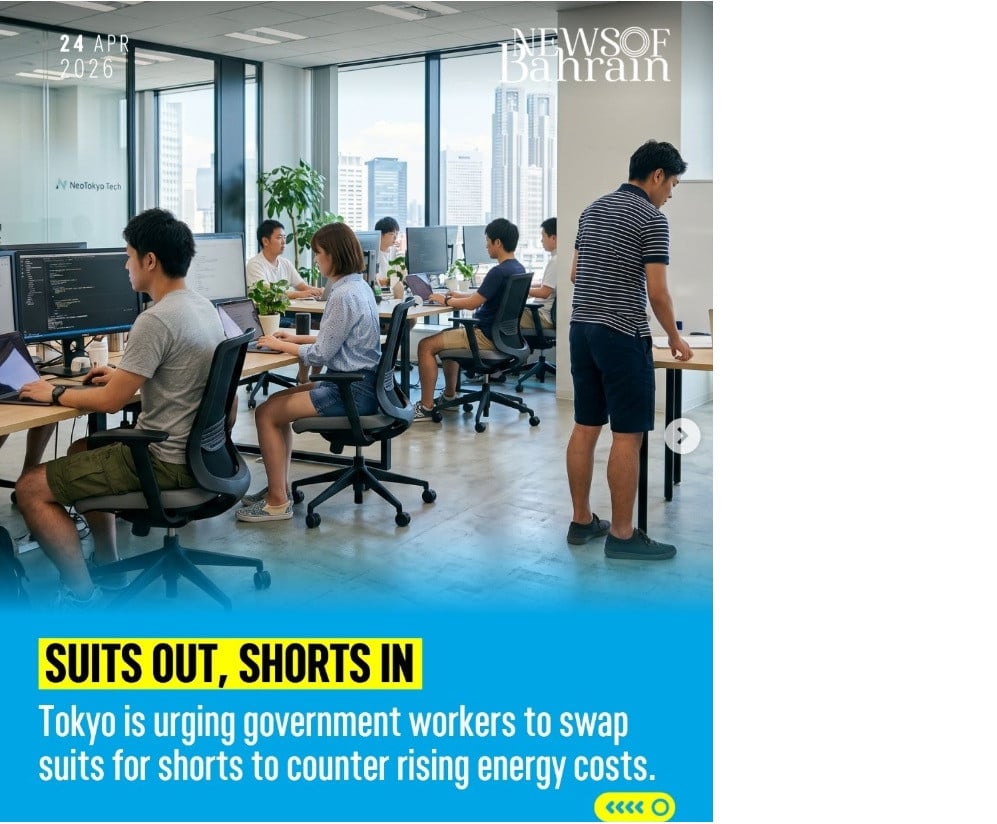
In other words: fashion is about to be dictated not only by lifestyle, but by temperature. Japan, for instance, has officially updated its ‘Cool Biz’ dress code to allow government employees to wear shorts and sneakers to the office. Spearheaded by the Tokyo Metropolitan Government, the policy reflects a very practical shift: how do you keep people working when the climate itself is becoming the constraint?
The expanded framework now permits polo shirts, T-shirts, sneakers, and shorts in government offices. The aim is simple but significant—reduce dependence on heavy air conditioning, lower energy consumption during peak summer demand, and keep workers physically comfortable in increasingly extreme heat. What began as a modest experiment in relaxed officewear has now become a climate-adaptive dress strategy.
And it is no longer confined to the public sector. Private companies—especially in tech, design, and creative industries—are quietly adopting similar codes. The logic is straightforward: productivity cannot survive discomfort, and discomfort is becoming seasonal reality rather than exception.
Dar believes that rising temperatures, changing lifestyles, and even economic realities are pushing wardrobes to become more adaptive and intentional. “People are shopping much smarter now,” he says. “They want multifunctional pieces that are lighter, breathable, and versatile enough to transition easily from work to travel, social settings, and everyday life instead of investing in heavily trend driven or occasion based clothing. There is also a stronger focus on natural fabrics, wrinkle resistant materials, relaxed tailoring, fluid cuts, and silhouettes that offer comfort while still feeling refined, especially in warmer regions where airy construction is becoming the new idea of luxury. To me, the future wardrobe is less about excess and more about individuality, functionality, emotional durability, and smart styling that fits seamlessly into real life.
Perhaps that is the final direction fashion is heading toward—not formality or informality, but responsiveness. A wardrobe that shifts with work, with life, and increasingly, with the weather itself. So if the pandemic taught us how to dress for a changed world, climate change may ultimately decide how much of that world we can still dress for at all.
Additional reporting by Hammad Sarfraz