
Gold, in the subcontinent, has always been much more than just a metal you can buy and sell—it’s embedded in our social and emotional lives. It lives in velvet-lined boxes that smell faintly of stale attar and old wood, in musty bank lockers visited before weddings, in the quiet arithmetic of mothers who expertly weigh bangles against their children's futures. It is flashed loudly—stacked on wrists, layered at the throat—but its meaning is often whispered: security, status, love, insurance against an uncertain tomorrow.
Gold is a store of value, yes, but it’s also intertwined with a family’s financial planning, social status, and traditions. This cultural symbol represents love, security, and continuity across generations. Bangles, necklaces, and coins are more than adornments—they carry identity, pride, and memory. As jewellery, it is personal and emotional. Families invest in it for daughters, pass it down as heirloom with pride, and rely on it during uncertainty.
A wedding worth in gold
For many families, the biggest expense in a wedding is gold, not the venue, not the food, not even the dress. The gold that will adorn the bride is a tangible sign of her worth and a reservoir of security for her future. In fact, when a daughter is born, it is common for mothers to begin saving and investing in gold from day one, quietly building the trove that will later be transformed into bangles, necklaces, and coins for her wedding. Every festival, every Eid, every achievement or milestone that a daughter accomplishes, the family rewards her with gold– and every small bonus is an opportunity to add to this private, glittering inheritance.
Across Pakistan and India, gold is less a commodity than a companion to life’s milestones. Families give it at births, at Eids, at moments when words feel insufficient. To give gold is to give something that endures, something that can be melted, reshaped, passed down—never quite lost.
But beneath the shimmer lies something more pragmatic, even quietly defiant. For generations of women in the subcontinent, gold has doubled as autonomy—wealth that could be held, hidden, or reclaimed when other forms of ownership were denied or uncertain. Even today, in a country navigating inflation and currency swings, gold remains a fallback language of stability, a way to store value when everything else feels negotiable.
Which is why, when conflict erupts far from home—between nations like Iran, the United States, and Israel—it does not feel distant. It arrives at our door, instead, at the price of a tola. In the hesitation before a purchase. In the recalibration of wedding budgets and inheritance plans. Because here, gold is not just reacting to war. It is absorbing it.
Is gold affected by war?
Gold prices fluctuate during wartime because, despite its traditional role as a "safe haven," it is heavily influenced by competing financial forces—specifically the US dollar, interest rates, and the need for market liquidity.
While geopolitics might initially drive gold prices up, the subsequent economic impacts of war often trigger selling, leading to high volatility. Here is a breakdown of why gold fluctuates during conflict:
Rising interest rates and inflation
War often causes oil prices to spike, and this one in particular because of the closure of the Strait of Hormuz, which increases inflation concerns. To combat this, central banks raised interest rates, making non-yielding assets like gold less appealing compared to interest-bearing assets like Treasuries.
Stronger USD
In times of crisis, investors often rush to the US dollar as the ultimate safe haven, not gold. A strengthening dollar makes gold more expensive for international buyers, reducing demand and lowering prices.
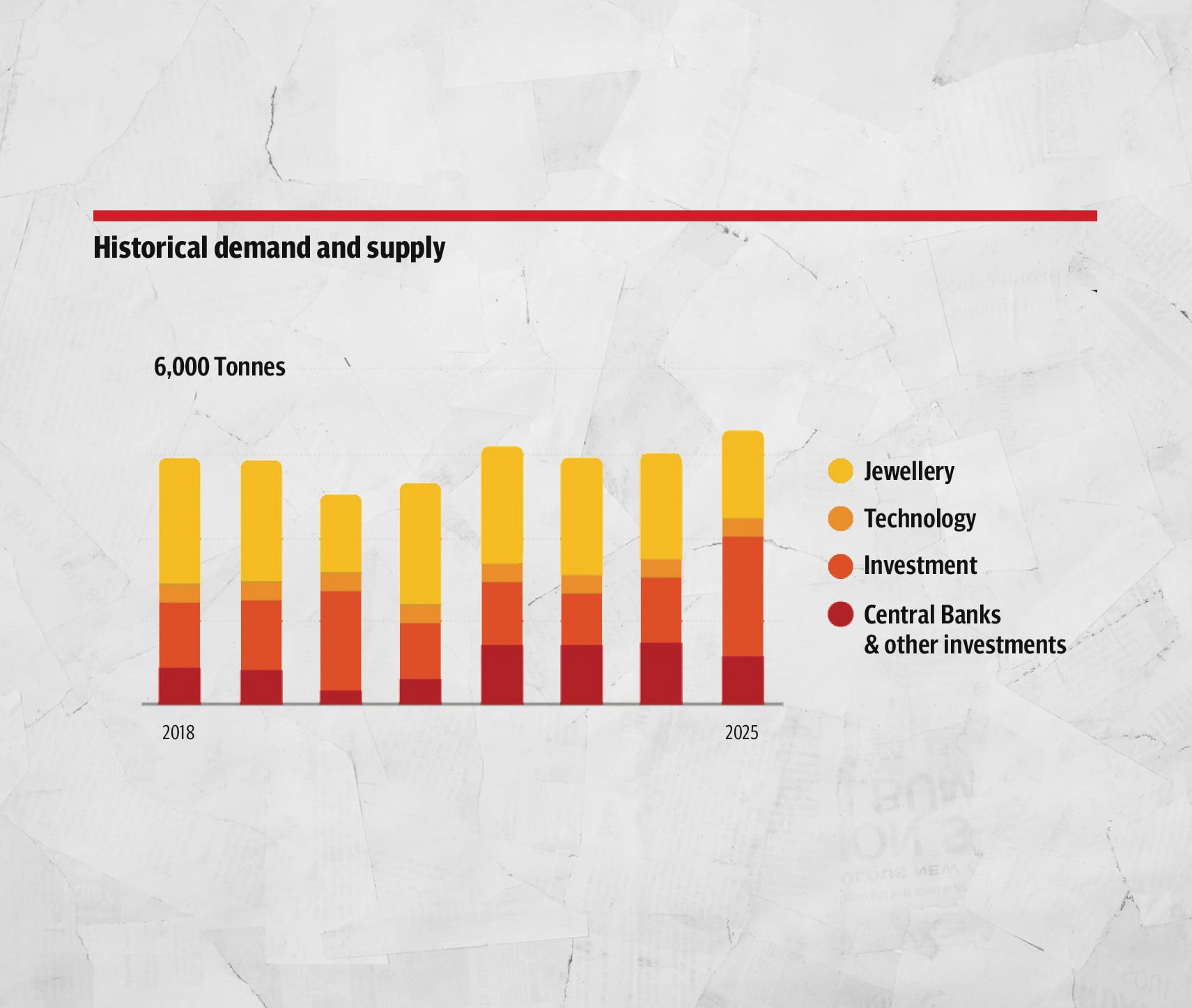
Profit-Taking and Liquidity Needs: If a conflict follows a period where gold has already hit record highs, investors often sell gold to take profits. Furthermore, if investors face losses in other areas (stocks, crypto), they may sell their gold holdings to cover margin calls, causing rapid price drops. Early phases of a conflict often see a "fear markup" where gold spikes, but as the situation becomes clearer, the price corrects, leading to high volatility.
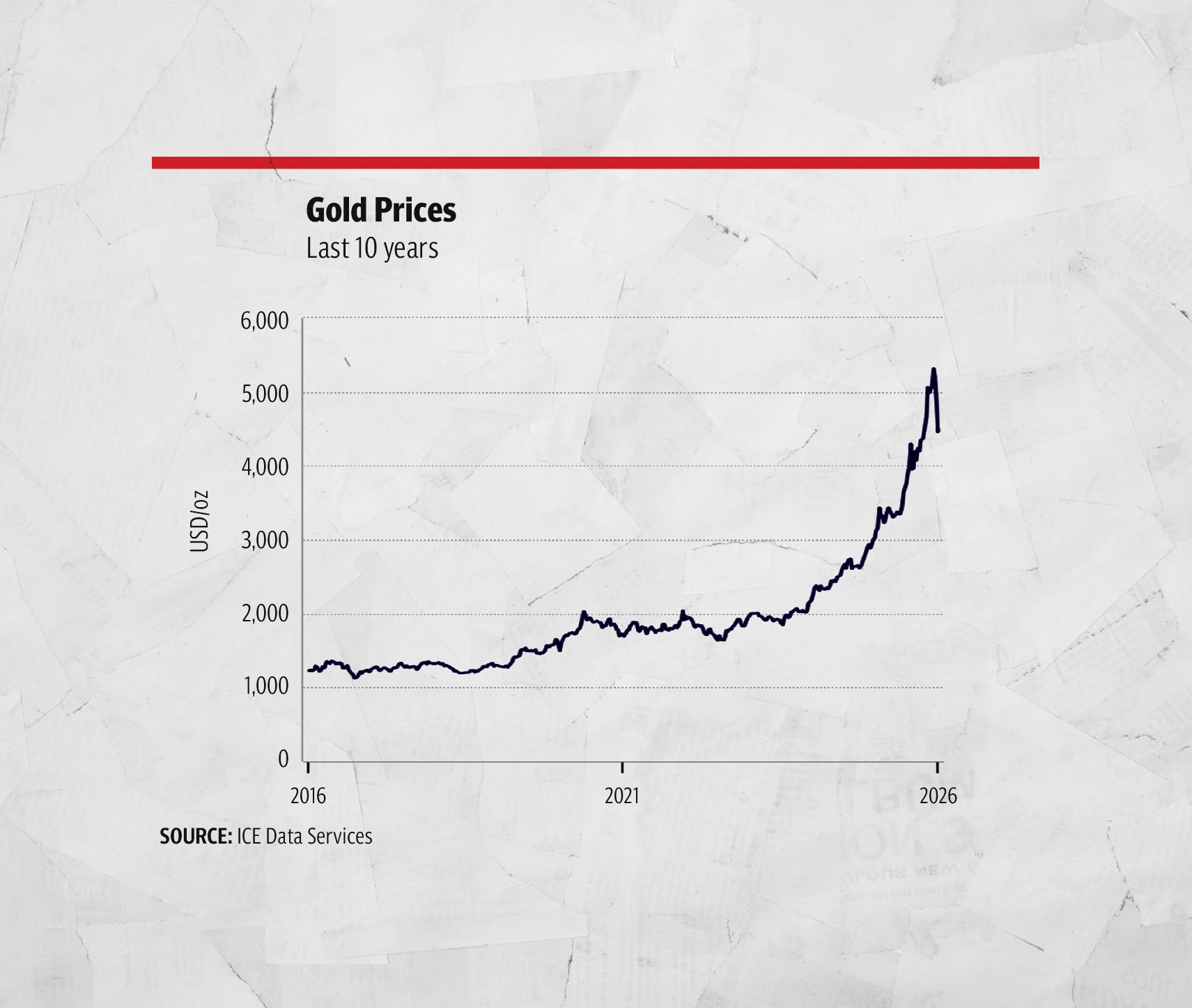
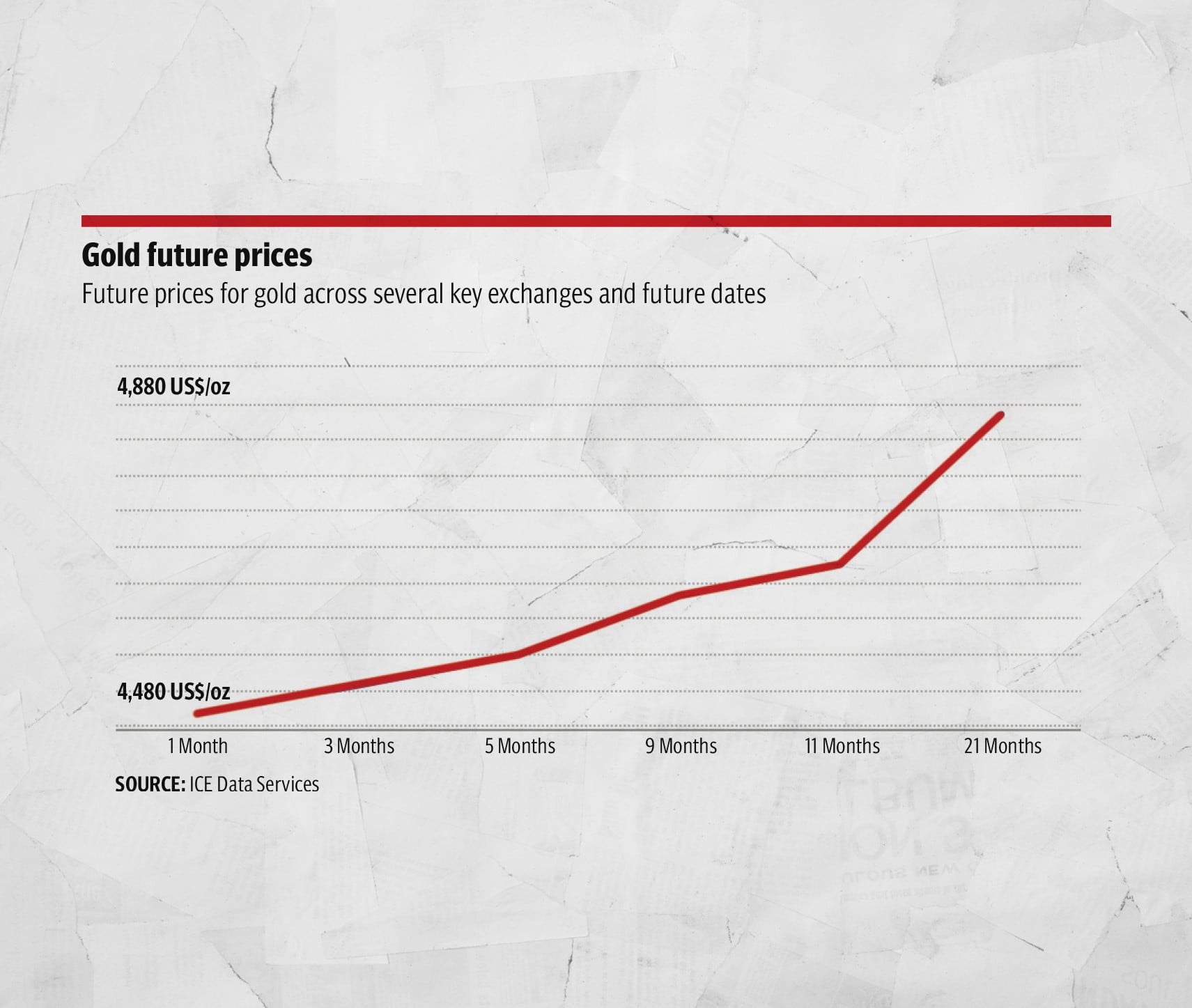
Despite short-term volatility and drops, gold often holds value over the long term during prolonged conflicts, especially if central banks respond to a resulting recession with rate cuts or if central banks (like China) use the conflict as a reason to reduce dependency on the USD.
While a sharper decline in gold prices has come post the February 28 Middle East conflict, silver has also mirrored this trend with a steep decline.
Volatile or fluctuating gold prices have made wedding planning increasingly unpredictable for families. Even after a recent dip, gold remains far more expensive than it was just a few years ago, putting it out of reach for many. Combined with the escalating costs of putting together dowries, lavish venues, and overwhelmingly “filmi” ceremonies, it has turned marriage into a eginormous financial strain. For countless young people, these pressures are not just burdensome—they are postponing weddings altogether, although it would be sensible to trim the expenses down.
The wedding industry in Pakistan is a massive, booming, multi-billion-rupee economic engine, with annual spending estimated between 900 billion rupees and over one trillion rupees. Yet, the soaring gold prices—are not only affecting it but also personal finance because gold acts as a personal wealth fund for families.
A 2020 Gallup Pakistan survey revealed that in urban centres such as Karachi, Lahore, and Islamabad, many in their late 20s and early 30s are postponing major purchases, from homes to cars, because significant savings are tied up in dowries and wedding expenses. The Punjab Women’s Development Department reports that over 50 percent of women above 30 remain unmarried due to these financial pressures.
In rural areas, where incomes are lower, the impact is even sharper. Families struggling to meet dowry expectations—including large amounts of gold—are increasingly unable to invest in housing or save funds.
Many young men delay both marriage and major investments, because they are unable to meet rising gold and wedding expenses.
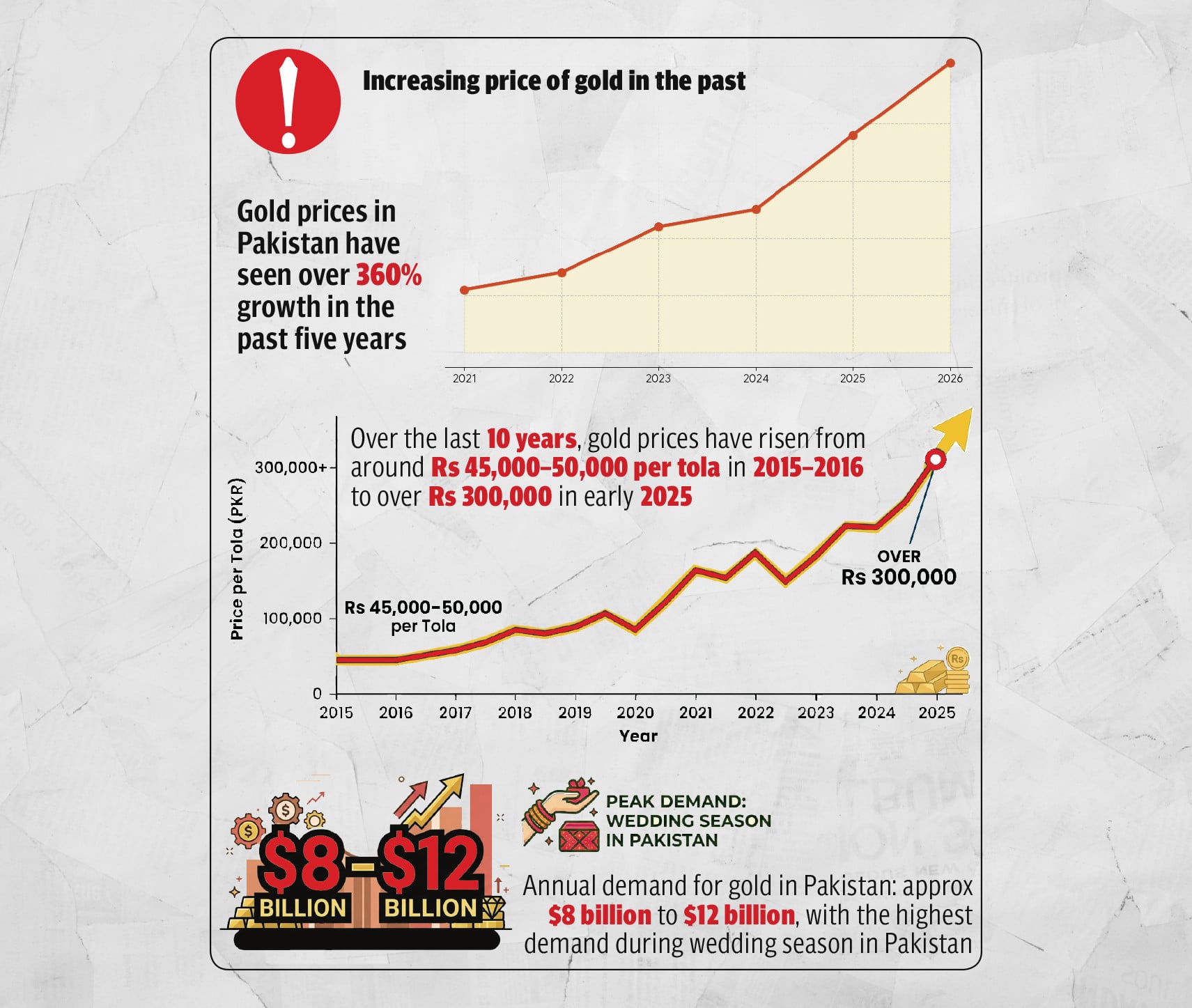
“We have heard from our elders and seen it in practice also that gold comes in handy during difficult times,” says 66-year-old Nasreen Kosar, a resident of Liaqatabad. In the past, when gold prices were low, people would save small amounts of money to buy gold, and when a problem arose and there wasn’t enough cash to solve it, they would sell the gold to cover their expenses. But now, the price of one tola of gold has risen above 470,000 rupees.”
Buying gold has become a dream for the poor and middle class. Kosar added that due to the current poor economic conditions and lack of job opportunities, the middle-class is trying to improve their finances by starting a small business or buying a vehicle, through their family gold investment. If they have gold at home, they can sell it and use the proceeds to start a small business easily. “Something similar happened in my family. My son lost his job, but he knew how to drive, and had four tolas of gold that my mother had given to me as a wedding gift. It came in handy during difficult times. Selling the gold, which was bought at a lower price in the past, brought us a decent profit, which my son used to buy a car. Today, thanks to that gold, our household is running smoothly.”
Forty-year-old Noshin Khan from Keamari shares that, no matter which community a family belongs to, women often take pride in having some amount of gold.It is a tradition to give gold to girls during weddings. Nowadays, middle- or lower-class families cannot afford to give gold at weddings. “That is why, presently, a lot of people melt down family gold, reshape it, and then give it as gifts in their daughters’ wedding.”
Since gold prices in Pakistan have skyrocketed, people now give silver or artificial jewellery instead of gold during weddings, observes senior journalist Mushtaq Sohail, who reports on social issues. “I too, due to my financial position, gave away artificial jewellery at a family wedding.”
According to Sohail Rafiq, a jeweller, rising gold prices have severely affected our business. “Those who give gold to their daughters at weddings often melt family jewellery and redesign it, which incurs initial costs ranging from 50,000 to 200,000 rupees or more,” he shares. “Giving silver and other artificial jewellery at weddings has become increasingly popular, with modern artificial jewellery sets costing anywhere from 5,000 rupees to over 100,000 rupees. “The middle class buys artificial jewellery valued at less than or more than 50,000 rupees for weddings. At present, a set of at least two tolas costs around 950,000 rupees, enough to cover the weddings of two daughters. Due to rising gold prices, people are now buying silver as a safe investment, but even the price of silver per tola has increased beyond 7,000 rupees. If gold prices continue to rise, people will stop giving gold at weddings or other celebrations. However, artificial jewelry offers a good profit margin, which is why jewellers are increasingly focusing on it.”
Minister of State for the Islamic Republic of Pakistan and Chairman of the Reforms & Resource Mobilisation Commission, economist, fellow chartered accountant, Ashfaq Tola, pointed out that the global economy is currently fluctuating due to war and other issues. “When the economic situation worsens, it negatively affects currencies worldwide,” he says. “Gold is considered a safe investment in such circumstances. This is why the wealthy often prioritise buying gold to secure their assets, and in difficult times, if the value of currency drops, they can sell the gold to earn a profit and address their financial problems. Gold is an investment that can be easily converted into the currency of any country.”
Currently, there is a growing trend worldwide where affluent individuals are purchasing gold to safeguard their money through secure investments. Tola noted that in Pakistan, gold prices have increased dramatically over the past two years. “In Pakistan, only the wealthy can afford gold,” he says. “The rise in gold prices has adversely affected the livelihoods of people associated with the jewellery trade, forcing many to shift to artificial jewellery. Currently, over 70 percent % of the population cannot afford the new gold price, and more than 50 percent of those in the jewellery business have been impacted by rising gold prices.
“People are now buying silver and gold as safe investments, which is why their prices are also increasing. He concluded that the country’s economic situation is improving, the currency is under control, but there is a need to create employment opportunities and boost investment across various sectors.
Affirming that gold continues to hold a dominant position as a preferred safe-haven asset in Pakistan, driven by its strong historical returns, ease of transaction, and resilience during economic uncertainty, Abdullah Abdul Razzaq, a member of All-Pakistan Gems and Jewellers Sarafa Association (APGJSA) pointed out that gold prices have witnessed extraordinary growth over the years. "We have seen annual increases, in some cases ranging between 100% to 200%, reinforcing investor confidence. This consistent upward trajectory has shaped public perception, making gold one of the most trusted stores of value, particularly in an environment marked by inflation, currency depreciation, and financial instability."
According to him, one of the key reasons for the popularity of gold over other asset classes, such as real estate, stocks, or government bonds, is its simplicity and accessibility. "Unlike property transactions, which require extensive verification, documentation, and legal processes, or stock market investments that involve formal account setups and regulatory procedures, gold can be purchased instantly without paperwork or bureaucratic hurdles," he shares. "Its compact nature and high liquidity further enhance its appeal, as it can be easily stored, transported, and converted into cash whenever needed. These characteristics make gold especially attractive to Pakistani investors who prioritise convenience and security."
Since the gold market in Pakistan is currently facing multiple challenges stemming from both domestic policies and international developments, Razzaq highlighted that import and export activities have been severely disrupted, partly due to ongoing tensions in the Middle East and partly due to the heavy burden of duties and taxes imposed on the sector. "These restrictions have constrained trade flows, reduced market activity, and, at times, led to unusual situations where gold was sold below cost due to weak demand and limited liquidity," he notes, emphasisng that if the government revisits these duties and reduces the tax burden, it could help stabilise prices, revive trading activity, and make gold more accessible to the broader population.
On the global front, Razzaq explained that international price movements have a direct and immediate impact on local markets. During periods of geopolitical tension or conflict, investors worldwide rush toward gold as a safe-haven asset, driving prices higher. This trend is mirrored in Pakistan, where rising global prices translate into higher local rates. However, this also creates a paradox: while gold becomes more attractive as an investment, it simultaneously becomes less affordable for the average consumer. As a result, local demand often declines during price surges, as buyers delay purchases in anticipation of potential corrections.
This dynamic is particularly evident during the wedding season, traditionally a peak period for gold consumption in Pakistan. " We can see a sharp increase in prices has significantly altered buying behaviour, with middle- and lower-income households increasingly turning to imitation jewellery as a substitute," says Razzaq. "Others are opting for silver jewellery as a more affordable alternative. He estimated that nearly 80% of traditional gold-related wedding business has diminished, with only about 20% to 25% of consumers still purchasing gold for such occasions. Even within this segment, there is a growing preference for buying gold as an investment rather than for ornamental use."
Although silver jewellery is emerging as a new trend in response to changing geo-political and economic dynamics, people are gifting pure gold bars instead of traditional gold sets. "This approach allows them to maintain cultural traditions while ensuring that the value of the gift is preserved and can be utilised in the future if needed," says Razzaq. "It reflects a broader shift in mindset, where practicality and financial security are taking precedence over purely decorative considerations."
Razzaq also discussed the role of taxes and religious obligations, emphasising that while taxes are an unavoidable global reality and a civic responsibility, they are unlikely to significantly alter long-term demand for gold. Similarly, he highlighted the importance of Zakat, noting that for believers, fulfilling this obligation not only ensures spiritual satisfaction but is also seen as a means of financial stability and growth.
Looking ahead, he observed a clear generational shift in preferences. Younger investors, Gen Z, both in Pakistan and globally, are increasingly inclined toward pure gold as an investment asset, rather than traditional jewellery. This trend aligns with a broader global movement where individuals are diversifying into assets like gold and even alternatives such as digital currencies, seeking protection against economic volatility. Overall, gold in Pakistan is evolving from a cultural and ornamental commodity into a strategic financial instrument, shaped by rising prices, policy challenges, and changing consumer behaviour.
Gold, once a promise you could wear, is fast becoming a privilege you can only watch from afar.
With additional reporting by Usman Hanif