
The onset of Ramadan brings a certain joy — families gather for iftar, and evenings stretch into outings and time with loved ones. But since the conflict in Iran began, a pall of grief has spread across much of the Middle East. Missiles fired from Iran in retaliation have left residents, including thousands of expatriates, many of them from Pakistan, confronting what feels like an unexpected battlefield.
Until just last week, many had planned their weekends differently. Instead, life turned into a nightmare as residents woke to wailing emergency sirens. Governments across many midde eastern capitals urged residents to stay home and remain alert.
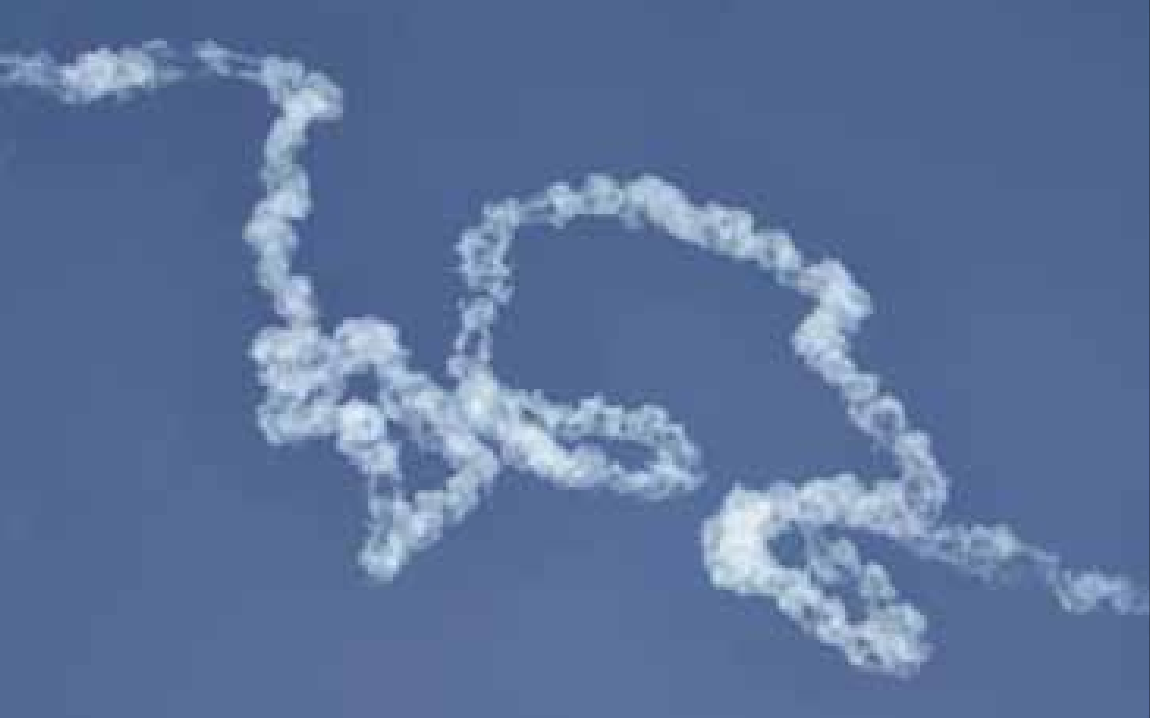
“Usually, Ramadan mornings are slow, and on a day off we tend to wake up late,” says Iqra Saleem, who lives by the Corniche in Doha. “But there was a loud bang, and phones started blaring like fire alarms. When I looked out of the window, I could see smoke above my apartment building and red streaks in the distance over the sea.”
She added that police vehicles reached the main roads and started evacuating people from the beach, which was also clearly visible from her apartment building. Foreigners relaxing at beaches and pools were seen running to their hotels or safe spaces.
On February 28, after coordinated US and Israeli military strikes on Iran, major parts of Middle Eastern airspace were closed, including skies above Gulf states that serve as civil aviation hubs. Qatar’s airspace at Hammad International Airport in Doha was shuttered almost immediately, with missiles reportedly intercepted in the vicinity, a perfect example of how rapidly civilian systems can be swept up in military escalation.
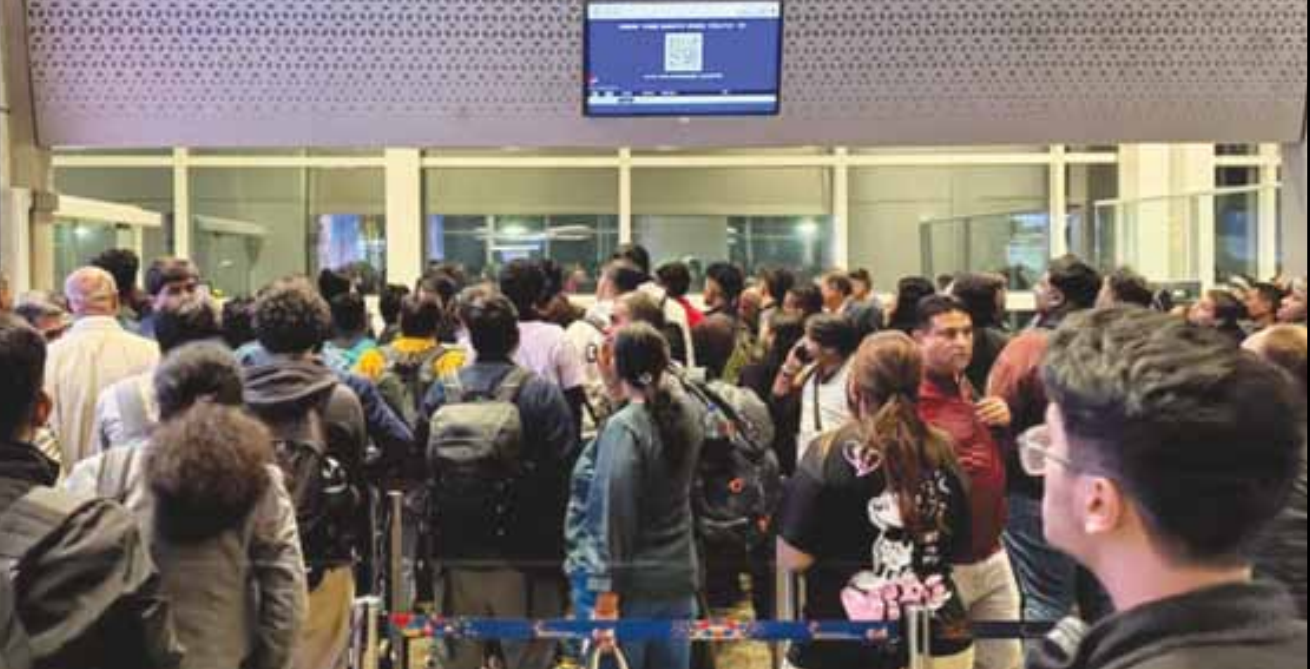
Countries that typically sit comfortably between continents, the UAE, Qatar, Bahrain, and Kuwait, suddenly found their skies a hostile territory, leading aviation authorities to ground or reroute flights as a safety precaution. Airlines around the world cancelled or rerouted services, and by some estimates, hundreds of flights were cut daily at peak disruption.
For Pakistan, the effects were tangible as the national carrier PIA suspended flights to the UAE, Bahrain, Kuwait, and Qatar, citing the evolving crisis. Only flights to and from Saudi Arabia continued with altered routes.
The situation didn’t change even after three days, and Saleem kept receiving calls and messages from other friends and acquaintances in Doha, inquiring if everything was okay in other parts of the city. Soon, videos of missile interceptions and debris falling on a few residential settlements started circulating.
Unlike Doha, the on-ground war situation in Bahrain was very chaotic, with missiles hitting residential buildings downtown. People were asked to evacuate their apartments and move to shelter houses. “It was around 8 pm on Saturday when an intercepted missile hit the building a few metres away from ours,” says Asif Ahmed, a father of two. “What followed after a loud bang was just debris and dust clouds. Dozens of cars were destroyed, and people just stood clueless, many accompanied with children.”
Ahmed also shared that they were asked by the ministry to evacuate their building and move to a shelter house. Initially, they spent a few hours in their car and were only able to take passports with them, but after a few hours of the haphazard situation, they decided to go to a friend’s house.
“I never thought I would see this day when I moved to Manama, 13 years ago with my family,” says Ahmed. “My daughters are scared and want to return to Pakistan. I don’t have much explanation to console them, now that they have seen buildings being hit by missiles. This trauma will stay with them for some time and maybe they will never be able to erase that horrible night from their memories.”
Ahmed’s situation didn’t change for the next three days, as the ministry didn’t allow them to return home to their building. They have been living in a hotel for the time being and were only allowed to go home for a few hours to collect a few essentials. “Due to the airspace closure, we are unable to go back to Pakistan, and with the Pakistani passport visa issue in Saudi Arabia, we don’t have that option either. Some people are going to Dammam from Bahrain and flying back to their respective countries from there.”
Across the region, airspace that once served as one of the world’s busiest civil aviation corridors has been shut, reopened, and tightened again in response to escalating military strikes between the United States, Israel, and Iran. These closures have paralysed travel plans, overturned urgent family reunions, delayed business trips, and exacerbated fears over safety and livelihoods.
For many Pakistanis, the Gulf isn’t just a workplace, it’s a destination for spiritual journeys. Umrah pilgrims who had planned to visit Makkah or Madina found themselves stuck in transit, unable to return to their pilgrimage cities or back home, as flight schedules crumbled under the weight of geopolitical tension.
From stranded workers in Dubai to families stuck in Doha, to pilgrims whose sacred journeys have stalled due to a lack of safe flights, this is the human face of a war that is felt far beyond battlefields. “I had a connecting flight to Madina from Qatar Airways, but when my first flight from Karachi reached Doha, the airspace was closed, and now I am stuck because I can neither fly to Madina, nor back to Karachi,” reveals Javeria Ilyas, who is staying at a hotel and trying to somehow enter Saudi by road so that she can either fly back to Karachi from there or continue her Umrah journey with her elderly parents who are travelling with her.
Ahmed, a 32-year-old construction worker from Lahore, had been planning to reunite with his wife and young daughter in his hometown for Eid when the chaos erupted. He had secured leave and bought return tickets months in advance. But as soon as news of airspace closures spread, he was not sure whether he would be able to return home for Eid or not. “From my balcony, I have seen missiles flying and getting intercepted in the sky,” says Ahmed. “It is scary because I have not witnessed anything like this in my 10 years in Dubai, which is considered the safest and most secure city in the world.”
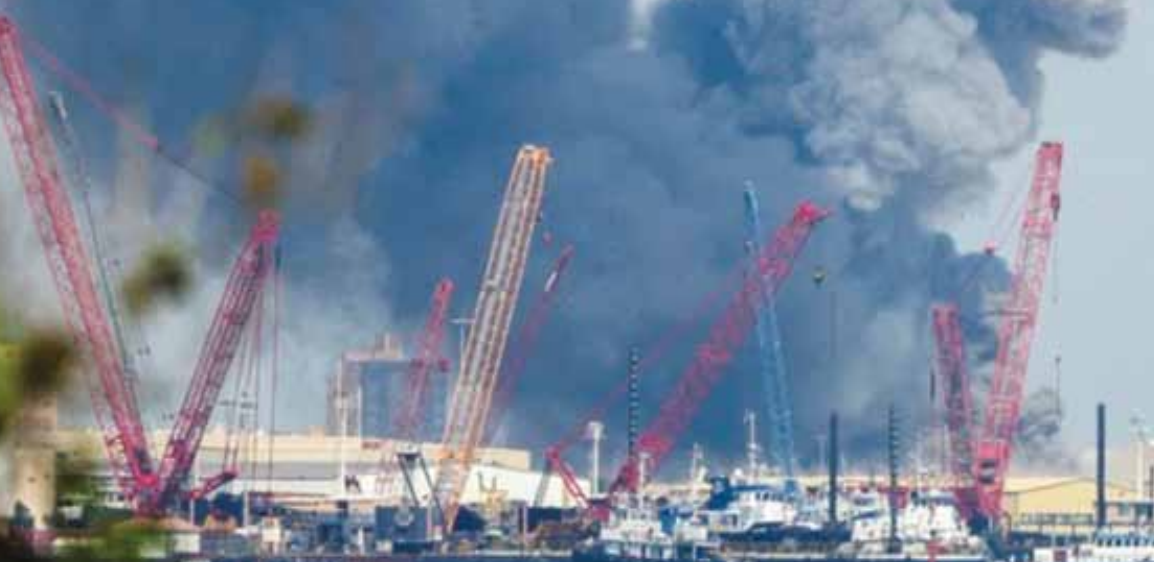
He added that when the American consulate in Dubai was hit, it came as a shock because it was so unprecedented. Many people, like Ahmed, are trying to leave the country via the Saudi route.
“As soon as I heard the first blast, I started receiving calls from my family who are in Qatar,” says Umaima Asif, a university student in Dubai. “They asked me to move to my uncle’s house in Sharjah.” She shared that several friends of hers had flights out of UAE the same day but they were stuck in the hotel lobby near Dubai International Airport for three days. Later, they were offered a stay in the hotel as they didn’t know when the flight would depart. They decided to take a flight from Abu Dhabi as that option was still open to them.
Ahmed says many Pakistanis stranded at the airport were losing hope, with accommodation becoming unavailable and money running out. Some were pilgrims returning from Umrah; others were workers trying to head back to Pakistan after contract completion. “There is fear,” he explains. “Not of the war, because we are far from where the missiles are, but of uncertainty. We don’t know when we will reunite with our families.”
Sumaira Aleem had stopped in Doha for a short layover en route to Canada. The plan was a simple two-hour break, a quick meal, and an onward flight home. But within 90 minutes of landing, Hammad International Airport was ordered to cease civilian flights, and her onward journey vanished.
“We were told to deplane and wait, with no departure time and no travel updates. The ministry extended all visas in this situation to help the stranded people,” she said, adding that on her Pakistani passport, she got a visa on arrival. But, for her, living in a hotel with two toddlers is expensive. Also she has no clue as to when she can fly back to her home. “We see missiles being intercepted in the sky at night, smoke markers, anti-aircraft bursts. It’s scary when you hear that.”
Social media posts from other stranded passengers in Doha echoed similar experiences, such as chaotic updates, hotel reallocations, and tense, unplanned days waiting for flights that may not come soon. For many, the wide-open lounges and luxury shopping of Gulf hubs now feel like cages, while vibrant cities have turned into waiting rooms of anxiety.
As some Gulf skies remain partially open, others have adopted novel workarounds. Pakistan’s Deputy Prime Minister Ishaq Dar publicly noted that, though airspace closures remain a constraint, land travel corridors between Gulf states are still operational. People have been using flights into Saudi Arabia, where some internal air routes are functional, and then journeying by bus or shared transport to nearby capitals like Manama, Doha or Dubai.
“Flights from Riyadh were still moving, so some of us took a flight there,” Bilal Ehsan, who is travelling from Abu Dhabi to Riyadh. “We took a coach from the UAE border to Riyadh. It's a 10-hour drive, but at least we’ll move. I have booked a flight for Saturday morning. So far, flights from Riyadh to Pakistan are functional, and I am hopeful that I will reach home soon. Airport closures and the uncertainty is killing us.”
Lubna and her family planned her pilgrimage for almost two years. She sold savings, booked early, and prepared her heart for spiritual renewal. Then the war broke out. “We are stuck at Bahrain International Airport and might have to stay here for weeks,” she says softly. “I am thankful I got to pray.” Her children await her arrival, but for older travellers without access to work or support networks, the stress has been emotional as well as financial, as hotel bills rise and timelines stretch without clarity.
The disruption has not just been emotional, it has threatened livelihoods. Flights cancelled across the Gulf means workers having fixed schedules risk losing jobs if they cannot return on time. Similar concerns were reported among other expatriates, who fear work uncertainty and potential job losses due to being stranded at airports.
For those on short-term contracts or with family obligations, missing key days of work can trigger termination.
In response to the crisis, both the Pakistani and foreign governments have initiated special repatriation and evacuation flights. Qatar and other Gulf states, along with Western countries, have begun deploying operations to bring stranded residents home.
However, these efforts face logistical limitations due to fluctuating airspace permissions and ongoing military actions. Many evacuees have used alternative hub routes, flying first to Turkey or Saudi Arabia before onward connections, as direct flights to Pakistan remain limited.
Many Pakistanis who have a Saudi valid visa or are eligible for a visa on arrival with Saudi Arabia are trying to cross the Qatar, Bahrain, or UAE border to enter Saudi Arabia so they can take a flight to Pakistan. The cost per person for such road trips varies from 1,500 Qatari riyals per seat to 3,500 Qatari riyals per car that can accommodate four people. Other than that, many private companies are offering bus transfers from Doha, Dubai, Abu Dhabi, and Manama to Riyadh and Dammam with varying prices.
As diplomatic negotiations continue and ceasefire talks flicker on and off, travellers are left waiting. Airlines have resumed some limited operations in the UAE and Saudi skies, but no firm timeline exists for full airspace reopening.
For Pakistanis in the Gulf, whether workers, students, pilgrims, or families, the future remains uncertain. Some hope to return home within weeks; others brace for longer waits.