
Pakistan's marine fisheries sector, rich in biodiversity and coastal productivity, remains an example of structural inequity, provincial marginalisation, and short-sighted resource exploitation. Nowhere is this imbalance more visible than in Balochistan, a province that contributes the majority of Pakistan’s fresh marine fish catch yet receives only a fraction of the economic and export benefits. Most seafood exports are routed through Karachi’s Port, where revenue is documented under Sindh’s economy, leaving Balochistan effectively invisible in the national accounts.
“Balochistan produces fresh fish caught through sustainable fishing practices, yet the export data and revenue are attributed to Sindh,” says Nagmum Saim, former president of the Gwadar Chamber of Commerce. “This is a structural injustice that keeps our local economy deprived of its rightful share.”
Pakistan’s total marine fish production averages 700,000–750,000 metric tons annually, with 400,000 - 450,000 metric tons exported, generating nearly USD 450 million per year. Balochistan contributes 40 percent — 45 percent of this catch, especially in the fresh fish category, yet the processing, freezing, packaging, and shipping infrastructure remains centralised in Sindh. As a result, the province’s pivotal contribution remains unrecognised in federal economic indicators.
A shift in catch composition
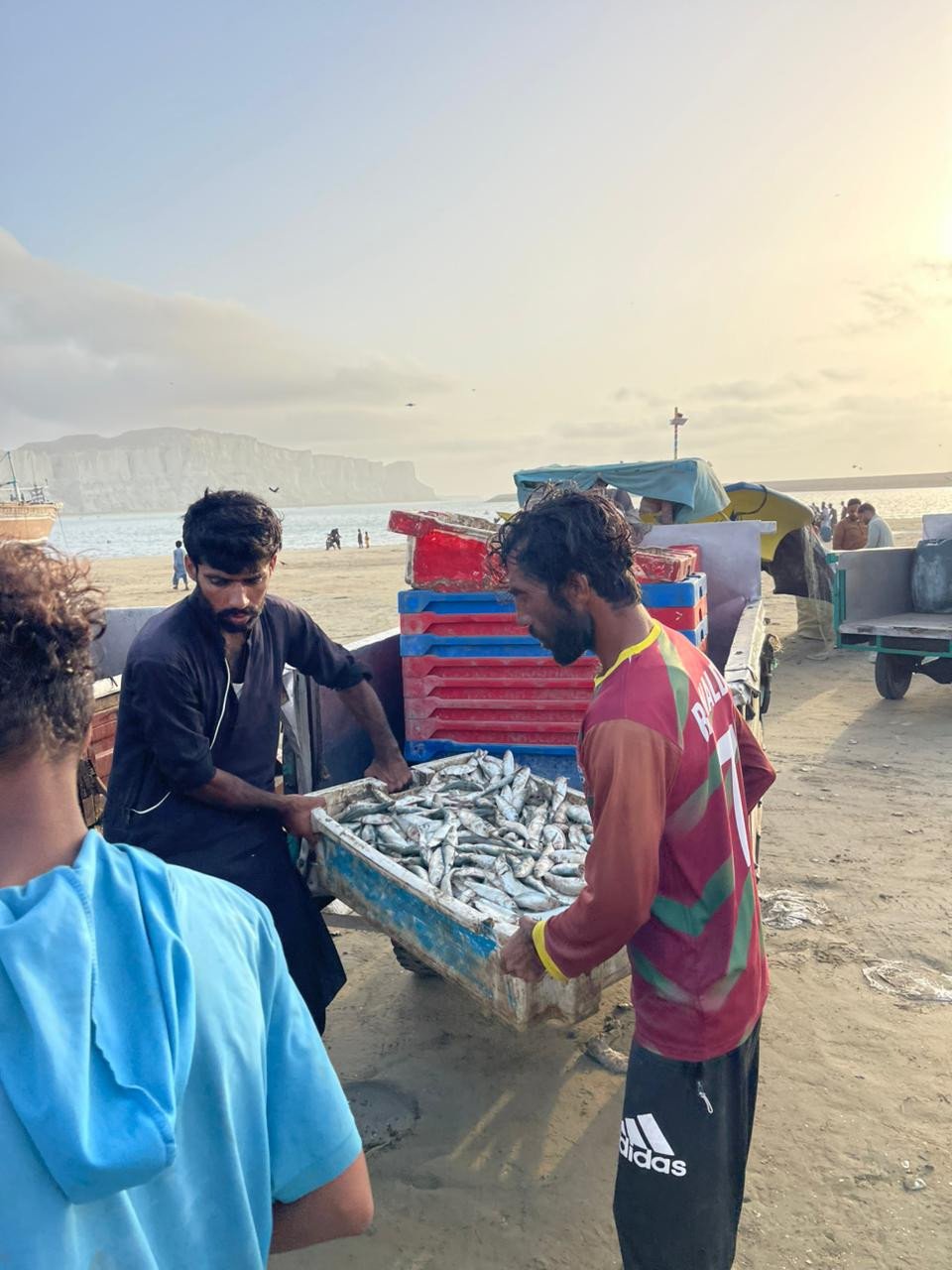
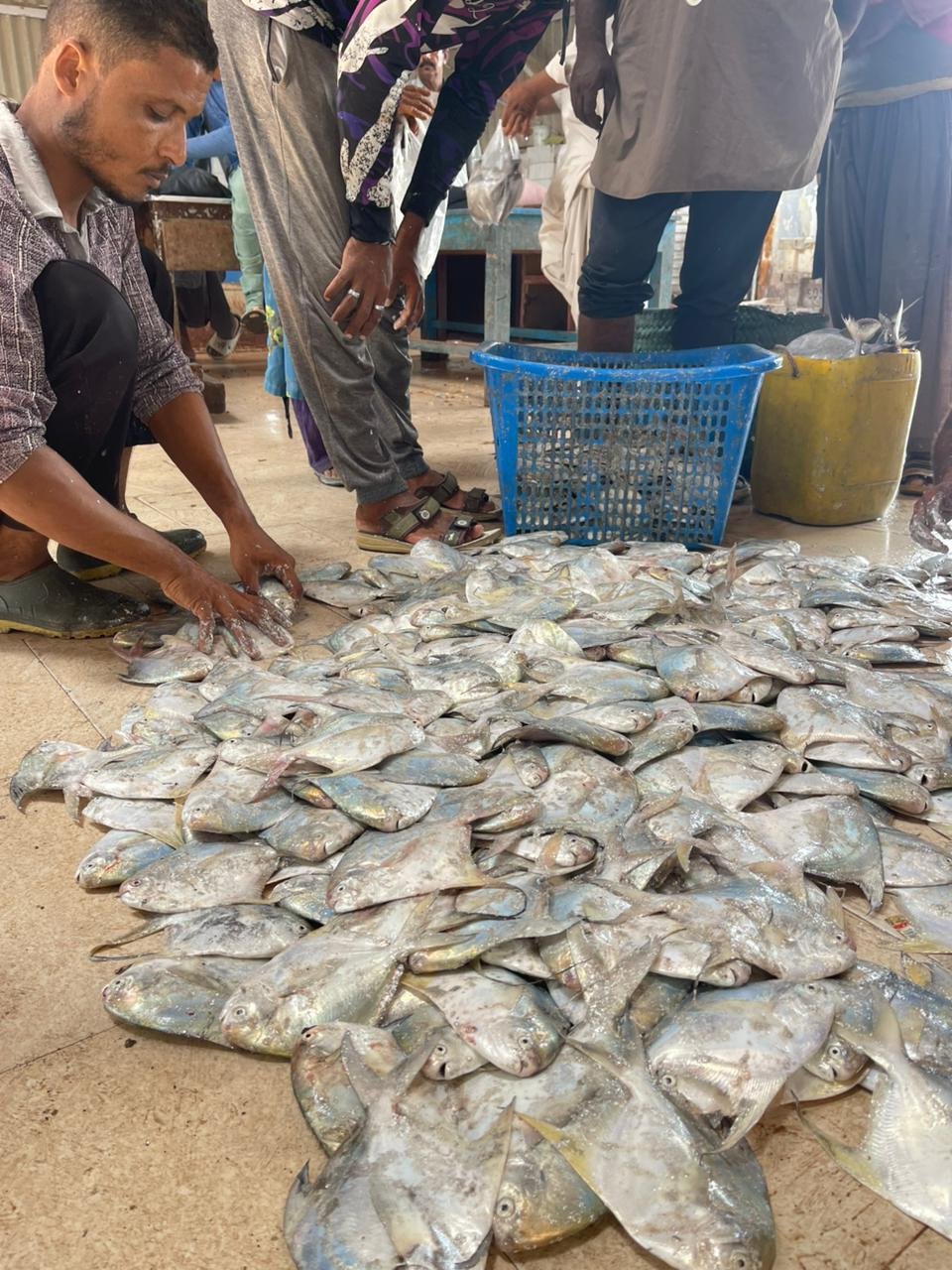
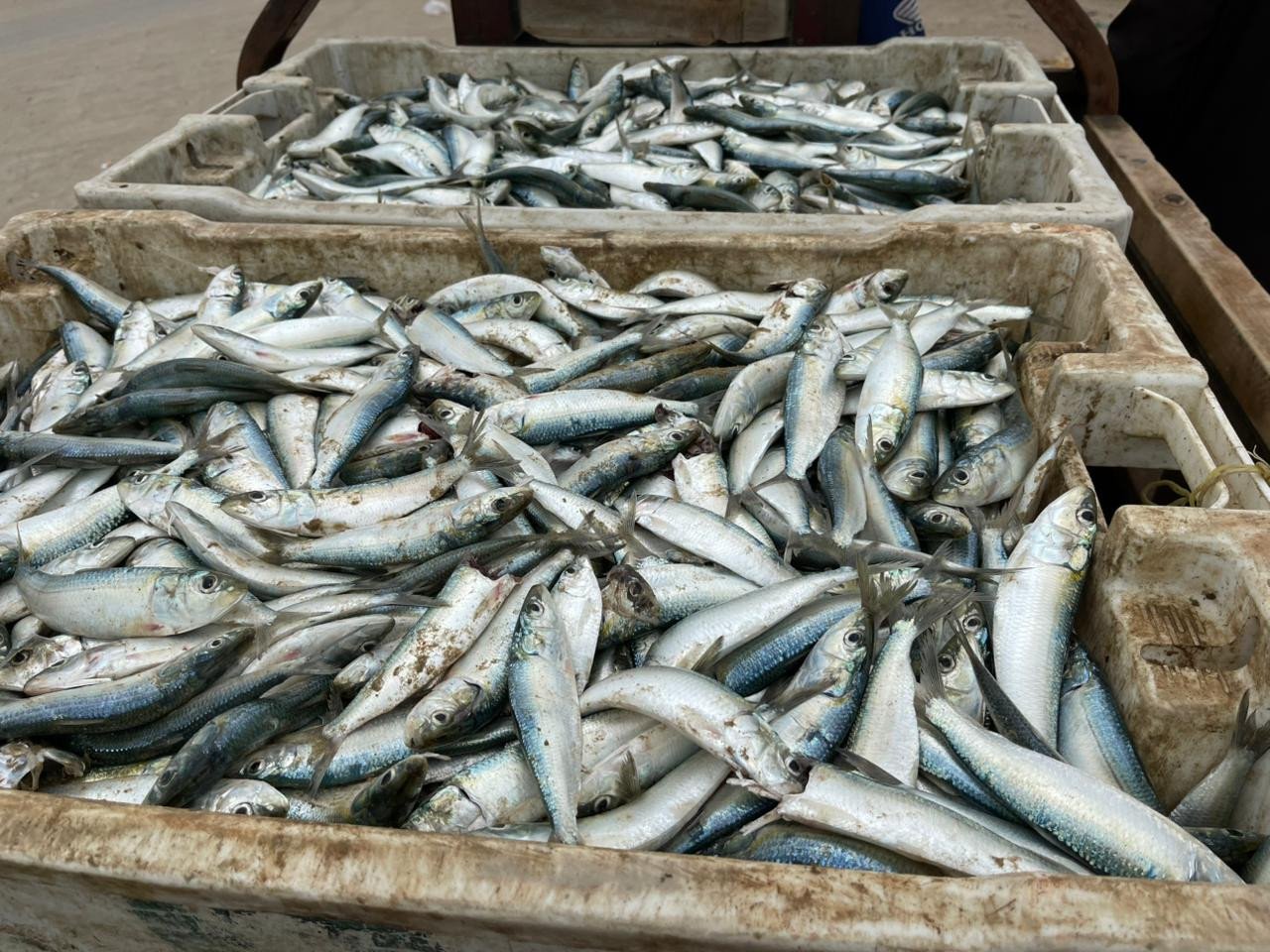
Over the past two decades, Balochistan’s marine ecosystem has undergone a dramatic transformation. From 2006 to 2015, Indian mackerel made up 90 percent of the coastal catch. Today, the fishery relies heavily on Indian oil sardine and Topshell species, which account for around 70 percent of the total catch. Indian mackerel now comprises only 10 percent, with the remaining portion consisting of ribbon fish, Topshell, and limited quantities of shrimp and reef species.
This shift does not reflect improved fishing strategies or changing consumer demand. Instead, it signals overfishing, ecological imbalance, and the systematic depletion of once-abundant species.
Growing fleet, shrinking stocks
More than 16,000 registered fishing boats operate along Balochistan’s 770 km coastline, with 80 percent being small-scale artisanal vessels. Historically, these boats practiced sustainable fishing using hook-and-line, hand lines, and selective gillnets. But over the last 20 years, mechanisation and indiscriminate harvesting have increased largely due to the introduction of wire nets, intensified trawling by Sindh-based boats, and fishing during breeding months.
These destructive techniques, combined with illegal fishing by more than 2,000 non-local boats from Sindh Province, are pushing Balochistan’s fisheries toward collapse.
“Local fisherfolk have increasingly turned to improvised illegal trawling, light fishing, and circling techniques using small speedboats,” says Khudadad Wajo, President of the Gwadar Fisherfolk Cooperative Organisation. “These practices are not only unlawful but also contribute heavily to juvenile fishing, accelerating the depletion of already stressed fish stocks.”
Overfishing of key species
The overreliance on Indian oil sardine locally known as Leejar or Luar (Sardinella longiceps) and now the shift towards Beecham (Ilisha megaloptera) is alarming. Oil sardine is a biologically productive species capable of spawning three times a year (February, March, June, July, and October November). Yet year-round exploitation, especially during peak breeding months, is placing even this resilient species at risk.
“The move away from traditional hand-line fishing targeting ribbon fish, Indian mackerel, Topshell, and oil sardine toward primarily catching sardine is not a natural progression,” Moazzam Khan, Technical Advisor at WWF-Pakistan. “It reflects overexploitation and the decline of sustainable fishing practices. This shift is a critical warning for our marine ecosystem and underscores the urgent need for interventions to restore ecological balance.”
Fisherfolk across the Makran coast emphasise the need for an immediate seasonal fishing ban during June and July, when sardines are at their reproductive peak.
“Without a seasonal break, even sardine fisheries will collapse,” warns Basit Baloch, President of the Balochistan Fish Processing Union. “When that happens, the 55 processing factories along our coast will be forced to shut down.”
Human cost of ecological mismanagement
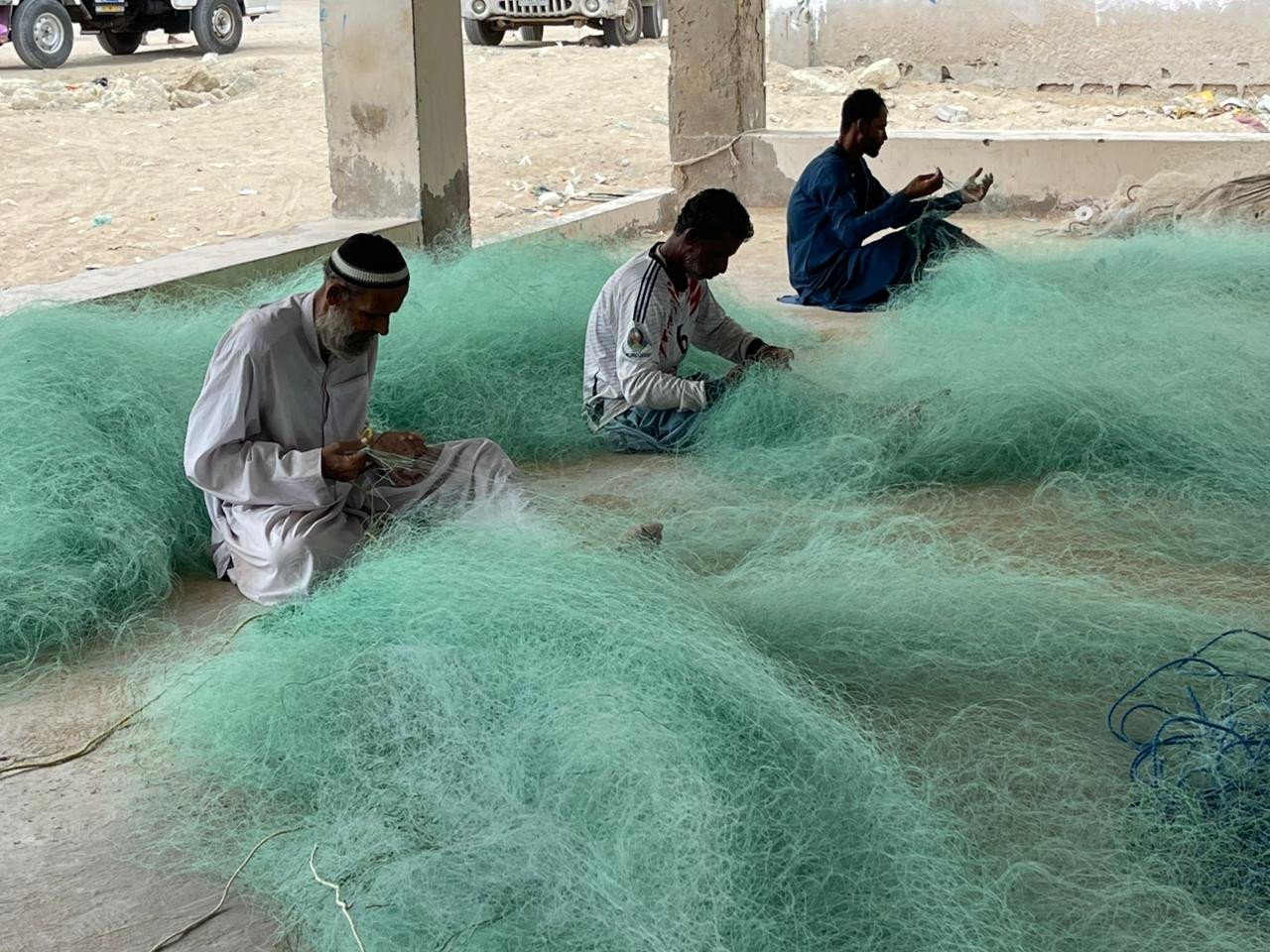
“We have more boats now than ever before, but the catch is shrinking,” Younas Anwar, a fisherfolk representative, highlights the gravity of the situation. “We are catching immature fish just to survive. This is not fishing, it’s extinction in slow motion.”
Add to this, findings from the FAO’s Fisheries Resource Appraisal in Pakistan (FRAP) report paint a troubling picture. The report describes Pakistan’s marine fisheries as “very productive, but over exploited and not scientifically managed.” It warns that without reducing fishing effort, long term sustainability is impossible, estimating that cutting fishing effort by 50 percent could double the economic value of the resource.
Illegal trawling
Historically, Balochistan’s fishing communities maintained healthy stocks by using selective, low impact techniques around rocky and offshore habitats. But when wire nets and industrial trawling intensified primarily through non local boats, essential benthic habitats and coral beds were destroyed. Local fishers were forced to shift to new grounds, only to exhaust them in turn.
Despite strong fisheries laws, enforcement remains weak. Political interference, the presence of more than 4,000 unlicensed boats, and unchecked destructive gear has led to resource conflicts and ecological decline.
Improvements in the post-harvest chain
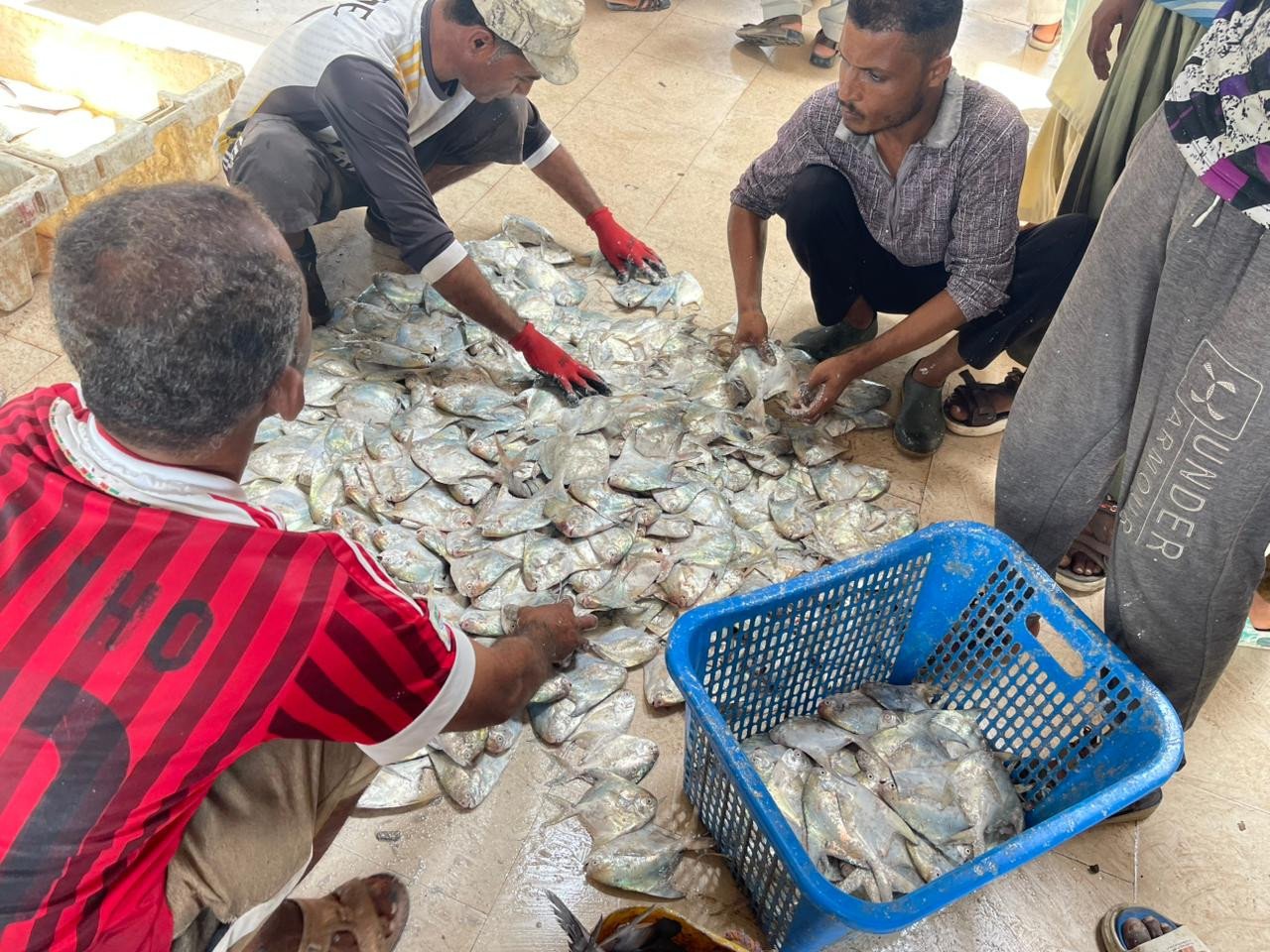
There has been progress in reducing post-harvest losses through initiatives by the Balochistan Fisheries Department, WWF, IUCN, and international NGOs. Training on hygienic handling, the introduction of plastic crates, insulated ice boxes, and chilled transport has reduced spoilage significantly.
Shareef Baloch, a fisherman in Pasni observed, “Earlier, we lost a big portion of our catch before it reached the market. Now with crates and ice, even ribbon fish fetch better rates. These small changes are saving our livelihoods.”
Local processing and women’s empowerment
Despite progress, Balochistan still lacks processing and export facilities. Most fish is transported to Karachi, where companies like M&N Seafood Ltd convert it into value-added products.
“We need women-led, community-based processing units in Balochistan,” argues Sammi Gull, a woman fisherfolk representative, argues. “We have the raw material and the skills, just not the access to infrastructure.”
Successful models like M&N Seafood’s 700g export-ready frozen units can be replicated in Pasni, Ormara, and Jiwani through community cooperatives.
To save Balochistan’s fisheries and ensure national food security, the following steps are critical, Enforce a mandatory June-July seasonal ban during sardine spawning, ban destructive trawling and wire nets, strengthen surveillance against illegal boats, invest in cold chain and local processing infrastructure, ensure Balochistan’s catch is recognised in national statistics, establish women-led and community-based cooperatives, and create fair revenue-sharing mechanisms at federal and provincial levels.
Pakistan’s marine fisheries future is inseparable from the fate of Balochistan’s coast. Without immediate intervention, the collapse of the sardine fishery will trigger economic losses, biodiversity decline, and threats to food security. But with timely reforms, Balochistan can become a national model for sustainable fisheries management, value-added production, and empowered coastal communities.
Dad Karim Kumari, a 70-year-old indigenous fisherman from the old fishermen settlements area of Gwadar Kumari Ward, brings to light the struggles and resilience of the local fishing communities in Balochistan. He started fishing when he was around 12 years old and devoted his entire life to the sea. He is a father of nine children, four sons and five daughters, and his two sons are now trained skippers. Beyond traditional fishing skills, they have also been trained in the rescue and release of marine animals such as dolphins, turtles, and whales, showing their commitment to marine conservation.
In his youth, Karim’s nets were abundant, filled with Spanish mackerel, pomfret, rays, sharks, lobsters, and various other fish. Today, despite still going to sea to fish lobsters and sole, he finds that the catches have drastically declined due to overexploitation and the influx of outsiders. The fisheries resources, which were once mostly processed by drying and salting, have now shifted towards frozen exports. While fish exports from the region have increased, the lives of local fishermen like Karim remain harsh and impoverished.
The marine resources are being heavily exploited by poachers, forcing local fisherfolk into adopting illegal fishing methods — a dangerous trend that is sending alarming signals for the marine ecosystem and their own livelihoods. Still, the community depends almost entirely on natural resources, with no alternative industries like aquaculture or mariculture developed in the marine sector. This is in stark contrast to neighbouring countries such as Iran, India, Oman, and Bangladesh, where successful aquaculture models have helped reduce pressure on wild fish stocks. These models could be adapted for Balochistan to support sustainable fisheries and improve local incomes.
Additionally, most major landing sites along the coast lack basic infrastructure such as proper landing facilities and cold chain storage. This deficiency restricts fishermen's ability to preserve and market their catch effectively, limiting their economic potential. Despite their critical role, local fishermen like Karim are not recognised as labourers under current laws. This exclusion denies the local fisherman essential labour rights, social protection, low-cast houring scheme, and old-age benefits. Karim lives humbly in a small one-room house, unable to afford better housing for his family, even though his sons are grown and skilled.
On this World Fisheries Day in November, Karim’s story is a powerful reminder of the urgent need for comprehensive fisheries policies, social welfare programmes, and sustainable development initiatives to secure the future of indigenous fisherfolk in Balochistan, people who have dedicated their lives to the sea yet remain unsupported and vulnerable.
All facts and information are the sole responsibility of the writer
Shabina Faraz is a freelance journalist and contributor
Abdul Rahim is an environmental journalist and conservationist specialising in biodiversity and coastal ecosystem research, with extensive experience in field environment management and scientific studies.