
Recently, a newly released Balochi song titled “Mallo Bia” has received much applause from listeners of Balochi music. The song captures the essence of timeless love and devotion, blending poetic imagery with soulful melodies that celebrate beauty and passion. It is sung by an artist who, despite possessing the soul of a full-time musician, currently serves in the Civil Services of Pakistan as an Executive Officer in the Military Lands and Cantonments Group (MLCG) at Pano Akil Cantonment. Meet Naeem Dilpul, the mesmerising voice behind "Mallo Bia".
Born and raised in Turbat, Naeem gives a modern touch to traditional Balochi music, while keeping his roots very close to his heart. He speaks of his hometown with deep nostalgia. “The past seems to be the best time in hindsight,” he says, “but for me it really was.” Growing up in the peaceful and culturally vibrant 1990s, his childhood was filled with stories, songs, and spontaneous melodies. Music was always around him — woven into rituals, gatherings, and the rhythm of daily life. Encouraged by friends and elders who admired his voice, Naeem began to see music as more than just a pastime. “I used to hum melodies,” he recalls, “and people would ask whose song that was. I’d tell them it was just something I made up.” His earliest musical inspirations were Arif Baloch, Noor Khan Bezanjo, and Noor Muhammad Nooral — artists whose shared lineage of sound and emotion he deeply admired.
Naeem’s claim to fame came with “Arz-e-Kanan” (The Plea), a song that remains closest to his heart. “Arz-e-Kanan will always be my most treasured musical possession,” he says with quiet pride. “It brought love, respect, and confidence into my life. It embodies my struggle, loneliness, and yearning — emotions that found their purest expression through music and somehow resonated deeply with other people.”
What began as an act of self-expression soon became a cultural moment. “It’s unbelievable that my first song received so much attention, recognition, and critical acclaim at once — a pure blessing,” he reflects. When he recorded Arz-e-Kanan, Naeem’s only dream was to sing a single song that truly represented him. “I wasn’t nervous or anxious about how it would be received,” he recalls, “but after its unimaginable success, everything changed. Suddenly, there was pressure to maintain that momentum — and I’ll admit, I’m not very good at that because I’ve always followed my heart.”
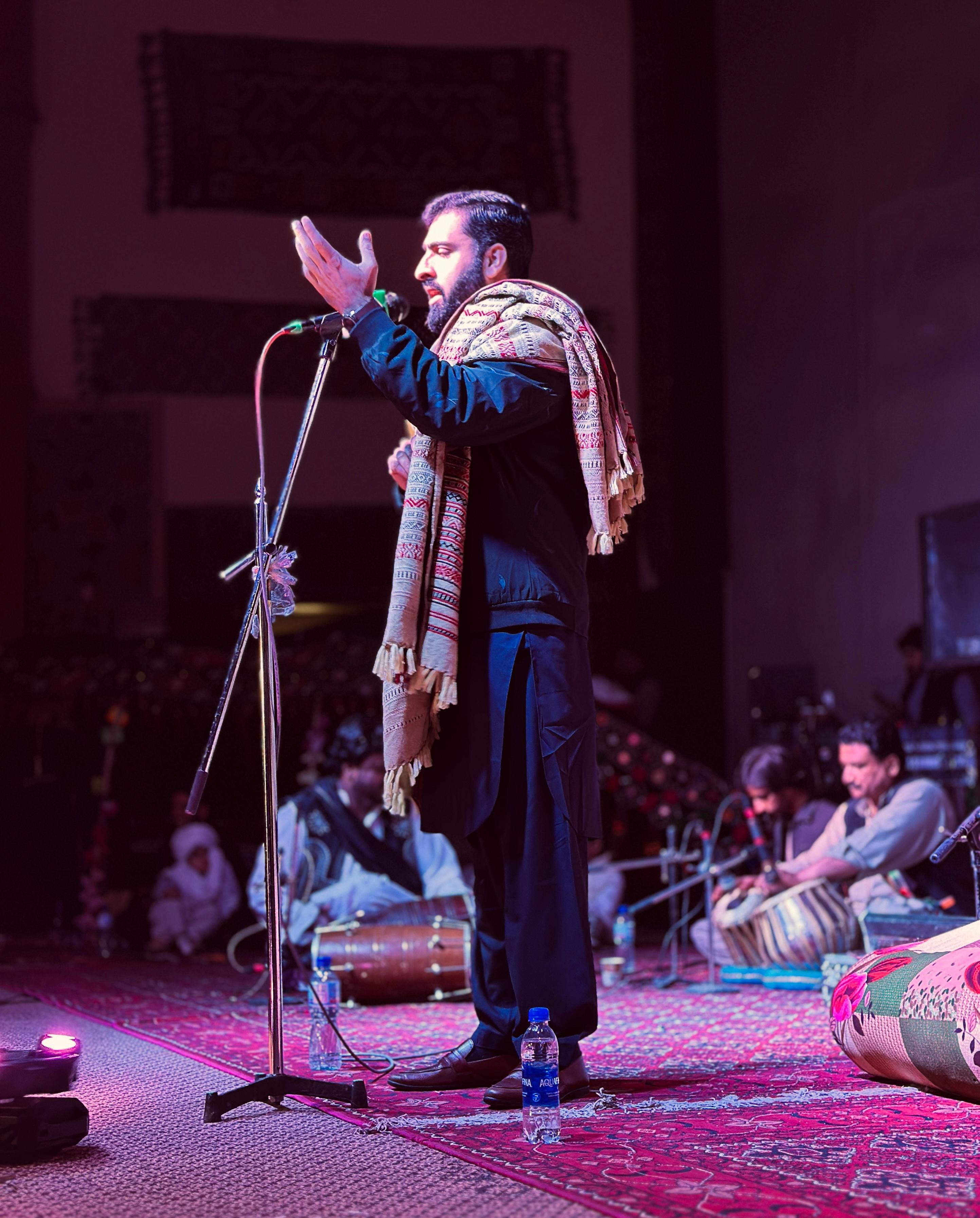
Since then, Naeem has been selective and deliberate in his creative choices, focusing on projects that showcase his versatility as a composer. “I’ve consciously chosen my work after Arz-e-Kanan to prove my range,” he explains. “Mallo Bia is a classic example of that process. I actually composed it back in 2017 but wanted it to grow and evolve with me, so I could do full justice to it.” With its recent release and warm reception, Naeem says, “I think it has paid off well.”
Reflecting on his creative journey, Naeem says he has always tried to incorporate diverse themes into his work. “There are many shades to human existence,” he explains, “and art should never be confined to a single theme. Self-exploration must never stop.” Each of his compositions, he believes, captures a different facet of life and emotion.
“In Arz-e-Kanan, nostalgia takes the lead; in Liqa, love appears in its purest form; Tai Dara reflects social consciousness and longing; Bindar speaks of identity and love for the land; Dost Mani Pedaken blends love, nostalgia, and social reflection; Alwat carries the warmth of love, folk essence, and the Balochi classical soul; while Bani Adam mirrors social awareness.”
“However,” Naeem continues, “I firmly believe that Balochi music possesses immense power — its true potential lies in being reimagined through modern musical expressions delicately blended with zaheeronk. This philosophy drives his artistic pursuit — to experiment and create projects that not only resonate with his own sensibilities but also with the people who listen.
“I’m not sure if I’ve matured as an artist or not,” he admits with humility, “but I’ve always tried to do justice to whatever I create -- whether it’s singing, composing, or visual storytelling — by infusing it with the Balochi soul.” For Naeem, versatility is both a challenge and a commitment, one that keeps his creative spirit alive. “It’s an ongoing journey,” he says, “a process of continuous learning and rediscovery.”
He adds that within his professional circle, creative pursuits are not only accepted but encouraged. “We’re often advised to engage in extracurricular activities to manage job-related stress. Artistic expression, in fact, is admired — and even legally protected.”
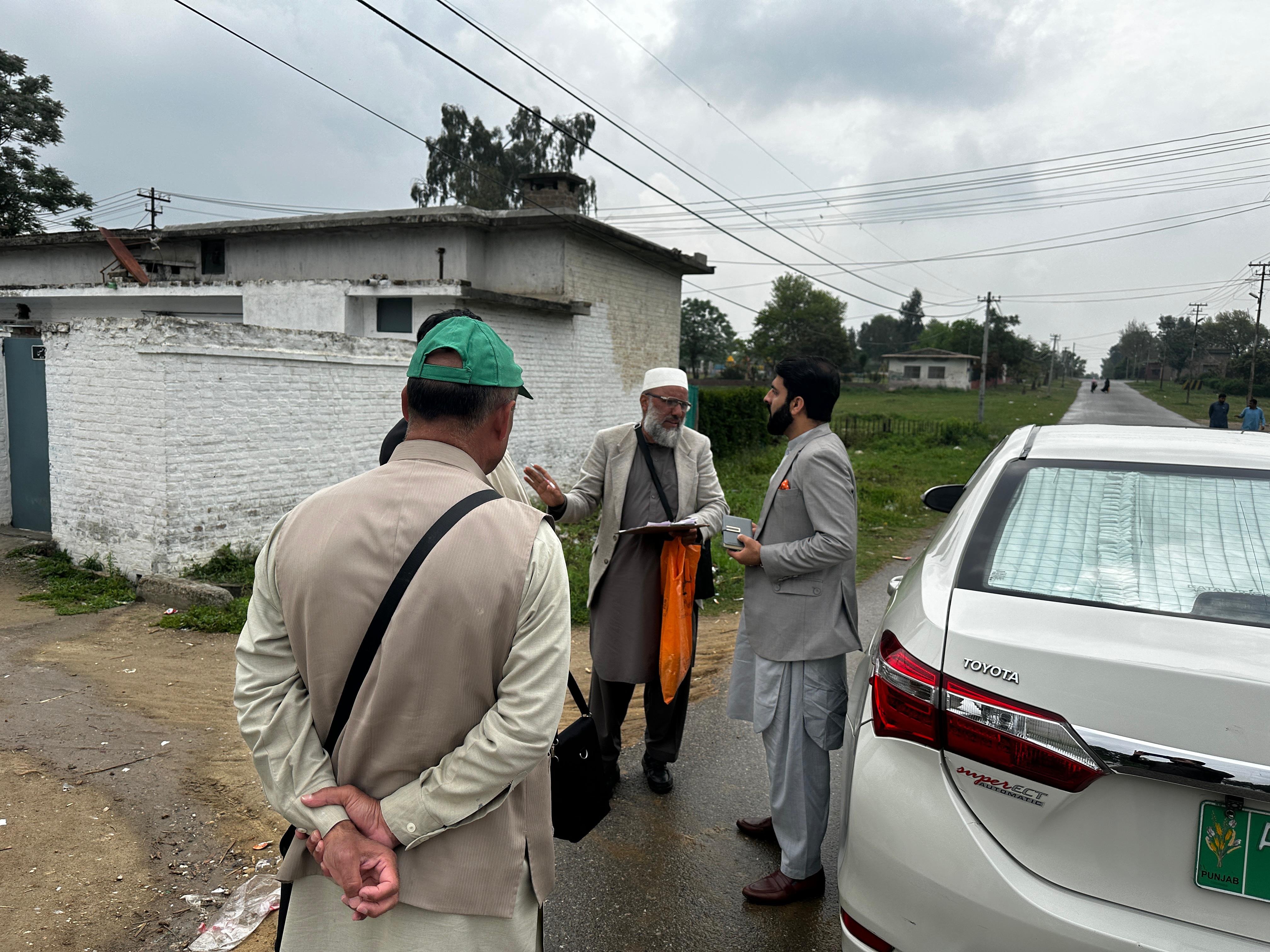
Still, balancing passion and profession hasn’t been easy. “It’s very difficult,” he admits. “I’ve had to make compromises and sacrifices along the way. I love performing live for my people — that’s the ultimate joy for any artist — but my professional responsibilities rarely allow it. It’s a big sacrifice, and I feel that deeply.”
However, Naeem finds beauty in both worlds. His role in the Civil Services, particularly within the Military Lands and Cantonments Group, brings him in touch with people and places that continuously inspire new creative expressions. “Civil service instills a sense of responsibility and discipline,” he says, “while music allows me to connect with people on a deeply human level.”
He began singing long before joining the Civil Services, and his passion for music stems from the encouragement he receives from both his peers and his audience. “Their support gives me the confidence to share my work publicly,” he says.
For Naeem, art and governance are not conflicting worlds — they complement each other. “I strongly believe there should be an element of art in every human being, especially in civil servants,” he explains. “Art nurtures compassion, sensitivity, and empathy — all essential for connecting with people. And governance, after all, is about improving lives. How can you truly serve people if you can’t connect with them?”
Yet, beneath his calm composure lies a quiet longing. “I couldn’t pursue music full-time because I don’t see a stable future in it,” he confides. “My heart aches knowing I can’t immerse myself in it completely. Perhaps,” he pauses, “I’m just too scared to give it a real chance.”
To keep his creative spirit alive, Naeem dedicates his weekends entirely to music. “That’s my sacred time,” he says. “I work on my projects then, which is why they often take longer to complete. But I prefer giving each composition the time and emotional depth it deserves.”
As our conversation draws to a close, Naeem’s words turn reflective and hopeful. “Nothing should stop you from pursuing your passion,” he says. "Everyone I meet appreciates my work and values it as a meaningful representation of the Baloch people, their culture, and their land.”
He encourages the young to follow their dreams and have a sense of responsibility. “The youth today are incredibly smart, confident, and aware — they know far better than I did at their age. My only advice is to make a difference in your life and in the lives of those around you, in whatever way you can.”
In his journey, Naeem Dilpul stands as a rare bridge between art and duty — a civil servant with the soul of a musician. His melodies echo with love for his land, his people, and the timeless spirit of Baloch culture — a reminder that passion, no matter how quietly pursued, always finds its way into the world.